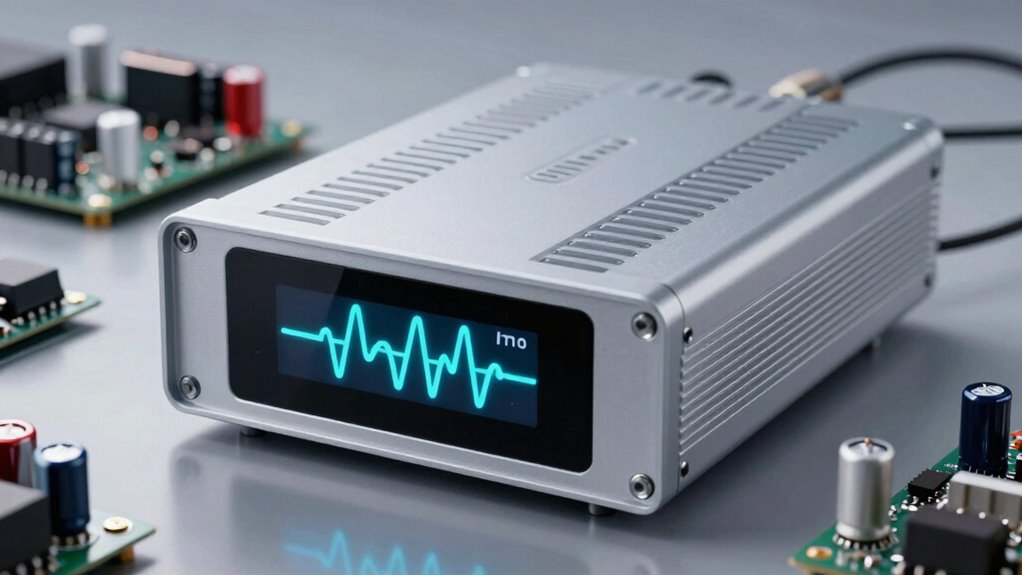

A pure sine wave means smoother, cleaner power for your sensitive electronics, ensuring they perform at their best. It minimizes distortion that can cause overheating or malfunction in devices, especially those with motors or precise components. Using pure sine wave power protects your investments and reduces energy waste, ultimately lowering costs. This quality of power keeps your equipment running reliably, preventing unexpected failures. Stick around to discover more about how to safeguard your electronics effectively.

Get backup power and energy gear delivered free with Prime
- Fast, free delivery on millions of items
- Prime Video, Amazon Music and more included
- Member-only deals all year
Key Takeaways
- A pure sine wave delivers a smooth, continuous signal, essential for optimal performance in sensitive electronics.
- It minimizes waveform distortion, reducing the risk of overheating and malfunction in devices with motors or delicate components.
- High-end audio systems and medical equipment rely on pure sine waves for precise signal integrity and operational reliability.
- Compatibility issues arise with modified sine waves, potentially causing devices to malfunction or sustain long-term damage.
- Understanding waveform quality helps protect electronic investments and prevents costly repairs due to irregular power signals.
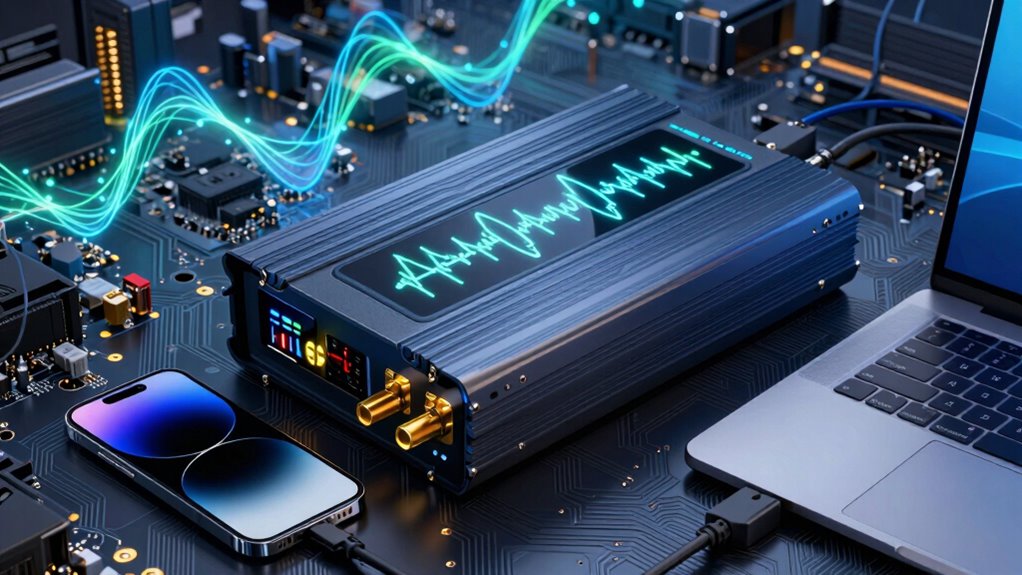
When it comes to powering your electronics, understanding the term “pure sine wave” is fundamental. A pure sine wave represents the ideal waveform for electrical power, providing a smooth, continuous signal that supports peak device performance. This is particularly important for sensitive electronics, which rely on high power quality. When you use a pure sine wave inverter, you guarantee that your devices receive the cleanest power possible, minimizing issues that can arise from waveform distortion.
Waveform distortion can lead to problems like overheating or malfunctioning, especially in devices with motors or sensitive circuit components. For instance, if you plug in a high-end audio system or medical equipment that requires precise signal integrity, a pure sine wave becomes crucial. These devices often can’t tolerate the jagged edges of modified sine waves or square waves, which can cause them to misbehave or even get damaged.
Electrical efficiency is another significant advantage of pure sine waves. Since these waves maintain a consistent frequency and amplitude, they allow for better energy conversion when powering devices. This means less wasted energy and lower electricity costs for you. Additionally, pure sine wave inverters can adapt to different load characteristics, making them suitable for a wider range of applications. Whether you’re powering a refrigerator or a laptop, you’ll find that pure sine waves provide the adaptability needed for various electronic demands.
Device compatibility is also a key factor. Many modern devices, especially those with advanced circuitry, are designed to work best with pure sine waves. When you use equipment that outputs only modified sine waves, you may run into problems with compatibility. Some devices might not function at all, while others could incur long-term damage. By opting for pure sine wave power, you safeguard your investments and guarantee that you’re getting the best performance out of your electronics. Furthermore, understanding waveform quality can help you make more informed decisions when choosing power sources for your sensitive devices. Improving your knowledge about waveform accuracy can also help prevent costly repairs or replacements down the line. Recognizing the importance of power waveform quality can lead to better protection for your electronic investments. Additionally, having a clear understanding of waveform consistency ensures that your devices operate reliably over time, avoiding unexpected failures caused by irregular power signals.
As an affiliate, we earn on qualifying purchases.
Frequently Asked Questions
How Does Pure Sine Wave Differ From Modified Sine Wave?
Pure sine wave differs from modified sine wave primarily in waveform characteristics. A pure sine wave delivers a smooth, consistent voltage, making it more efficient for sensitive electronics. In contrast, a modified sine wave has a stepped pattern that can cause electrical inefficiencies and potential damage to certain devices. If you’re powering delicate equipment, you’ll find that pure sine wave generally offers better performance and reliability compared to its modified counterpart.
Can I Use Pure Sine Wave for Solar Power Systems?
Think of pure sine wave as the smooth highway for your solar power system. Yes, you can use it! In fact, it boosts solar efficiency by providing a clean, stable power output. Just verify your inverter’s compatible with pure sine wave; otherwise, you might hit a few bumps along the way. With the right setup, you’ll maximize the performance of your solar system and keep your sensitive electronics happy.
What Are the Benefits of Pure Sine Wave Generators?
Pure sine wave generators offer several benefits. You’ll notice improved generator efficiency, as they provide a steady power output without distortion. This waveform quality guarantees that your sensitive electronics run smoothly, reducing the risk of damage or malfunction. Plus, these generators tend to operate more quietly and with less vibration, enhancing your overall experience. Whether you’re powering home appliances or outdoor equipment, a pure sine wave generator is a reliable choice.
Will Pure Sine Wave Affect Battery Life of Devices?
Pure sine wave can actually enhance your device’s battery life. By providing a smooth and stable power supply, it improves battery efficiency and reduces wear on components, leading to better device longevity. If you’re using sensitive electronics, switching to a pure sine wave generator might be a smart move. So, don’t underestimate the impact of clean power—it could mean longer-lasting devices and fewer charging cycles in the long run!
Are All Sensitive Electronics Compatible With Pure Sine Wave?
Not all sensitive electronics are compatible with pure sine wave outputs. While many devices perform better with this type of power, some might not fully utilize its benefits. You should check your device’s specifications to confirm power compatibility. Using pure sine wave can enhance device performance, but if a device isn’t designed for it, you could face issues. Always verify compatibility to protect your equipment and guarantee peak function.
Conclusion
So, you thought all waveforms were created equal? Think again! When it comes to your sensitive electronics, pure sine waves are the gold standard—like a spa day for your gadgets. While those jagged square waves might look edgy, they’re more likely to fry your precious devices faster than you can say “power surge.” So, embrace the elegance of that smooth, undisturbed sine wave—because your electronics deserve a little luxury, don’t they? After all, who doesn’t love a quiet hum of perfection?
Fall Picks
fall essentials
As an affiliate, we earn on qualifying purchases.