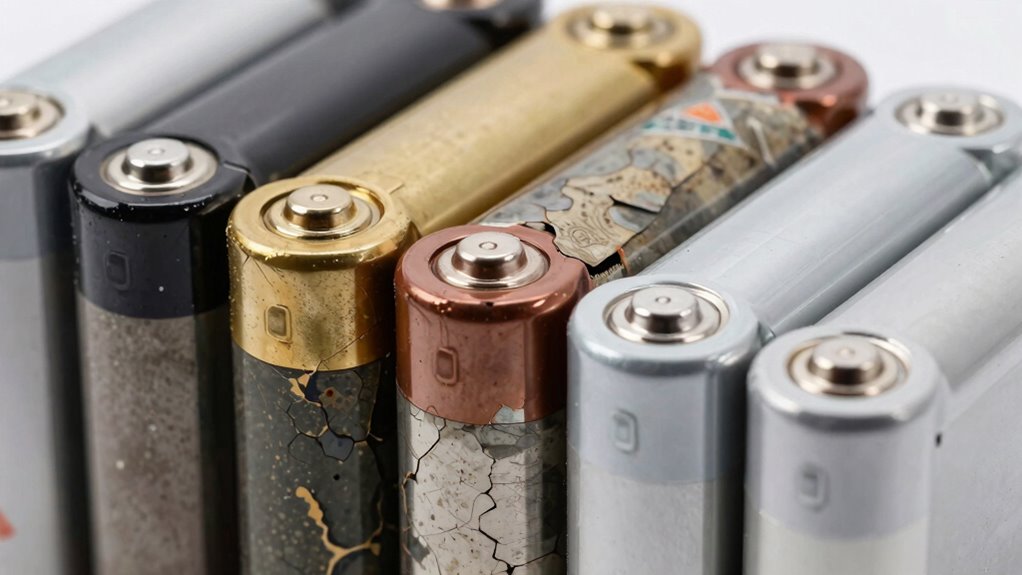

Battery packs age differently from single cells because their performance depends on how well the cells work together, including balancing charge and managing heat. If some cells heat more or degrade faster, the entire pack’s lifespan shortens. Proper thermal management, consistent monitoring, and maintaining balance help extend pack life. Harsh usage patterns accelerate wear. If you’re curious about how these factors impact longevity and what you can do to protect your battery, keep exploring further.

Get backup power and energy gear delivered free with Prime
- Fast, free delivery on millions of items
- Prime Video, Amazon Music and more included
- Member-only deals all year
Key Takeaways
- Battery packs age through interactions among cells, leading to uneven degradation not seen in single cells.
- Thermal management is more complex in packs, affecting overall aging due to heat distribution among cells.
- Cell balancing and monitoring are crucial in packs to prevent premature aging of individual cells and the entire pack.
- Usage patterns impact packs more, as combined effects of fast charging and deep discharges accelerate aging.
- Maintenance practices like thermal regulation and calibration are vital for packs to extend lifespan compared to single cells.
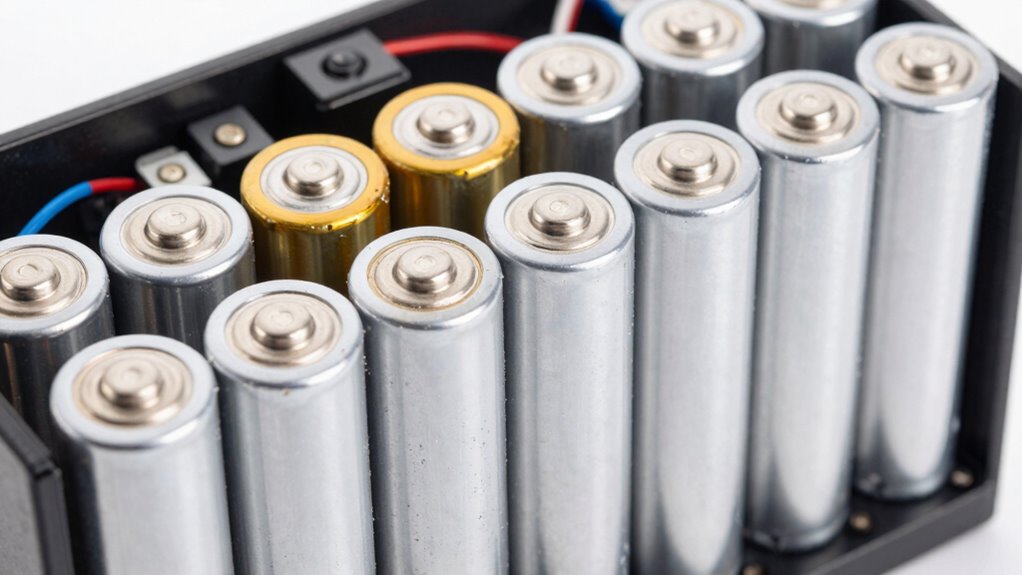
Have you ever wondered why some battery packs last longer than others? It’s a good question, especially since battery longevity can substantially impact your device’s performance and lifespan. The key lies in understanding how battery packs age differently from single cells. When you use a battery pack, you’re not just dealing with a single cell but a collection of them assembled to meet your power needs. This assembly introduces complexities that influence aging, especially through factors like thermal management and usage patterns. The overall health of a pack is also influenced by how well the cells are maintained and monitored during operation. Unlike a single cell, where aging is relatively straightforward, a pack’s overall health depends on how well these cells work together and how evenly they age.
Battery packs age differently from single cells, affected by thermal management and usage patterns.
Thermal management plays a critical role here. When you operate a device, heat is generated inside the battery pack. If it’s not adequately managed, some cells may heat up more than others, leading to uneven aging. Over time, excessive heat can accelerate chemical degradation within cells, reducing capacity and increasing internal resistance. If your battery pack lacks proper cooling systems or if you frequently push it to its limits, you might notice it losing charge more quickly or struggling to hold a full charge. Good thermal management ensures that all cells stay within ideal temperature ranges, helping prolong the pack’s lifespan and maintain consistent performance. Proper monitoring of temperature levels can also help detect early signs of uneven aging and prevent potential failures. Regular cell balancing is vital for maintaining overall health and preventing premature aging of the entire pack.
Additionally, the quality of individual cells within the pack can influence how the entire system ages, making cell balancing essential for longevity. Your usage patterns also influence how a battery pack ages. For example, frequent fast charging, deep discharges, or consistently running the battery close to its maximum capacity can hasten wear. When you regularly drain the battery to very low levels or charge it to 100% often, you stress the cells more than moderate, partial charges. Over time, this stress causes capacity fade and increases internal resistance. How you use your device—whether you keep it active all day, let it sit unused for long periods, or expose it to extreme temperatures—can greatly impact aging. A battery pack subjected to harsh conditions or erratic usage will age quicker than one used more gently and kept in stable environments. Proper maintenance practices, like regular calibration and avoiding extreme charge levels, can significantly delay the aging process and preserve overall capacity. Being aware of thermal management and usage habits can help you better protect your investment. By understanding these factors, you can enhance your usage habits and maintain better thermal management, ultimately extending the life of your battery pack and getting the most out of your devices.
battery pack thermal management system
As an affiliate, we earn on qualifying purchases.
As an affiliate, we earn on qualifying purchases.
Frequently Asked Questions
How Do Environmental Factors Affect Battery Pack Aging?
Environmental factors profoundly impact your battery pack’s aging process. Environmental degradation, such as exposure to moisture or dust, accelerates wear and reduces lifespan. Temperature effects play an essential role too; high temperatures cause faster chemical degradation, while cold temperatures can temporarily reduce capacity. To extend your battery pack’s longevity, avoid extreme environmental conditions and store it in a cool, dry place. Proper care helps mitigate environmental degradation and temperature-related aging.
Can Individual Cell Replacement Extend Overall Battery Pack Lifespan?
Yes, replacing individual cells can extend your battery pack’s lifespan if done correctly. You should guarantee proper cell balancing so all cells charge evenly, preventing strain on the new cell. Additionally, maintaining effective thermal management keeps the pack cool and reduces aging. Regularly monitoring the health of each cell allows you to replace only the degraded ones, optimizing performance and delaying the need for a full pack replacement.
What Role Does Battery Management Systems Play in Aging?
A battery management system (BMS) keeps aging at bay by overseeing cell balancing and thermal management. Think of it as the watchful eye preventing a small spark from turning into a wildfire. By evenly distributing charge through cell balancing and controlling temperature, the BMS diminishes stress on individual cells, slowing degradation. This proactive approach helps extend your battery pack’s lifespan and ensures safer, more reliable performance over time.
How Does Charging Method Influence Aging in Packs Versus Single Cells?
Your charging method critically influences aging in packs versus single cells. Proper charging protocols help prevent overcharging or deep discharging, which accelerates aging. In packs, cell balancing ensures each cell charges evenly, reducing stress and extending lifespan. Without balanced charging, weaker cells degrade faster, causing uneven aging. By following ideal charging protocols and maintaining cell balancing, you can slow down the aging process of both single cells and packs, ensuring better performance over time.
Are There Differences in Aging Between Lithium-Ion and Other Battery Chemistries?
Think of your battery as a garden: lithium-ion is like a delicate flower, needing careful care. It boasts high chemical stability but is sensitive to temperature effects, which speed up aging. Other chemistries, like lead-acid, are sturdier but less efficient. You notice lithium-ion’s aging faster in extreme heat, while other types hold up better but degrade more gradually. Proper temperature management helps extend any battery’s lifespan.
Conclusion
Understanding how battery packs age differently from single cells helps you make smarter choices in battery management. Did you know that pack aging can be up to 30% slower than individual cell aging? This means your entire pack might last longer than expected if maintained properly. By monitoring pack health and balancing cells regularly, you can extend your battery’s lifespan and save money in the long run. Staying proactive keeps your batteries performing at their best longer.
Halloween Picks
halloween
As an affiliate, we earn on qualifying purchases.