Portable power station specs can feel misleading because manufacturers often inflate battery capacity figures, and real-life efficiency varies. When you connect multiple devices, you may find the actual performance falls short of expectations. High-demand gadgets can further reduce runtimes, leaving you disappointed in the field. Knowing your specific power needs and how devices perform in practice can help you make better choices. Stick around to uncover more insights on optimizing your portable power solution.

Get backup power and energy gear delivered free with Prime
- Fast, free delivery on millions of items
- Prime Video, Amazon Music and more included
- Member-only deals all year
Key Takeaways
- Advertised battery capacities often represent ideal conditions, not real-world usage, leading to inflated expectations.
- Inverter efficiency can vary significantly with different power draws, affecting actual performance and runtimes.
- Users commonly overlook their specific power needs, impacting satisfaction and perceived performance of the power station.
- Discrepancies between impressive specs and practical application can result in disappointment during outdoor or emergency use.
- Critical evaluation of specifications is essential to align expectations with real-life capabilities, preventing buyer’s remorse.
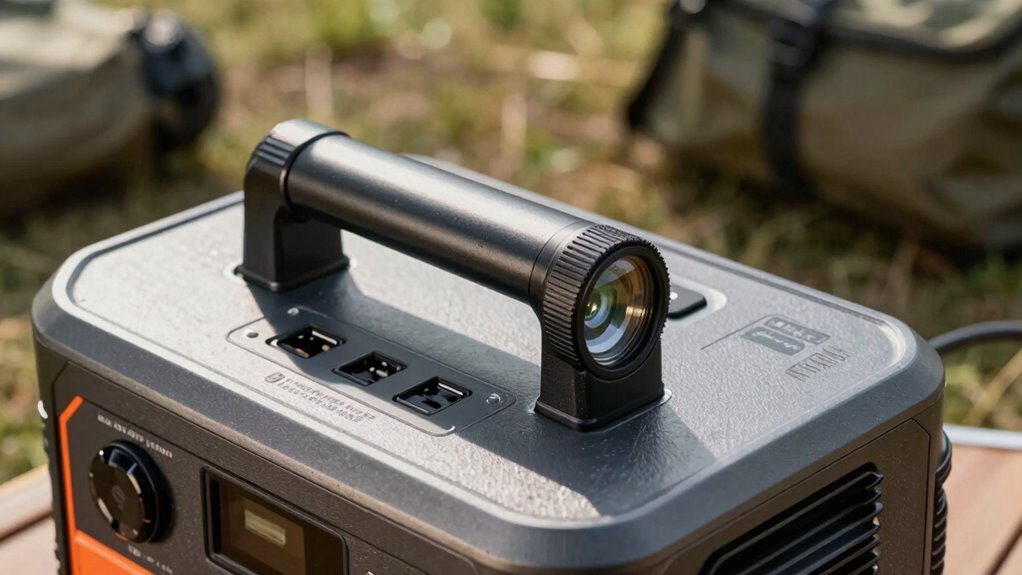
When you’re out in the great outdoors or facing a power outage at home, a portable power station can be a lifesaver. You might think of it as just another gadget, but the specs often seem more impressive than they are. When you explore the details, you’ll find that terms like battery capacity and inverter efficiency can make these devices sound like superheroes, while their real-world performance can be a bit more mundane.
Take battery capacity, for instance. Manufacturers often tout high numbers, which can make you feel like you’re carrying around a mini power plant. But those figures sometimes reflect ideal conditions that aren’t always replicated in everyday use. You might see a power station claiming a 500Wh battery capacity, which sounds great, but if you’re running multiple devices at once, you may not get the full usage you expect. It’s easy to get excited about the specs, but when you’re out camping and trying to charge your phone, laptop, and a portable fridge, the numbers can start to feel less impressive.
Inverter efficiency is another spec that can mislead you. Companies often highlight high-efficiency rates, which can give you the impression that you can power everything without a hitch. However, efficiency rates can fluctuate depending on what you’re running. If you’re using a device that draws a lot of power, you might find that the inverter struggles to keep up, leading to shorter runtimes than anticipated. You may think you’re prepared for a weekend in the wild, only to find your power station can’t handle the load. Additionally, understanding the energy efficiency of your devices can help you optimize their usage and extend your power supply. This understanding is especially crucial in outdoor or emergency scenarios where every watt counts.
It’s important to take these specs with a grain of salt. When you read about battery capacity and inverter efficiency, consider your actual needs. What devices will you be using? How long do you plan to be off the grid? Understanding these questions can help you choose the right power station. Also, being aware of power consumption can greatly impact how effectively you utilize your portable station. Moreover, researching the durability of a power station can give you insight into how well it will hold up in outdoor or emergency conditions.
Ultimately, while portable power stations come with impressive specs, real-life performance may not always match your expectations. It’s all about finding the right balance between what the numbers say and what you actually need. So, next time you’re tempted to get swept away by the specs, remember to look at how they translate into your outdoor adventures or emergency situations. Considering these factors can help you make a more informed decision and avoid disappointment.
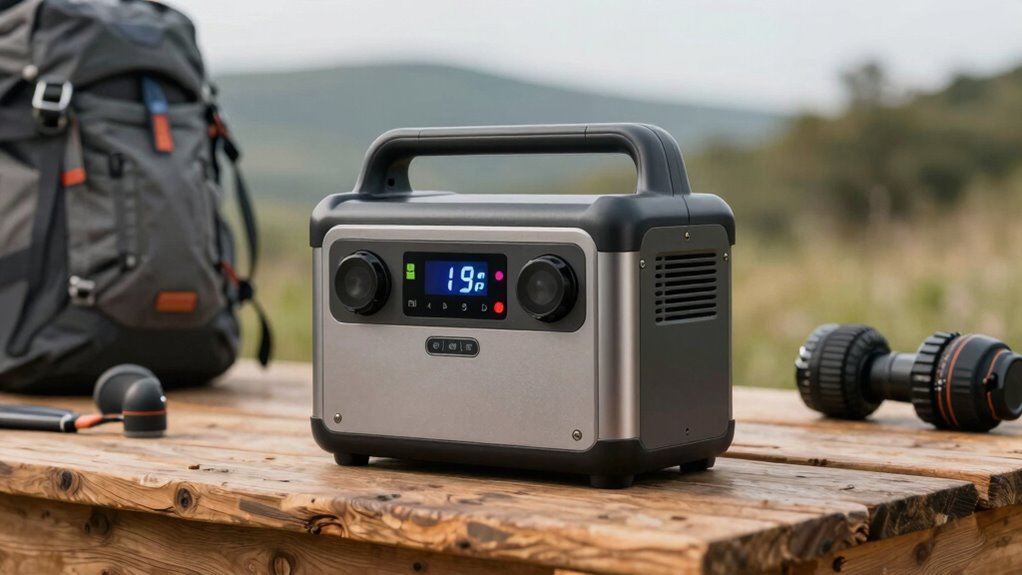
portable power station with real capacity
As an affiliate, we earn on qualifying purchases.
As an affiliate, we earn on qualifying purchases.
Frequently Asked Questions
How Long Do Portable Power Stations Typically Last?
Portable power stations typically last anywhere from 500 to 2,000 charge cycles, depending on the battery lifespan. In usage scenarios like camping or emergency backup, you’ll find that their performance varies based on how you use them. If you frequently drain them to low levels, it can shorten their lifespan. However, if you manage your usage wisely, you can maximize their longevity and keep them reliable for years to come.
Are Portable Power Stations Safe to Use Indoors?
Using a portable power station indoors is like inviting a friendly dragon into your home. It can provide warmth and light, but you’ve gotta respect its fire. For indoor safety, always guarantee proper ventilation, avoid overloading circuits, and keep it away from flammable materials. Usage tips? Monitor temperatures and unplug when not in use. If you treat it right, that dragon can be a reliable companion in your space!
Can I Charge a Power Station While Using It?
Yes, you can charge a power station while using it, but keep in mind that charging efficiency may drop. When you use it simultaneously, the power draw can affect how quickly it charges. It’s important to check the specifications of your model to guarantee it supports this feature safely. Overall, using the power station and charging it at the same time is convenient, but you might notice a slower charging rate.
What Devices Can I Power With a Portable Power Station?
Imagine a trusty companion, ready to light your path in the wilderness. With a portable power station, you can energize everything from smartphones to laptops, and even small appliances. Just check the device wattage to ascertain compatibility. Many stations offer solar compatibility, letting you harness the sun’s power. Whether you’re camping or facing a blackout, this reliable ally keeps your devices charged and your spirits high, no matter where you are.
How Do I Choose the Right Capacity for My Needs?
To choose the right capacity for your needs, consider your usage scenarios. Think about the devices you’ll power and how long you’ll need them running. For short trips with just a phone and a laptop, a lower capacity might suffice. However, if you’re planning to power multiple devices or appliances for longer, opt for a higher capacity. Always factor in peak wattage requirements to guarantee you’ve got enough juice when it counts.
Conclusion
When you’re considering portable power stations, remember that specs can be deceiving. They promise high wattage, long runtimes, and quick charging, but real-life performance often falls short. You want reliability, you want efficiency, and you want true power. Don’t just focus on the numbers; focus on how they fit your needs. By choosing wisely, you’ll find a power station that lives up to its claims, providing you with the energy you need when you need it.
Halloween Picks
halloween
As an affiliate, we earn on qualifying purchases.