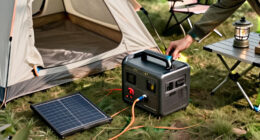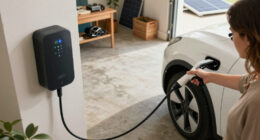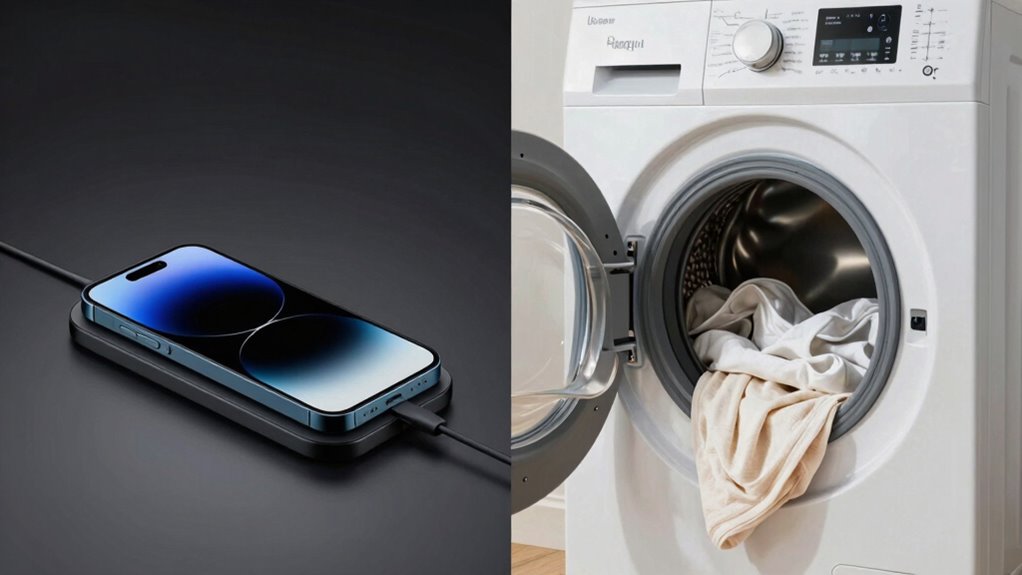

Powering devices and appliances comes down to their energy needs and usage. Devices like smartphones and laptops typically require lower voltage and consume less energy, but they can be inefficient if used carelessly. In contrast, appliances like refrigerators and air conditioners need higher voltage and run longer, greatly impacting your energy bills. Understanding these differences helps you make smarter choices. Keep exploring to find tips on optimizing your energy consumption for both devices and appliances.

Get backup power and energy gear delivered free — and shop member deals
- Fast, free delivery on millions of items
- Access to Prime Big Deal Days deals on October 6–7
- Prime Video, Amazon Music and more included
Key Takeaways
- Devices, like smartphones, typically require lower voltage and consume less energy compared to appliances, such as refrigerators and air conditioners.
- Appliances are designed for specific tasks and usually operate for longer periods, leading to higher energy consumption.
- Energy efficiency ratings for appliances indicate their effectiveness in converting energy, influencing overall energy bills.
- Charging practices for devices can optimize energy use, while appliances may require more substantial adjustments for efficiency.
- Smart technology enables better monitoring and management of both devices and appliances, enhancing overall energy efficiency in homes.
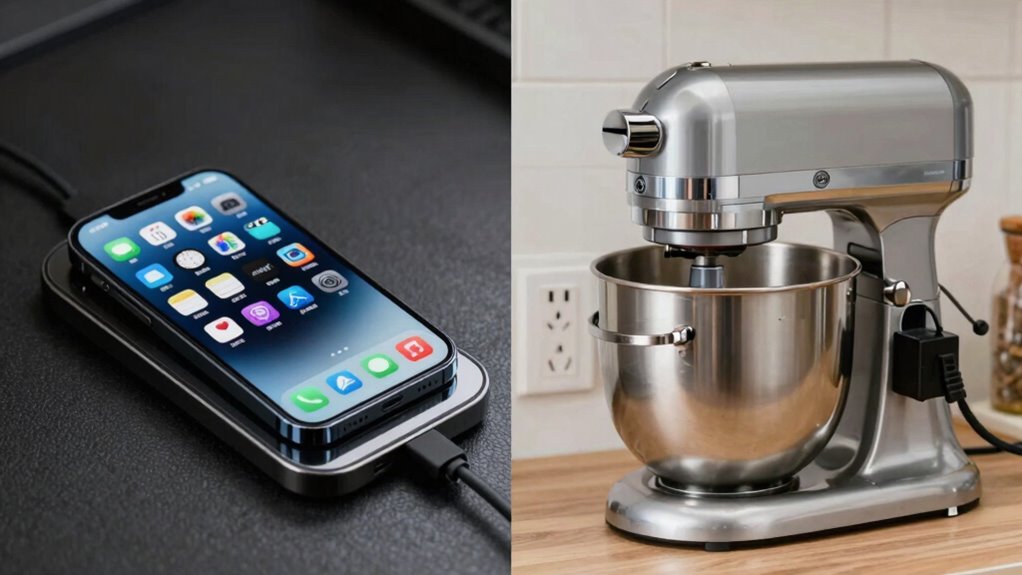
When you think about energy consumption, it’s easy to confuse powering devices with powering appliances. While both require electricity, they operate differently and have distinct impacts on your energy bill. Understanding these differences can help you make more informed choices about your energy use.
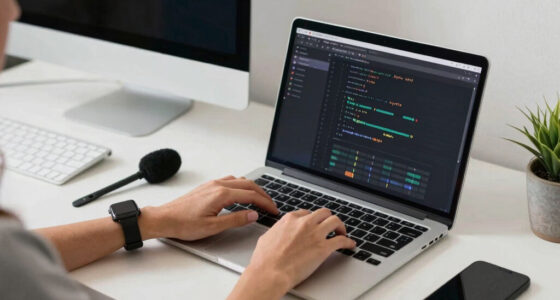
Devices, like smartphones and laptops, typically have lower voltage requirements, often running on batteries or low-voltage chargers. These gadgets are designed for convenience, allowing you to use them almost anywhere. Their energy consumption is generally lower, but that doesn’t mean they’re always efficient. Features like screen brightness and background apps can affect how much power they draw. If you’re mindful of your usage patterns, you can optimize battery life and reduce energy consumption considerably. Additionally, energy-efficient charging practices can further minimize waste and extend device longevity. Implementing smart charging strategies can also help prevent unnecessary energy drain when devices aren’t in use.
Devices like smartphones and laptops are portable and convenient, but mindful usage can significantly optimize their energy efficiency.
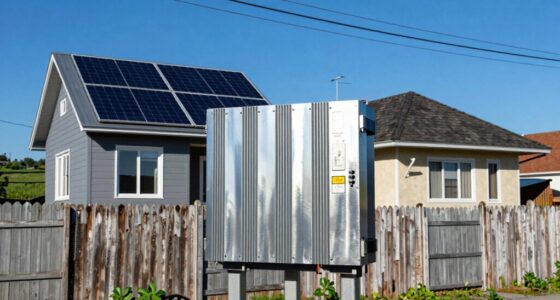
On the other hand, appliances such as refrigerators, washing machines, and air conditioners need higher voltage and consume much more energy. These appliances are designed for specific tasks and often run for longer periods. Their efficiency ratings, which indicate how well they convert energy into useful work, are vital to take into account when making a purchase. An appliance with a higher efficiency rating can save you a lot on your energy bill over time, even if the upfront cost is higher.
You might not realize it, but the way you use these appliances can greatly affect your overall energy consumption. For instance, running the dishwasher at night or using the washing machine during off-peak hours can lower your energy costs. By analyzing your usage patterns, you can identify opportunities to reduce waste and maximize efficiency.
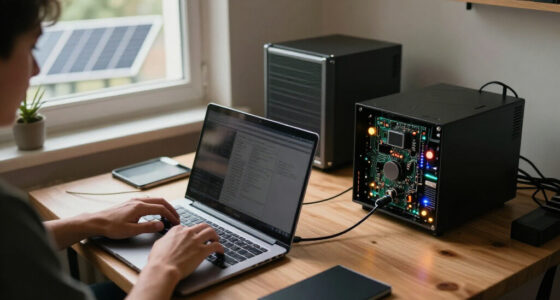
It’s also worth noting that smart devices are changing the landscape of energy consumption. Many modern appliances come equipped with smart technology that allows you to monitor and control their energy use remotely. This can help you stay aware of your consumption habits and make adjustments as needed. Additionally, smart home upgrades can improve your overall energy efficiency by allowing better control and automation of your energy-consuming devices. Some of these upgrades include energy management systems that provide real-time data on your home’s power usage, further enabling you to make informed decisions.
energy-efficient smartphone charger
As an affiliate, we earn on qualifying purchases.
As an affiliate, we earn on qualifying purchases.
Frequently Asked Questions
What Are the Safety Concerns With Powering Devices Versus Appliances?
When you’re powering devices, you need to watch for overheating, especially if they draw too much power. These smaller gadgets often have lower wattage than appliances, so make sure your outlets can handle them. In contrast, appliances usually require more wattage, increasing the risk of overloading circuits. Always check the wattage ratings and avoid using multiple high-wattage appliances on the same circuit to prevent potential hazards. Stay safe by being cautious!
How Do Voltage Requirements Differ Between Devices and Appliances?
Voltage requirements vary considerably between devices and appliances. Devices often adhere to lower voltage standards, typically around 5 to 12 volts, suitable for charging and small tasks. In contrast, appliances usually need higher voltage standards, often around 120 or 240 volts, to operate efficiently. When you’re selecting power sources, always check the device specifications to verify compatibility and safety. Understanding these differences helps you avoid damage and guarantees peak performance.
Can I Use a Power Strip for Both Devices and Appliances?
Yes, you can use a power strip for both devices and appliances, but you need to prioritize power strip safety. Make sure the power strip can handle the total wattage of all items plugged in. Check device compatibility to avoid overloading, especially with high-wattage appliances. If you’re using it for heavy-duty items, consider a surge protector with higher ratings to safeguard your devices and appliances from voltage spikes. Always follow the manufacturer’s guidelines!
What Is the Environmental Impact of Powering Devices Versus Appliances?
Powering devices generally has a lower environmental impact than powering appliances due to lower energy consumption. When you focus on sustainability practices, you’ll find that small devices often use less energy and may have longer lifespans. Conversely, appliances typically consume more energy and contribute considerably to your carbon footprint. By being mindful of your energy use and opting for energy-efficient models, you can reduce your overall impact and promote a more sustainable lifestyle.
How Do Energy Efficiency Ratings Differ for Devices and Appliances?
When it comes to energy efficiency, think of devices as sprinters and appliances as marathoners. Devices typically have higher efficiency standards, meaning they consume less energy for their functions, while appliances, designed for heavier tasks, often draw more power. You’ll notice that energy consumption varies considerably; appliances usually come with detailed ratings, guiding you in making eco-friendly choices. By understanding these differences, you can make smarter decisions for your home.
Conclusion
In the end, understanding the distinction between powering devices and powering appliances is vital for efficient energy use. While devices often require lower wattage and more flexibility, appliances demand consistent power for peak performance. As the saying goes, “A stitch in time saves nine,” so taking the time to assess your energy needs can save you both money and hassle down the line. Embrace this knowledge, and you’ll make smarter choices that benefit both your devices and appliances.
Halloween Picks
halloween
As an affiliate, we earn on qualifying purchases.