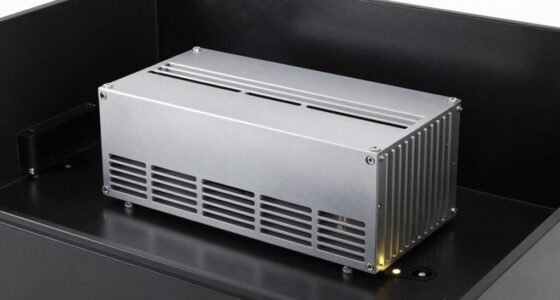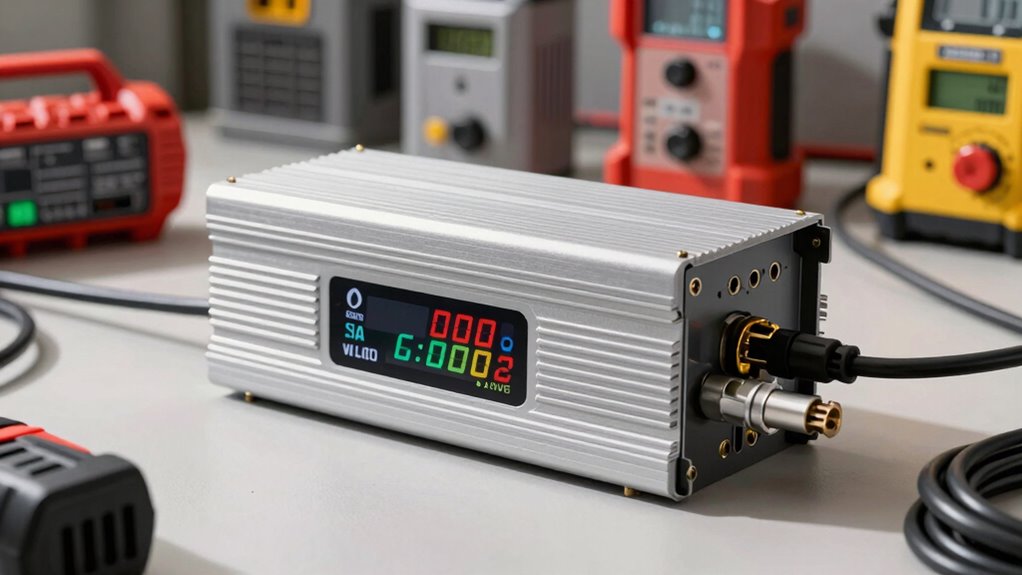

Inverter surge ratings matter more than you might think because they determine how well your system copes with the initial power needs of appliances. When your refrigerator kicks on or a power tool starts, these surges can overwhelm underpowered inverters, leading to failure or stressing your devices. This can shorten their lifespan and disrupt your power supply. Understanding surge ratings is key to reliable performance, and there’s more to discover about optimizing your inverter choices for your specific needs.

Get backup power and energy gear delivered free with Prime
- Fast, free delivery on millions of items
- Prime Video, Amazon Music and more included
- Member-only deals all year
Key Takeaways
- Surge ratings are vital for meeting the initial power demands of high-startup appliances, preventing inverter failure during peak usage.
- Inadequate surge capacity can lead to stress on devices, reducing their lifespan and overall reliability.
- Understanding power demand patterns ensures the selection of inverters that can handle both steady and short-term loads effectively.
- Efficient inverters with appropriate surge ratings minimize energy waste and heating issues, enhancing overall performance.
- Compatibility with renewable energy systems is crucial for reliable operation, ensuring effective energy management in eco-friendly setups.
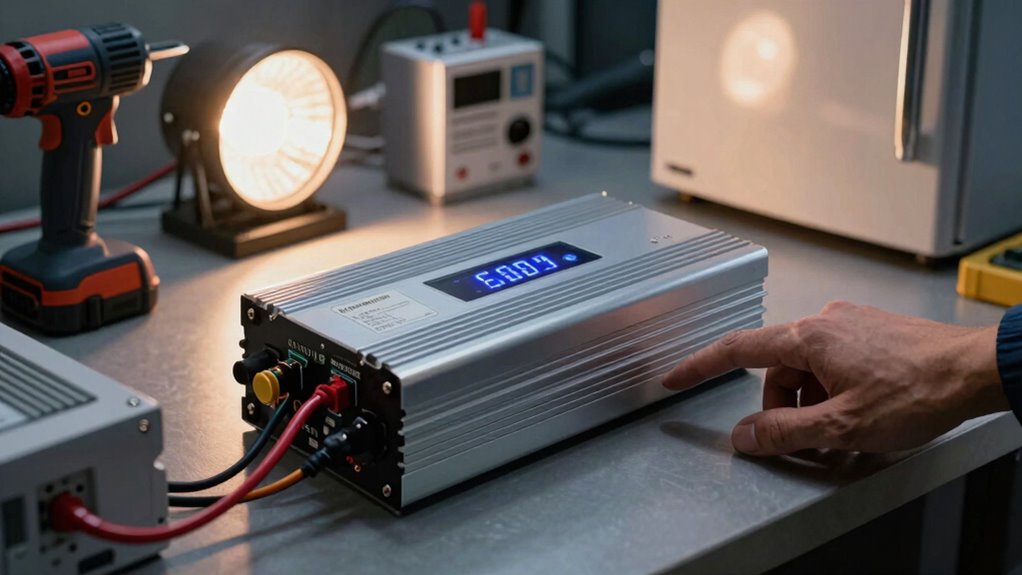
When you’re choosing an inverter, understanding surge ratings is vital, as they determine how well the device can handle short bursts of high power demand. These surges often occur when you first turn on appliances like refrigerators or power tools, which require a significant amount of energy for a brief period. If your inverter doesn’t have the right surge capacity, it might struggle or even fail to power your devices reliably. This can also impact the overall lifespan of your equipment by causing unnecessary stress on the devices and the inverter itself.
A proper understanding of inverter ratings can help you select a model that meets your specific power needs. Surge ratings indicate the maximum power an inverter can deliver during these short bursts. While continuous power ratings show what the inverter can handle over time, surge ratings are essential for understanding its capability during those initial moments of energy demand. You might think that just looking at the continuous rating is enough, but if you overlook the surge capacity, you could end up with an inverter that can’t keep up with your needs. Recognizing the importance of peak power can prevent undersized inverters from causing system failures. Additionally, understanding power demand patterns can assist in selecting an inverter that efficiently manages both steady and short-term loads.
Inverter efficiency ties closely to these ratings as well. An efficient inverter not only converts DC power to AC power effectively, but it also manages power surges without significant losses. If the inverter is inefficient, it may struggle under peak loads, causing unnecessary energy waste and heating issues. You want an inverter that maximizes its output without compromising on performance. Additionally, considering renewable energy systems can help you ensure your inverter is capable of handling the demands of sustainable power setups.
inverter surge capacity for home appliances
As an affiliate, we earn on qualifying purchases.
As an affiliate, we earn on qualifying purchases.
Frequently Asked Questions
How Do Inverter Surge Ratings Compare Across Different Brands?
Inverter surge ratings vary considerably across brands. You’ll find that some brands prioritize reliability, offering higher surge ratings that guarantee compatibility with a range of devices. Others may compromise on this, leading to potential issues during peak demand. When choosing, you should compare surge ratings alongside brand reliability to make sure your inverter can handle your specific needs. Always check for surge compatibility to avoid damaging your equipment during high power demands.
Can Surge Ratings Affect Battery Life and Performance?
Yes, surge ratings can greatly affect battery life and performance. Imagine your battery as a marathon runner; if it faces sudden, intense bursts of energy—like a sprint—its longevity suffers. High surge impacts drain your battery faster, leading to reduced efficiency and lifespan. If you want to keep your setup running smoothly, choose inverters with appropriate surge ratings to guarantee your battery remains strong and performs effectively over time.
What Appliances Require Higher Surge Ratings?
Appliances like refrigerators, air conditioners, and power tools require higher surge ratings. These devices often draw significant power during startup, making surge protection essential for appliance compatibility. If you’re using an inverter, verify it can handle these initial surges to prevent damage and maintain performance. Checking the surge ratings before connecting your appliances can save you from costly repairs and extend their lifespan. Always prioritize compatibility for smooth operation.
Is There a Standard Measurement for Inverter Surge Ratings?
Yes, there’s a standard measurement for inverter surge ratings, typically defined in watts. Surge, in this situation, refers to the initial power spike needed when you start appliances. While various organizations set measurement standards, it’s essential to check your inverter’s specifications. If you’re using devices like refrigerators or power tools, understanding these ratings helps guarantee you’ve got enough power to handle those surges without damaging your equipment.
How Can I Test an Inverter’s Surge Rating Myself?
You can test an inverter’s surge rating by using surge testing methods like connecting a resistive load or an inductive load. Start by checking the inverter specifications to find its rated surge capacity. Then, gradually increase the load until you reach that limit, monitoring the output voltage and current. Make sure to use appropriate safety gear and equipment to prevent damage or accidents during the testing process.
Conclusion
Inverter surge ratings are like the safety net for your electrical system, catching unexpected spikes that could otherwise lead to disaster. Ignoring these ratings can leave your devices vulnerable, much like walking a tightrope without a harness. By understanding and prioritizing surge ratings, you’re not just protecting your equipment; you’re ensuring a smoother, safer experience in your home or business. So, don’t overlook this essential aspect—embrace it, and keep your power supply steady and reliable.
Halloween Picks
halloween
As an affiliate, we earn on qualifying purchases.