Bigger batteries might hold more charge, but they don’t always improve performance. They can add weight, making devices cumbersome and reducing portability. Charging times can become longer, which isn’t convenient for your fast-paced life. Plus, managing heat is vital; larger batteries can generate excess heat, leading to potential risks. All these factors can complicate usability. If you’re curious about the trade-offs involved, there’s more important information to take into account ahead.

Get backup power and energy gear delivered free with Prime
- Fast, free delivery on millions of items
- Prime Video, Amazon Music and more included
- Member-only deals all year
Key Takeaways
- Larger batteries can lead to quicker degradation if not managed properly, sacrificing long-term longevity for increased capacity.
- Increased weight from bigger batteries can hinder portability, making devices cumbersome and frustrating for users.
- Longer charging times for larger batteries can disrupt efficiency, impacting user satisfaction in fast-paced lifestyles.
- Overheating risks rise with larger batteries, necessitating advanced thermal management to ensure safety and extend device lifespan.
- Recycling and environmental challenges increase with bigger batteries, complicating disposal and raising concerns for eco-conscious consumers.
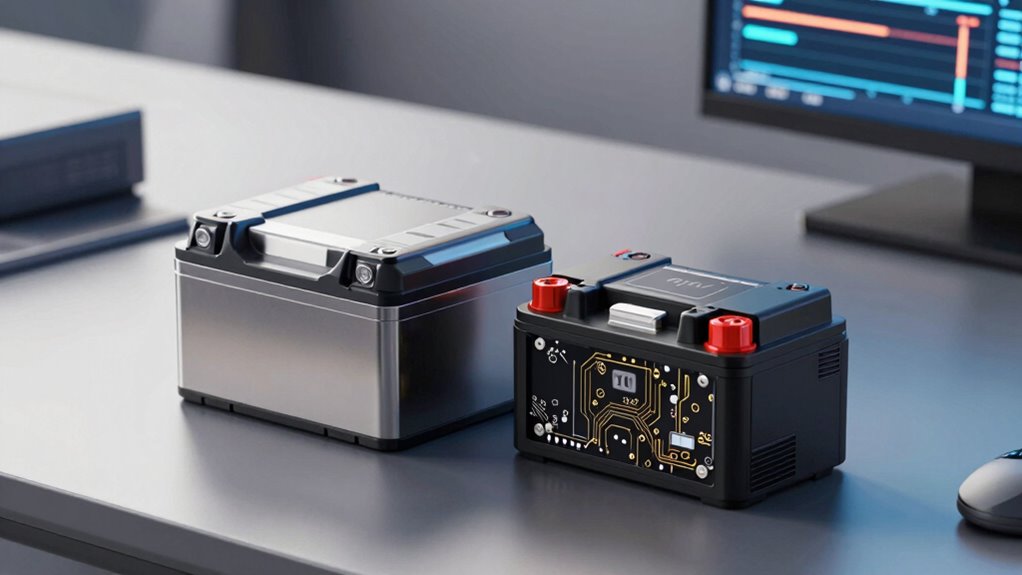
As technology evolves, the demand for bigger batteries has become more vital than ever. You might think that just increasing battery size would automatically enhance system performance, but it’s not that simple. While larger batteries can offer greater energy capacity, they often come with a set of challenges that can impact overall efficiency and functionality.
First, let’s talk about battery lifespan. Bigger batteries may hold more charge, but they can also experience faster degradation if they’re not managed properly. If you’re not mindful of how you use your device, you could end up sacrificing longevity for capacity. Energy density is another key factor. Even if a battery is larger, if it lacks high energy density, you won’t see much improvement in performance. This means you could be carrying around extra weight without the benefits you hoped for.
Bigger batteries can degrade faster and may not improve performance without high energy density, leading to extra weight without benefits.
Weight considerations play a significant role too. Larger batteries add weight, which can affect portability and usability. If you’re using a device that becomes cumbersome due to added weight, you might find yourself frustrated rather than impressed by its capabilities. Cost implications also come into play; larger batteries often mean higher production costs, which can lead to more expensive devices. If the price doesn’t match the performance gain, you might reconsider whether it’s worth the investment.
Charging speed is another essential element. Bigger batteries can take longer to charge, which can be a hassle in our fast-paced world. If you’re frequently waiting for your device to power up, the larger battery could actually hinder your efficiency. Additionally, thermal management becomes a concern. Larger batteries generate more heat, which can lead to overheating issues if they are not properly managed. Proper thermal management techniques are critical to ensure safety and longevity when using larger batteries. This not only helps prevent damage but also extends the operational lifespan of the device. Incorporating advanced cooling systems can mitigate some of these risks and improve overall performance. Moreover, advancements in battery technology are continually improving how larger batteries are designed to address these issues.
Furthermore, recycling challenges associated with bigger batteries shouldn’t be overlooked. Bigger batteries contain more materials, which complicates the recycling process. If you’re environmentally conscious, you might find this aspect troubling. It’s also important to consider how regulatory standards impact the development and disposal of larger batteries. Ultimately, understanding your usage patterns is key. If you primarily use your device for light tasks, a bigger battery may not provide any real advantage.
high capacity portable power bank
As an affiliate, we earn on qualifying purchases.
As an affiliate, we earn on qualifying purchases.
Frequently Asked Questions
How Do Battery Sizes Affect Device Weight and Portability?
Battery sizes directly impact your device’s weight and portability. Larger batteries can improve battery efficiency and extend usage time, but they also add weight, making devices bulkier. If you’re looking for something lightweight and easy to carry, smaller batteries might be better, even if their charging speed is slower. Ultimately, it’s about finding the right balance between size, efficiency, and convenience to suit your lifestyle and needs.
Are Larger Batteries More Environmentally Friendly?
Larger batteries aren’t necessarily more environmentally friendly. While they can store more energy, their production often involves extensive resource extraction, increasing environmental impact. You’ll face recycling challenges too; larger batteries can be harder to process, leading to more waste. It’s vital to reflect on the entire lifecycle from production to disposal. So, while size matters, efficiency and sustainability in design are equally important for reducing your overall environmental footprint.
What Safety Risks Do Bigger Batteries Pose?
Bigger batteries can pose several safety risks. You might encounter thermal management issues, as larger batteries generate more heat, increasing fire hazards. If the charging efficiency isn’t ideal, it can lead to overheating, risking material integrity. Additionally, if the battery’s design isn’t robust enough, it may suffer from swelling or leakage, further compromising safety. Keeping these factors in mind is essential when considering larger battery systems for your needs.
Do Larger Batteries Have Longer Lifespans?
Larger batteries might seem like sturdy giants, but size isn’t everything when it comes to lifespan. You’ll find that it largely depends on battery chemistry and energy density. Some big batteries can wear out faster if they’re not designed well, while others might thrive for years. So, don’t just chase size; look deeper at the materials and design that keep those powerhouses running strong for the long haul.
How Do Battery Costs Compare for Different Sizes?
When you compare battery costs, size really impacts cost efficiency. Larger batteries often come with higher upfront costs, but they can provide more energy storage, potentially reducing the cost per kilowatt-hour over time. However, you’ll need to weigh that against your specific needs. Smaller batteries might fit your budget better initially, but if you require more capacity, the long-term savings of a larger size could make it worth the investment.
Conclusion
Bigger batteries might seem like the magic solution to all your power woes, but that’s not always the case. While they can offer more energy, they don’t automatically translate to better performance. Other factors, like efficiency and system design, play an essential role. So, don’t be fooled into thinking size is everything; it’s like believing a giant sandwich is the best meal just because it’s huge. Aim for balance, and you’ll access true system potential.
Halloween Picks
halloween
As an affiliate, we earn on qualifying purchases.