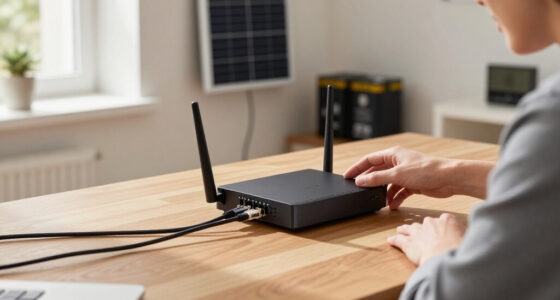
To optimize your home energy use, focus on key metrics like consumption patterns to identify wasteful habits and shift usage to off-peak times. Track renewable energy contributions to boost sustainability, and monitor efficiency metrics such as energy per square foot for comparison. Utility bill analysis helps you spot cost spikes, while advanced metrics like power factor and demand charges let you manage system performance. Keep exploring to discover how these insights can truly transform your energy management.

Get backup power and energy gear delivered free with Prime
- Fast, free delivery on millions of items
- Prime Video, Amazon Music and more included
- Member-only deals all year
Key Takeaways
- Monitoring consumption patterns identifies peak hours and appliances with high energy demand to optimize usage.
- Tracking renewable energy contributions assesses system efficiency and guides sustainability efforts.
- Comparing energy efficiency metrics, like energy per square foot, highlights areas for improvement.
- Analyzing utility bills reveals cost trends and detects anomalies or seasonal fluctuations.
- Evaluating advanced metrics such as power factor and demand charges enhances overall energy management.
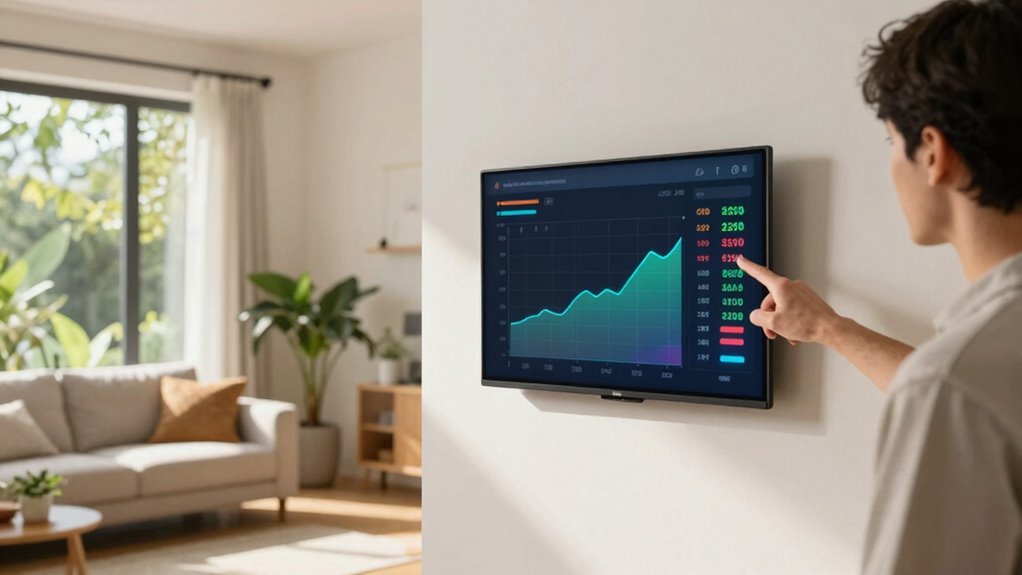
Have you ever wondered how energy-efficient your home truly is? Understanding the metrics that matter most can help you make smarter decisions about your energy use and savings. One key aspect involves examining your consumption patterns—how much energy you use daily, weekly, and monthly. Tracking these patterns reveals when and where you consume the most energy, whether it’s during peak hours or in particular appliances. This insight allows you to identify wasteful habits and adjust accordingly, such as reducing unnecessary loads or shifting usage to off-peak times.
Another essential metric relates to your home’s reliance on renewable sources. If your goal is to minimize your carbon footprint and increase energy independence, paying attention to your renewable energy contributions becomes critical. Solar panels, wind turbines, or other renewable systems can considerably reduce your reliance on conventional power grids. Measuring the percentage of your total energy that comes from renewable sources helps you gauge how well your home aligns with sustainable practices. Additionally, monitoring the output of these systems over time shows their efficiency and helps you determine if they’re meeting your energy needs or if adjustments are necessary.
Energy consumption per square foot is another helpful metric. It provides a standardized way to compare your home’s efficiency against similar properties or national averages. A lower energy use per square foot indicates better efficiency, often achieved through proper insulation, energy-efficient appliances, and smart home technology. By regularly reviewing this metric, you can prioritize upgrades that deliver the greatest impact on your overall energy savings. Incorporating energy performance data into your routine can help you track improvements and identify new opportunities for efficiency. Staying informed about energy system performance can further enhance your ability to optimize your home’s energy use and reduce costs. Regularly analyzing your energy consumption patterns can also help you anticipate future needs and plan for upgrades accordingly.
Electricity bills are often the most tangible indicator of your home’s energy performance. While they don’t tell the whole story, analyzing your bills can reveal trends or sudden spikes that warrant investigation. For example, a sharp increase in energy costs might point to an appliance malfunction or increased usage during certain seasons. Coupling bill analysis with detailed consumption data gives you a clearer picture of your energy habits.
Finally, efficiency metrics like power factor and demand charges provide deeper insights into your energy system’s health. A high power factor means your electrical system is running efficiently, reducing waste and potential fees. Monitoring demand charges—fees based on your peak energy use—encourages you to manage high-energy-demand periods better, possibly through load shifting or energy storage solutions. Regularly assessing home energy metrics can help you optimize your overall energy management and identify opportunities for further savings. Being aware of power factor can also assist in maintaining your system’s efficiency and avoiding unnecessary costs.
As an affiliate, we earn on qualifying purchases.
Frequently Asked Questions
How Can I Improve My Home Energy Efficiency Quickly?
To improve your home energy efficiency quickly, start with simple energy saving tips like adjusting your thermostat and turning off unused appliances. Focus on insulation improvements—seal gaps around windows and doors, add attic insulation, or upgrade to energy-efficient windows. These steps reduce heat loss, lower your energy bills, and boost comfort fast. Regularly maintaining HVAC systems also helps guarantee they’re running efficiently, maximizing your home’s energy savings.
Are Smart Meters Necessary for Accurate Energy Measurement?
Smart meters aren’t strictly necessary for accurate energy measurement, but they markedly improve meter accuracy and data reliability. They provide real-time, precise readings, helping you monitor your energy use more effectively. Without a smart meter, traditional meters can be less accurate and offer limited data. Investing in a smart meter guarantees you get reliable measurements, allowing you to make better decisions about your energy consumption and efficiency efforts.
What Is the Average Energy Consumption for Similar Homes?
On average, similar homes consume about 10,649 kWh annually. To put that into perspective, think of it as enough energy to run a typical household for over a year. Using energy consumption benchmarks and home energy comparisons, you can easily gauge whether your usage is above or below average. This insight helps you identify potential savings and adjust habits to improve efficiency, making your home more energy-smart.
How Do Weather Conditions Affect Home Energy Metrics?
Weather patterns and seasonal variations directly impact your home energy metrics. During colder months, you’ll likely see increased heating energy use as temperatures drop, while hot weather raises cooling demands. Sudden weather changes can cause fluctuations in your energy consumption, making it essential to monitor these patterns. Understanding how seasonal shifts influence your energy use helps you optimize efficiency and identify opportunities to save, regardless of the weather outside.
Can Energy Metrics Predict Future Energy Costs?
Yes, energy metrics can help predict future costs by analyzing patterns in your energy use, especially when combined with renewable sources and energy storage data. The rhythm of your consumption, coupled with how much renewable energy you generate and store, reveals trends that forecast expenses. By tracking these metrics, you gain insights, allowing you to optimize your energy strategies and potentially reduce costs before they rise.
Conclusion
By tracking your energy consumption, understanding your costs, and monitoring your usage patterns, you empower yourself to make smarter decisions, save money, and reduce your environmental impact. By paying attention to these key metrics, you stay informed, stay in control, and stay ahead of rising energy costs. Ultimately, these metrics aren’t just numbers—they’re your tools for a more efficient, cost-effective, and sustainable home. Take charge today, and watch your energy habits transform.
Fall Picks
fall essentials
As an affiliate, we earn on qualifying purchases.