Dual-carbon batteries offer a greener alternative by using abundant, renewable carbon materials for both electrodes, making them safer and easier to produce than traditional lithium-ion batteries. They provide high energy density and long cycle life, while reducing reliance on scarce or toxic materials like cobalt. Their eco-friendly design and straightforward manufacturing process make them promising for sustainable energy storage. To discover how these batteries could transform the future, keep exploring their innovative features.

Get backup power and energy gear delivered free with Prime
- Fast, free delivery on millions of items
- Prime Video, Amazon Music and more included
- Member-only deals all year
Key Takeaways
- Dual-carbon batteries utilize eco-friendly, abundant carbon materials, reducing reliance on limited, environmentally harmful resources.
- They offer safer operation with stable electrolytes, minimizing risks of overheating and fires.
- The manufacturing process is simpler and more sustainable compared to traditional lithium-ion batteries.
- They demonstrate high energy density, supporting cleaner energy applications like electric vehicles and grid storage.
- Ongoing research aims to enhance performance and lifespan, making them a greener, more efficient energy storage solution.
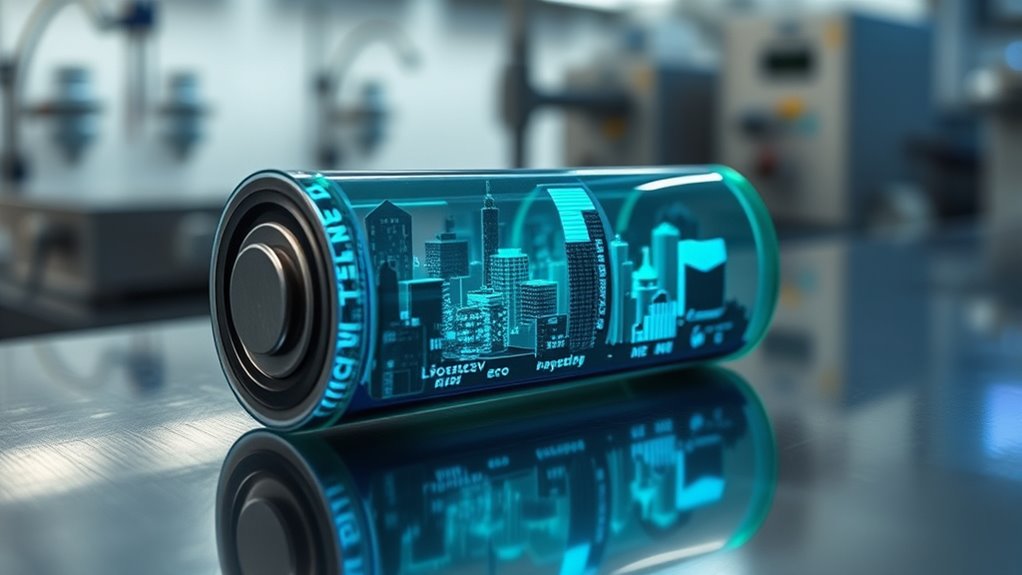
Dual-carbon batteries are an innovative energy storage technology that uses carbon-based materials for both the anode and cathode. This design offers a promising alternative to traditional batteries by emphasizing sustainability and efficiency. Unlike conventional lithium-ion batteries, which depend heavily on scarce and environmentally taxing materials, dual-carbon batteries leverage abundant, renewable, and environmentally friendly resources. This focus on sustainable materials helps reduce ecological impact and aligns with global efforts to create greener energy solutions. As you explore this technology, you’ll notice that the use of carbon—an element known for its versatility and availability—makes these batteries particularly appealing for large-scale energy storage.
One of the key advantages of dual-carbon batteries is their potential for high energy density. Energy density measures how much energy a battery can store relative to its size or weight, and it’s vital for applications requiring long-lasting power, like electric vehicles or grid storage. Researchers are continually working to improve this aspect, aiming to make dual-carbon batteries comparable or superior to traditional options. Because carbon materials can be engineered to optimize electrochemical performance, these batteries can achieve a higher energy density while maintaining safety and longevity. This means you could benefit from more compact, lightweight, energy-rich batteries that support your needs for mobility and reliability.
Dual-carbon batteries offer high energy density for compact, energy-rich, and reliable power sources.
Another benefit of using sustainable materials is that dual-carbon batteries tend to have a simpler manufacturing process compared to other advanced battery types. Since carbon is abundant and can be sourced from renewable resources, it reduces reliance on limited raw materials like cobalt or nickel, which are often associated with environmental and ethical concerns. This simplicity not only lowers costs but also accelerates production scalability, making it easier to meet increasing energy storage demands worldwide. As a user, you might see these batteries become more accessible and affordable, especially as research and commercial production advance. Additionally, ongoing research into battery performance aims to further enhance their efficiency and lifespan.
Furthermore, dual-carbon batteries exhibit impressive cycle life and safety profiles. Because they do not rely on volatile or toxic electrolytes, they are less prone to overheating or catching fire. Their stability and durability make them suitable for repeated charging cycles without significant capacity loss. For you, this means a dependable energy source that can be used repeatedly without frequent replacements, contributing to both economic savings and environmental benefits.
Products Worth Considering

Bose QuietComfort Wireless Noise-Cancelling Over-Ear Headphones, Black

Jackery Explorer 300 Portable Power Station, 292Wh

Sony WH-1000XM6 Wireless Noise-Canceling Over-Ear Headphones, Blue, Bundle
As an affiliate, we earn on qualifying purchases.
Frequently Asked Questions
What Are the Main Environmental Benefits of Dual-Carbon Batteries?
You benefit from dual-carbon batteries through their positive environmental impact, as they reduce reliance on scarce materials and lower greenhouse gas emissions. These batteries promote resource sustainability by using abundant, eco-friendly carbon materials, minimizing environmental damage during production and disposal. Their cleaner energy storage helps decrease pollution, supports renewable energy integration, and contributes to a healthier planet for you and future generations.
How Do Dual-Carbon Batteries Compare in Cost to Lithium-Ion Batteries?
You’ll find that dual-carbon batteries generally cost less than lithium-ion batteries because their manufacturing costs are lower, and material expenses are more affordable. They don’t require expensive metals like lithium or cobalt, which reduces overall costs. As a result, dual-carbon batteries could become a more economical choice for large-scale energy storage and portable devices, making them an attractive, budget-friendly alternative in the future.
What Are the Current Limitations of Dual-Carbon Battery Technology?
Imagine a knight with a broken shield—your dual-carbon batteries face similar hurdles. Currently, electrode stability remains a challenge, risking capacity loss over time. Although they promise good energy density, it’s not yet enough for high-demand applications. These limitations hinder widespread adoption, requiring further research to enhance durability and performance. Until then, dual-carbon batteries can’t fully rival more mature options like lithium-ion, but their potential keeps hope alive.
How Scalable Is Dual-Carbon Battery Production for Mass Markets?
You can expect dual-carbon battery production to become more scalable as manufacturing capacity increases and supply chains improve. Currently, expanding production faces challenges like sourcing raw materials and building specialized manufacturing facilities. However, with ongoing investments and technological advancements, you’ll see more widespread adoption in mass markets. As these factors progress, dual-carbon batteries will likely become a more viable, eco-friendly option for large-scale energy storage and consumer electronics.
What Future Innovations Are Expected to Improve Dual-Carbon Batteries?
You’ll see future dual‑carbon batteries improve with advanced electrode materials that boost energy density and longevity. For example, researchers might develop lightweight, highly conductive electrodes inspired by recent lab breakthroughs. Additionally, integrating solid state electrolytes could enhance safety and stability, making these batteries more reliable for large-scale use. These innovations will push dual‑carbon batteries toward higher performance, faster charging, and broader adoption in eco-friendly energy storage solutions.
Conclusion
While some might worry that dual-carbon batteries can’t match traditional options, they actually offer a greener, more sustainable choice. By using eco-friendly materials and enabling faster charging, they help reduce environmental impact without sacrificing performance. Embracing this technology means you’re not just choosing efficiency—you’re supporting a cleaner future. So, don’t let doubts hold you back; dual-carbon batteries could be the smart, responsible step toward a more sustainable world.