Flooded batteries are traditional and need regular water checks, making them more maintenance-intensive but often cheaper upfront. AGM batteries are sealed, maintenance-free, and better suited for applications like RVs or solar systems, while gel batteries are fully sealed and handle deep discharges well. The main differences come down to upkeep, safety, and cost. Knowing these practical distinctions helps you pick the right type—keep exploring to get the full picture.

Get backup power and energy gear delivered free — and shop member deals
- Fast, free delivery on millions of items
- Access to Prime Big Deal Days deals on October 6–7
- Prime Video, Amazon Music and more included
Key Takeaways
- Flooded batteries require regular water top-ups, while AGM and gel batteries are sealed and maintenance-free.
- AGM batteries are safer and spill-proof, making them suitable for portable or enclosed applications.
- Gel batteries have better vibration resistance and are ideal for deep-cycle, off-grid, or rugged environments.
- Proper charging is essential for all types, with AGM and gel batteries needing controlled, multi-stage chargers.
- Cost-wise, flooded batteries are cheaper upfront but need more maintenance; AGM and gel offer convenience at higher initial costs.

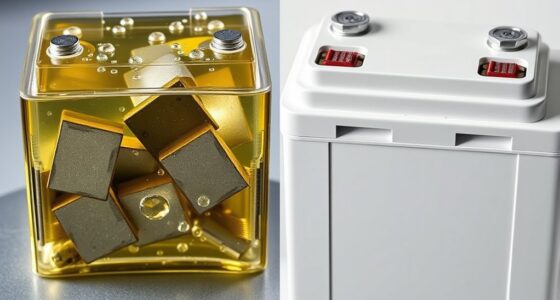
When choosing a battery type for your needs, understanding the practical differences between flooded, AGM, and gel batteries is essential. Each type has unique characteristics that influence how you should approach battery maintenance and charging techniques. Flooded batteries are the traditional lead-acid variety, featuring liquid electrolyte that requires regular maintenance. You’ll need to check the water levels periodically and top them off with distilled water to prevent damage. This maintenance is vital because if the electrolyte drops too low, the plates can become exposed, leading to reduced performance or permanent damage. Flooded batteries are typically more affordable upfront but demand more attention to keep them running smoothly. Proper battery maintenance can significantly extend the lifespan of flooded batteries, making them a cost-effective choice for many users.
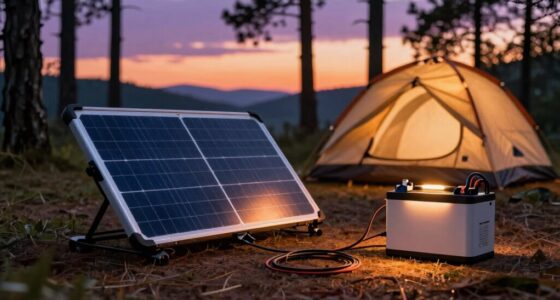
In contrast, AGM (Absorbed Glass Mat) batteries are maintenance-free because the electrolyte is absorbed in a glass mat separator. This design minimizes spill risks and reduces the need for regular checks. Since they’re sealed, you don’t have to worry about adding water, making them more convenient for applications where regular maintenance isn’t practical. When it comes to charging techniques, AGM batteries benefit from a controlled, multi-stage charger to prevent overcharging, which could damage the internal plates. Using a charger specifically designed for AGM batteries helps optimize their lifespan and performance, especially in demanding environments like RVs or solar systems. Additionally, understanding the battery chemistry can help you select the best type for your specific application. Selecting the right battery chemistry is crucial for maximizing efficiency and longevity in your energy system.
As an affiliate, we earn on qualifying purchases.
Frequently Asked Questions
Which Battery Type Lasts the Longest Under Heavy Usage?
If you want a battery that lasts the longest under heavy usage, AGM batteries are your best bet. They generally have a longer battery lifespan because they handle deep discharges better and resist vibration and temperature extremes. While gel batteries also perform well, AGM batteries typically endure more cycles, making them more suitable for demanding applications. So, for heavy usage, choose an AGM to maximize battery lifespan and reliability.
Are There Environmental Benefits to Each Battery Type?
Think of each battery type as a different tree in an eco-forest. AGM and gel batteries often have a smaller manufacturing impact and benefit from recycling programs, making them more eco-friendly. Flooded batteries might require more maintenance and pose environmental risks if not disposed of properly. Choosing the right type depends on your environmental priorities, but all can contribute positively if you recycle properly and consider their manufacturing impacts.
How Do Maintenance Requirements Differ Among the Batteries?
Flooded batteries require regular electrolyte maintenance and are the easiest to recycle, but they need periodic water refilling. AGM batteries need minimal electrolyte maintenance since they are sealed, but recycling is still important. Gel batteries are maintenance-free, with no electrolyte checks needed, and recycling is straightforward. For environmentally friendly disposal, always consider proper battery recycling, regardless of the type, to prevent hazardous waste.
Can These Batteries Be Used Interchangeably in All Applications?
You can’t always use flooded, AGM, and gel batteries interchangeably, as each has different ideal applications. Flooded batteries often have a longer lifespan but require maintenance, while AGM batteries are more durable and maintenance-free, suitable for high-vibration environments. Gel batteries excel in deep-cycle applications. Consider recycling options since battery lifespan varies, and choosing the right type helps reduce waste and environmental impact, ensuring safe disposal and reuse.
What Are the Initial Cost Differences for Each Battery Type?
You’ll find that flooded batteries typically have the lowest initial cost due to simpler manufacturing processes, while AGM and gel batteries are more expensive because of advanced manufacturing costs and technology. If you consider battery recycling, gel batteries often contain less hazardous materials, which can influence costs over time. Overall, your choice depends on balancing upfront investment with long-term maintenance and recycling considerations.
Conclusion
Understanding the differences between flooded, AGM, and gel batteries helps you choose the right one for your needs. For instance, if you’re powering a solar system, an AGM battery might be best because of its maintenance-free design and durability. Imagine a camper relying on a gel battery; it’s sealed and safe for rough conditions. Picking the right battery guarantees reliability and longevity, making your energy setup more efficient and hassle-free.
Halloween Picks
halloween
As an affiliate, we earn on qualifying purchases.