
Self-discharge varies across battery types. Lithium-ion batteries lose about 2-3% of their charge each month, while NiMH batteries can lose up to 20%, and lead-acid batteries degrade by a few percentage points monthly. You’ll see a gradual power decrease, even when not in use, especially with aging or poor storage. If you’d like to understand how to manage this better and keep your batteries performing well, there’s more to explore.
Open a free Amazon Business account
Business pricing, bulk buying and tax-exempt orders.
As an affiliate, we earn on qualifying purchases.
Key Takeaways
- Lithium-ion batteries typically lose 2-3% of their charge monthly due to self-discharge.
- NiMH batteries can self-discharge up to 20% per month, significantly reducing stored energy.
- Lead-acid batteries experience a smaller, gradual self-discharge rate of a few percentage points monthly.
- Self-discharge rates increase with battery age and improper storage conditions.
- Environmental factors like temperature and humidity accelerate chemical changes that lead to self-discharge.
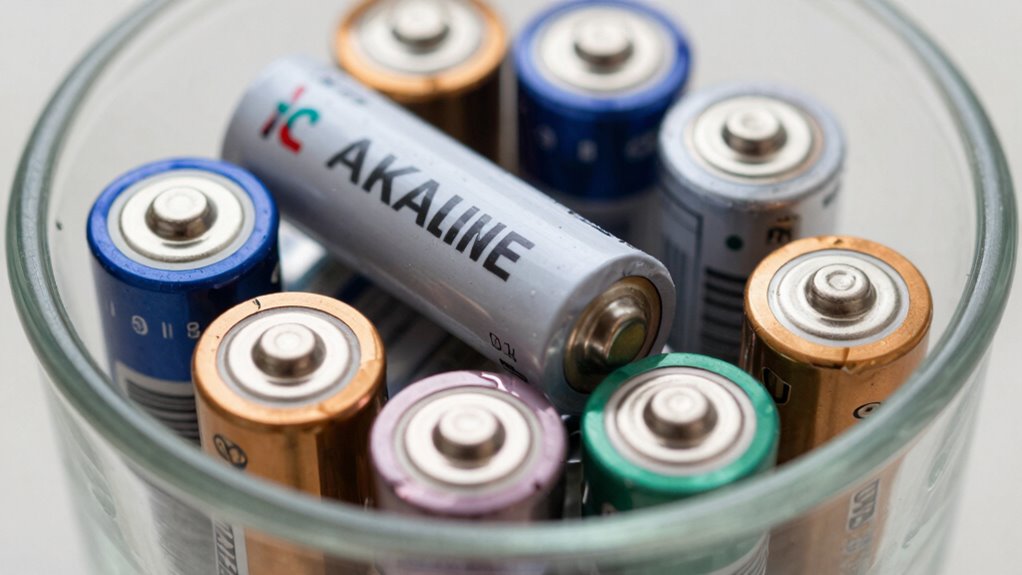
Have you ever wondered why a fully charged battery can lose power even when you’re not using it? This phenomenon is called self-discharge, and it happens across all types of batteries, whether they’re lithium-ion, nickel-metal hydride, or lead-acid. Self-discharge is a natural process where the stored energy gradually leaks away without any external load. As you keep batteries in storage or use them over time, you might notice they don’t hold their charge as well as when they were new. One key factor influencing this is battery aging, which accelerates self-discharge rates. Over repeated charge cycles, internal chemical changes cause the active materials to degrade, making the battery less efficient and more prone to losing charge even when idle.
Batteries naturally lose charge over time through self-discharge, which speeds up with aging and chemical changes.
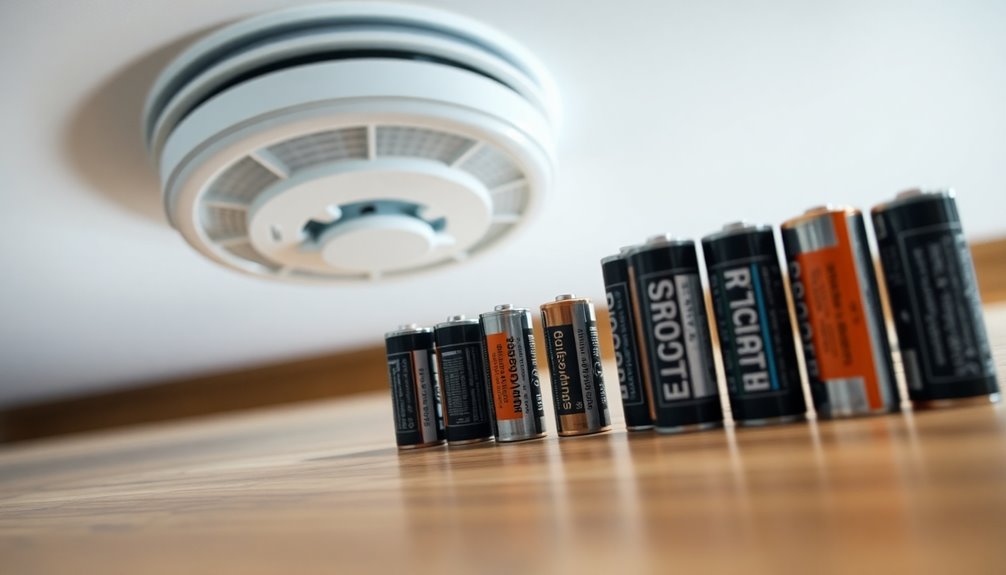
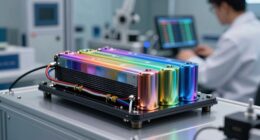
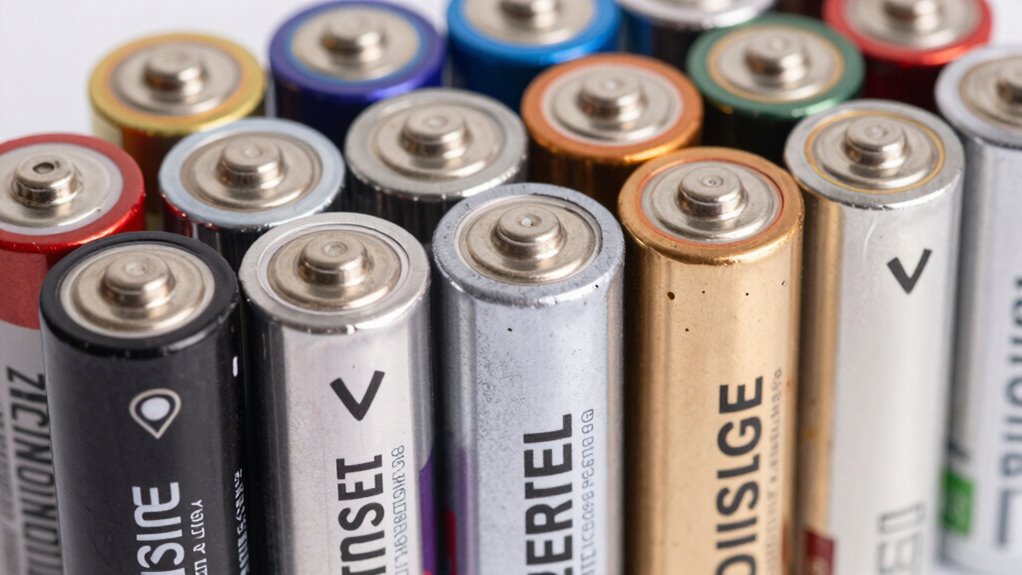
Different battery types exhibit varying self-discharge characteristics. Lithium-ion batteries, commonly used in smartphones and laptops, tend to have a relatively low self-discharge rate—around 2-3% per month. Still, if left unused for prolonged periods, they can lose significant power. Nickel-metal hydride (NiMH) batteries, often found in rechargeable AA batteries, typically self-discharge at a higher rate, sometimes as much as 20% per month. Lead-acid batteries used in cars tend to have the lowest self-discharge rates, but they can still lose a few percentage points of their charge monthly, especially if stored improperly. No matter the type, the rate at which batteries self-discharge increases with age, making storage conditions and maintenance essential to prolong their lifespan. Proper storage practices are crucial because they directly impact how quickly batteries lose their charge over time.
Additionally, self-discharge rates can be affected by environmental factors such as temperature and humidity, which can either slow down or speed up the process. Storage tips are critical in minimizing self-discharge and preventing premature battery aging. When storing batteries for an extended period, keep them in a cool, dry place, ideally at around 40-60% charge. This prevents the chemical stress that comes with full or empty states, which can accelerate aging. Avoid leaving batteries in hot environments, as heat speeds up chemical reactions that lead to battery degradation and higher self-discharge rates. Proper storage conditions are vital because temperature and humidity levels directly impact chemical stability within the battery. Additionally, check batteries periodically and recharge them if their voltage drops below recommended levels. Proper storage not only reduces self-discharge but also preserves battery capacity for when you need it most.
Understanding how self-discharge looks across different battery types helps you manage your devices better. By recognizing the impact of battery aging, following storage tips, and keeping batteries in optimal conditions, you can extend their service life and ensure they perform reliably when you need them. Even if a battery isn’t in use, it’s worth paying attention to how it loses power over time to avoid surprises and maintain your devices’ longevity.
As an affiliate, we earn on qualifying purchases.
Frequently Asked Questions
How Does Temperature Affect Battery Self-Discharge Rates?
Temperature fluctuations markedly impact battery self-discharge rates. When temperatures rise, chemical stability decreases, causing batteries to self-discharge faster. Conversely, cooler temperatures slow down chemical reactions, reducing self-discharge. You’ll notice that storing batteries in a stable, moderate temperature environment helps maintain their charge longer. Avoid exposing batteries to extreme heat or cold, as these conditions accelerate self-discharge and can damage the battery’s overall performance and lifespan.
Can Self-Discharge Cause Battery Safety Hazards?
Self-discharge can indeed create safety hazards if not managed properly. As your battery slowly loses charge, it might overheat or leak, leading to potential fires or chemical exposure. To prevent this, prioritize proper battery maintenance and follow safety precautions, such as storing batteries in cool, dry places and avoiding overcharging. Ignoring self-discharge risks can turn a small issue into a safety disaster faster than you’d expect.
Are There Specific Signs Indicating a Battery Is Self-Discharging?
You can spot a self-discharging battery by noticing signs like sudden power loss or the inability to hold a charge over time. Battery chemistry influences how quickly this happens, while manufacturing defects can make certain batteries more prone. If your device’s battery drains faster than usual or recharges abnormally, these are clear signs of self-discharge, prompting you to check for potential issues or consider replacement.
How Does Self-Discharge Impact Battery Lifespan?
Did you know that self-discharge can reduce a battery’s lifespan by up to 20% annually? Self-discharge impacts your battery’s longevity by gradually draining its charge even when not in use, especially with certain battery chemistries like lithium-ion. Proper storage techniques, such as keeping batteries in a cool, dry place and at partial charge, can slow this process, helping extend your battery’s overall lifespan and maintain peak performance.
Can Self-Discharge Be Completely Eliminated?
Self-discharge can’t be completely eliminated because it’s a natural part of battery chemistry. However, you can minimize it by choosing batteries with low self-discharge rates, like lithium-based types, and storing them under ideal conditions—cool, dry environments. Proper storage conditions slow down self-discharge, extending battery life. Regularly check and recharge batteries if needed, especially if they’re stored for long periods, to keep them in best condition.
Conclusion
Understanding self-discharge is like knowing your battery’s secret life—some lose their charge faster than others, like a sprinter compared to a marathon runner. By recognizing how different battery types behave, you can better manage their health and longevity. Think of it as tending a garden; with the right care, your batteries will flourish and serve you longer. So, keep an eye on their charge, and they’ll keep powering your world, quietly and reliably.
NFL season / tailgating Picks
team gear
As an affiliate, we earn on qualifying purchases.