
Battery‑As‑A‑Service (BaaS) in India is reshaping how you access electric vehicles, with companies like MG and ChargeZone leading the way. They offer flexible battery leasing and swapping options that lower upfront costs and reduce range anxiety. This expanding ecosystem includes a growing network of charging stations and infrastructure, making EV ownership more convenient and affordable. If you want to discover more about how these players are transforming India’s e-mobility scene, keep exploring.

Get backup power and energy gear delivered free with Prime
- Fast, free delivery on millions of items
- Prime Video, Amazon Music and more included
- Member-only deals all year
Key Takeaways
- MG and ChargeZone are leading players expanding battery swapping and charging infrastructure under India’s BaaS model.
- Emerging players are entering the market, increasing competition and offering diverse leasing plans.
- BaaS reduces upfront costs, making EV adoption more feasible with flexible battery leasing options.
- Strategic infrastructure deployment by major and new companies enhances accessibility and reduces range anxiety.
- The growing BaaS ecosystem supports India’s goal of widespread, sustainable electric mobility adoption.
Battery-As-A-Service (BaaS) is transforming India’s electric vehicle ecosystem by offering a flexible and cost-effective alternative to traditional battery ownership. Instead of purchasing batteries outright, you can now lease them, considerably reducing upfront costs and making EVs more accessible. This model shifts the focus from owning expensive batteries to simply leasing them as needed, which eases financial burdens and encourages more people to adopt electric mobility. When you opt for BaaS, you gain access to a network of charging infrastructure that supports quick and convenient battery swaps or charging, ensuring you spend less time waiting and more time on the road.
Battery leasing reduces costs and boosts EV adoption with quick charging and swapping options.
Battery leasing becomes a key component of this new approach. With leasing, you avoid the hefty initial investment required for a battery pack, instead paying a monthly fee that covers usage and maintenance. This not only makes EVs more affordable but also alleviates concerns about battery degradation over time—since the leasing companies manage battery health and replacements. As a result, you enjoy peace of mind knowing that your vehicle’s performance remains vital without worrying about the long-term costs of battery replacements. Additionally, leasing agreements often include battery swapping options, giving you flexibility to switch batteries quickly, especially when on long trips or in areas with limited charging points.
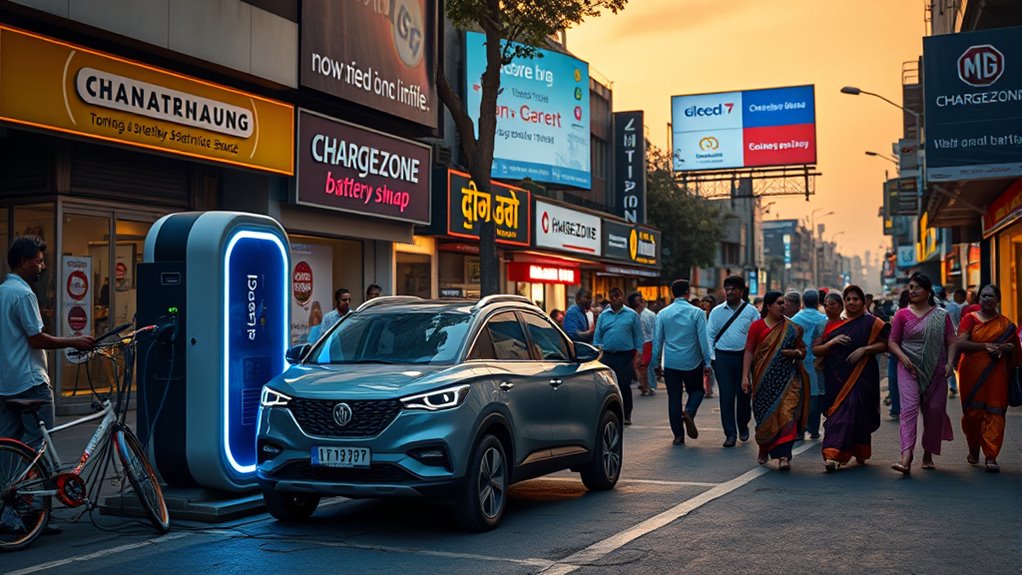
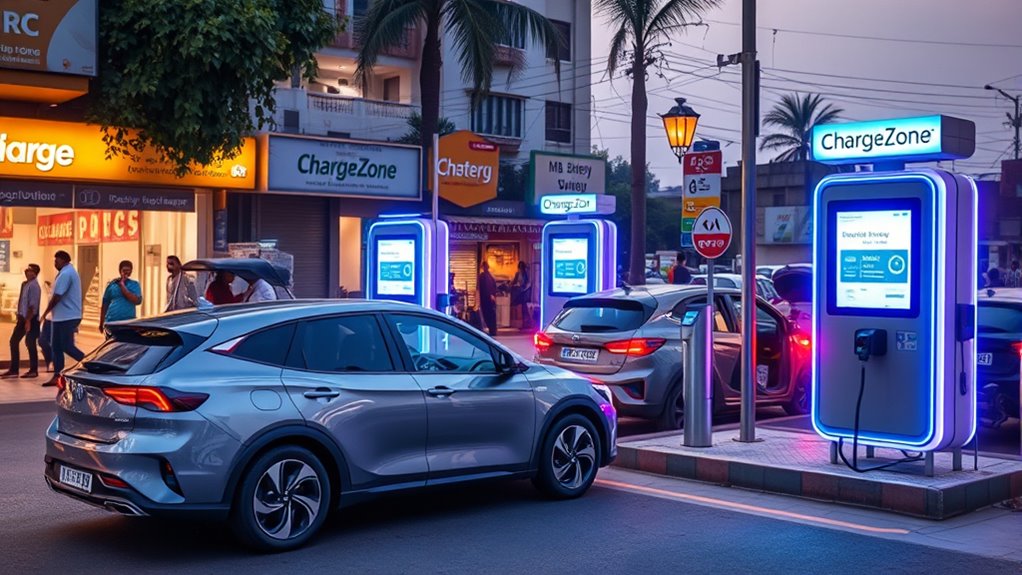
Charging infrastructure plays an essential role in supporting this shift. India is witnessing rapid deployment of charging stations and battery swapping stations that align with BaaS models. You benefit from an expanding network that offers fast-charging and swap stations, making EV use more practical and less stressful. These infrastructures are strategically placed in urban centers, highways, and commercial hubs, so you can easily find a station nearby—reducing range anxiety and boosting confidence in electric mobility. Many emerging players, including MG and ChargeZone, are investing heavily in building a thorough charging and swapping ecosystem to support BaaS, ensuring you have reliable access to power regardless of your location.
As more companies enter the scene, the ecosystem becomes more competitive and innovative, leading to better services and lower costs. You now have the option to choose from a variety of leasing plans and charging solutions tailored to different needs, whether you’re a daily commuter or a long-distance traveler. This synergy between battery leasing and charging infrastructure is making electric vehicles more convenient, affordable, and appealing. The development of reliable charging infrastructure further enhances the feasibility of BaaS by providing consistent and accessible power solutions. With these advancements, India is paving the way for wider EV adoption, and you stand to benefit from a cleaner, more efficient transportation future that’s increasingly accessible and user-friendly.
Frequently Asked Questions
What Are the Environmental Impacts of Baas in India?
You’ll find that Battery‑As‑A‑Service in India helps reduce pollution by promoting battery recycling and proper disposal. It encourages companies to reuse and recycle batteries, minimizing hazardous waste and environmental pollution. By extending battery life and managing waste responsibly, BAAS markedly lowers the ecological footprint. This system supports cleaner energy practices, reduces landfill waste, and helps protect India’s environment for future generations.
How Does Baas Affect EV Affordability for Consumers?
Battery-as-a-Service makes EVs more affordable for you by reducing upfront costs. You don’t need to buy a full battery, which lowers the initial investment. Instead, you pay as you go, and this setup encourages longer battery lifecycles, ensuring better performance over time. As a result, you enjoy significant consumer savings, making EV ownership more accessible and cost-effective while supporting sustainable battery management.
What Regulatory Challenges Does Baas Face in India?
Imagine maneuvering a maze of regulatory compliance and shifting policy frameworks, where each turn challenges your progress. You face regulatory hurdles in India, as inconsistent policies and unclear regulations slow down BaaS adoption. You must adapt quickly to evolving standards and guarantee compliance to avoid penalties. Building a clear, supportive policy framework is vital for BaaS to thrive, making your journey smoother and opening the full potential of EVs.
How Do Baas Providers Ensure Battery Safety and Quality?
You guarantee battery safety and quality by adhering to strict safety protocols and obtaining proper battery certification. Regularly inspecting batteries, using high-quality components, and following manufacturer guidelines help prevent malfunctions. Implementing rigorous testing processes and maintaining detailed records ensure compliance with safety standards. These steps help protect users, reduce risks, and guarantee that the batteries you provide meet the necessary quality benchmarks for reliable BaaS operation.
What Is the Future Outlook for Baas Market Growth in India?
The BaaS market in India is poised for rapid growth, driven by increasing market adoption and technological advancements. You can expect more electric vehicle users to embrace BaaS as convenience and affordability improve. Innovations like smarter battery management systems and improved charging infrastructure will boost confidence, making BaaS a mainstream choice. Overall, the sector’s future looks promising, with expanding investments and supportive policies fueling sustained growth.
Conclusion
As India accelerates towards cleaner energy, Battery-as-a-Service is shaping your future of mobility. Companies like MG and ChargeZone lead the charge, offering flexible, sustainable solutions. Remember, every journey begins with a single step—embrace these innovations now, and you’ll be riding the wave of change. Just as a small spark ignites a mighty fire, your choice can power a greener, brighter India ahead.
Halloween Picks
halloween
As an affiliate, we earn on qualifying purchases.