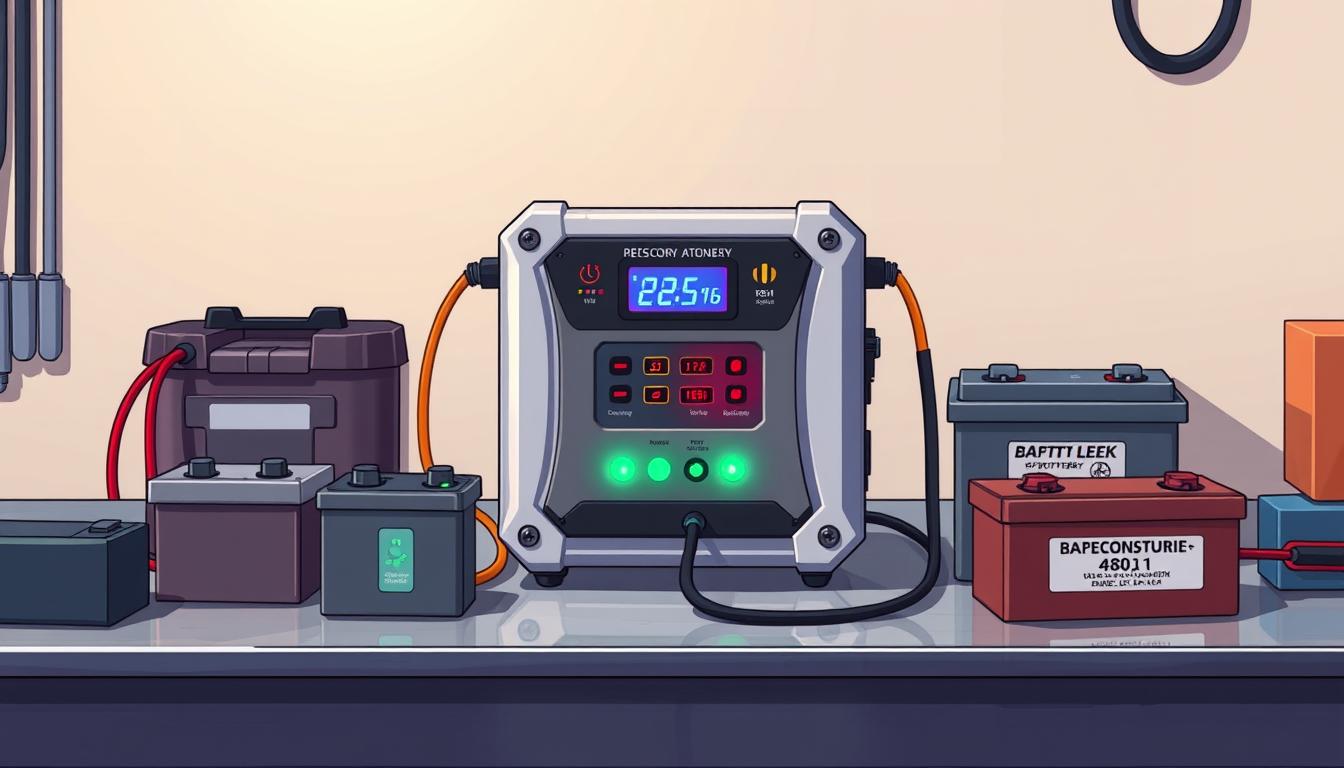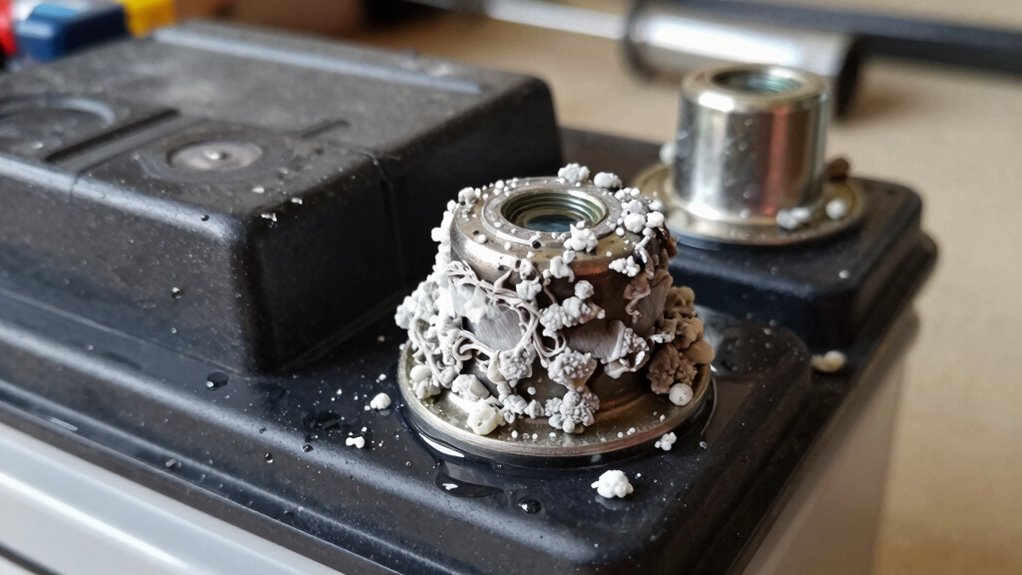

Desulfation isn’t as simple as just applying high-voltage pulses, because battery chemistry, age, and condition greatly affect how well it works. You need to understand the type of battery you have and follow proper charging protocols, or you risk causing damage or safety hazards. Many guides oversimplify the process, but the real success depends on nuanced techniques tailored to each battery’s needs. Keep exploring to discover how to approach desulfation wisely.

Get backup power and energy gear delivered free — and shop member deals
- Fast, free delivery on millions of items
- Access to Prime Big Deal Days deals on October 6–7
- Prime Video, Amazon Music and more included
Key Takeaways
- Battery chemistry and age influence how effectively desulfation methods work, making a one-size-fits-all approach unreliable.
- Inappropriate techniques can cause damage or safety hazards, requiring careful selection based on specific battery types.
- Successful desulfation depends on precise control of voltage, current, and timing tailored to each battery’s characteristics.
- Severe sulfation or advanced aging may limit the effectiveness of desulfation, sometimes necessitating battery replacement.
- Proper understanding of battery maintenance and chemistry is essential to avoid ineffective treatments and potential harm.
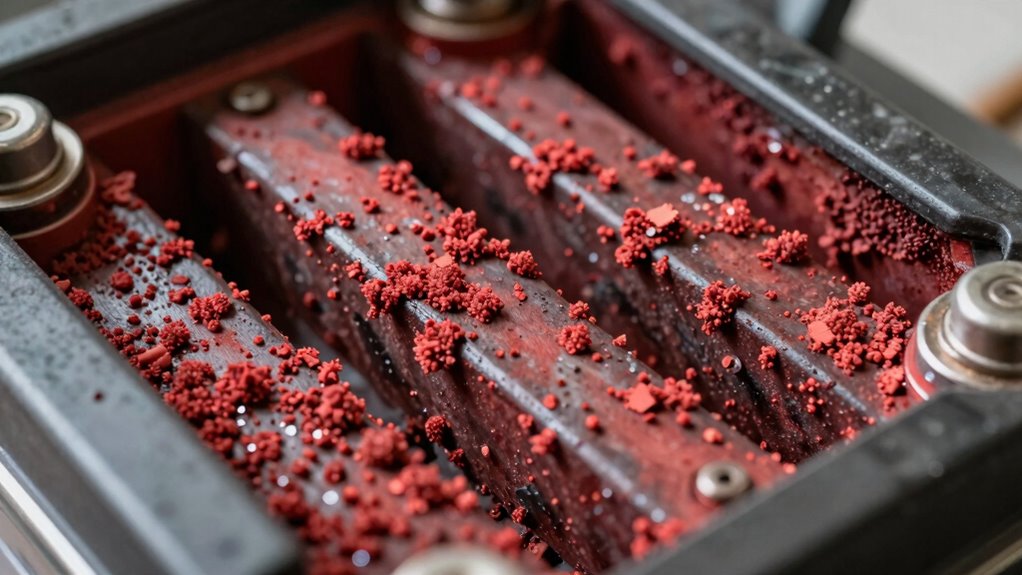
Desulfation is often seen as a straightforward solution to battery problems, but in reality, it involves more nuance than most realize. When you hear about desulfation, you might think it’s just a matter of applying a special charge or using a device to remove lead sulfate crystals from your battery plates. However, understanding the underlying technology requires knowing about battery chemistry and appropriate charging protocols. Lead-acid batteries, the most common type subject to sulfation, rely on specific chemical processes during charging and discharging. When these processes go awry—due to age, improper maintenance, or deep discharges—lead sulfate crystals form on the plates, impeding the flow of electrons and reducing capacity.
Many guides oversimplify desulfation by suggesting that simply applying a high-voltage pulse will fix everything. In truth, the success of desulfation heavily depends on your battery’s chemistry. Not all batteries respond equally to the same treatment. For example, flooded lead-acid batteries may benefit from certain desulfation techniques, but gel or AGM types have different internal structures and chemical compositions, making some methods ineffective or even damaging. This is where understanding your battery’s specific chemistry becomes essential. Using inappropriate desulfation techniques on incompatible battery types can worsen damage or cause safety hazards.
Not all batteries respond to the same desulfation methods; using incompatible techniques can cause damage or safety hazards.
Charging protocols also play a pivotal role. Proper charging isn’t just about giving the battery a boost; it’s about controlling voltage, current, and timing to minimize sulfation and prolong battery life. Many people overlook the importance of following manufacturer-recommended charging protocols. If you attempt desulfation without adjusting your charger’s settings—such as voltage limits or pulse durations—you risk under- or over-charging, which can harm the battery instead of restoring it. Some advanced chargers incorporate desulfation cycles intentionally, but even then, you need to confirm they’re suited to your battery’s chemistry and condition. Additionally, understanding battery chemistry helps you select the right desulfation method, ensuring safer and more effective results. Recognizing battery age and its impact on sulfation can also help you decide whether desulfation is worth attempting or if replacement is more appropriate. Regularly monitoring battery health allows you to evaluate the effectiveness of your desulfation efforts over time. A thorough understanding of battery maintenance practices can further help prevent sulfation from occurring in the first place. Moreover, knowing the signs of sulfation can guide you in determining whether desulfation is necessary or if other actions are required.
Furthermore, desulfation isn’t a guaranteed fix. It can sometimes only partially restore capacity or temporarily reduce sulfation. It’s essential to interpret battery behavior carefully. If your battery is severely sulfated or aged, no amount of desulfation will fully recover its original capacity. Recognizing these nuances saves you time, money, and potential safety issues. Instead of blindly following generic guides, you should educate yourself on your battery’s chemistry and adhere strictly to appropriate charging protocols. That way, you’re making informed decisions, giving your battery the best chance for recovery, and avoiding unnecessary damage or risk.
As an affiliate, we earn on qualifying purchases.
Frequently Asked Questions
How Often Should I Perform Desulfation on My Battery?
You should perform desulfation on your battery every 3 to 6 months, depending on usage and signs of sulfation. Regular desulfation helps extend your battery’s lifespan and guarantees dependable performance. Keep an eye on maintenance frequency; if your battery shows slow charging or reduced power, it’s time for a desulfation session. Consistent maintenance preserves your battery’s health, avoiding costly replacements and maintaining ideal function.
Can Desulfation Damage My Battery?
Desulfation can be a double-edged sword, like walking a razor’s edge. If you don’t follow proper charging methods and understand your battery chemistry, you risk damaging your battery. Overdoing it or applying improper techniques can cause sulfation to worsen or harm internal components. Always use correct charging methods tailored to your battery type, and consider consulting a professional to avoid potential damage during desulfation.
Are There Specific Types of Batteries Better Suited for Desulfation?
Certain battery chemistries, like lead-acid batteries, respond better to desulfation, especially if you use proper charging techniques. Avoid desulfating lithium-ion or AGM batteries, as they can be damaged. Always identify your battery type before attempting desulfation. Use tailored charging techniques to prevent harm, and check manufacturer guidelines to confirm your battery’s chemistry is compatible. This careful approach helps prolong battery life and enhances desulfation effectiveness.
What Are the Signs That My Battery Needs Desulfation?
Think of your battery as a garden that needs tending. Signs you need desulfation include slow cranking, reduced runtime, and visible corrosion. Check the voltage, and if it’s below normal, it’s time to contemplate proper charging techniques. Different battery chemistries respond uniquely—lead-acid batteries often benefit most. Recognizing these signs helps you decide when to apply desulfation, ensuring your battery stays healthy and performs at its best.
Does Temperature Affect the Desulfation Process?
Yes, temperature affects the desulfation process. Cooler temperatures slow down electrolyte chemistry reactions, making sulfate removal less efficient, while higher temperatures can accelerate these reactions but risk damaging the battery if uncontrolled. Proper voltage regulation is essential, as it ensures safe, effective desulfation. Maintaining ideal temperature conditions helps enhance the process, preventing damage and improving sulfate breakdown, ultimately restoring your battery’s performance more reliably.
Conclusion
You see, desulfation isn’t just a quick fix—it’s like tending a garden that needs patience and care. I once rushed a battery’s recovery, only to see it falter again. That experience taught me that understanding the nuances makes all the difference. Just as a gardener nurtures each plant differently, you must adapt your approach. With patience and attention, you’ll see your battery bloom back to life, proving that persistence truly pays off.
Fall Picks
fall essentials
As an affiliate, we earn on qualifying purchases.