TL;DR

Get backup power and energy gear delivered free with Prime
- Fast, free delivery on millions of items
- Prime Video, Amazon Music and more included
- Member-only deals all year
California Gov. Gavin Newsom signed a bill legalizing balcony solar on Sept. 30, 2026, according to Canary Media’s state-by-state tracker. The report says about half of U.S. states are considering legislation for plug-in solar, but it does not list each state’s bill status or provide a complete map in the supplied material.
California Gov. Gavin Newsom signed a bill legalizing balcony solar on Sept. 30, 2026, according to Canary Media, marking a state-level policy development in a wider push to authorize small, plug-in solar systems. The outlet’s report, updated Oct. 2, says about half of U.S. states are considering legislation, though the available source material does not provide a state-by-state accounting of those bills.
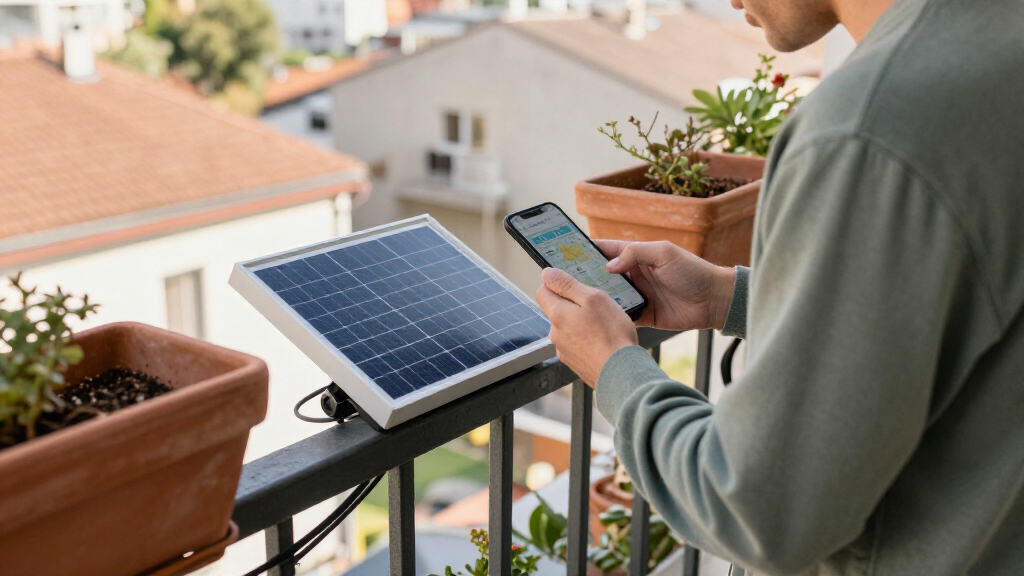
The report focuses on balcony solar kits: small systems that users can install themselves and plug into a standard household outlet. Supporters say these systems can let residents generate some electricity at home, including from a balcony, porch or backyard. The report describes state legislation as a way to set the conditions for residents to adopt the technology.
California is the latest confirmed action in the material provided. Canary Media says Newsom signed the state bill on Sept. 30, 2026. The source does not include the bill number, its detailed requirements, its effective date, or guidance on how California residents can install a system under the new law.
Beyond California, the report says lawmakers in about half of the states are considering legislation to allow plug-in solar. That figure describes proposals under consideration, not laws already passed. The supplied text does not name those states or specify how many bills have advanced, stalled or been enacted.
What California’s Law Could Change
The policy debate concerns whether residents can use small plug-in solar systems as another way to produce some of their own electricity. Supporters frame the effort around household energy affordability. If states authorize these systems, the rules they adopt could affect whether and how residents can use them, as well as what conditions apply.
The development is relevant as households face electricity costs. Bright Saver co-founder Cora Stryker told Canary Media that the issue is affordability and the challenge of meeting energy needs. That is a supporter’s explanation of the policy goal, not evidence in the supplied report that plug-in solar will lower bills by a specific amount. The source provides no cost, savings, adoption or performance data.
California’s action also gives residents and policymakers in other states a recent example to watch. But the broader outcome remains unsettled: proposals under consideration are not equivalent to enacted policy, and the supplied report does not establish that states are following a single approach.
As an affiliate, we earn on qualifying purchases.
How the State Push Is Framed
Canary Media originally published its report on April 6, 2026, and updated it on Oct. 2. The outlet says it is tracking legislative efforts using information from Bright Saver and bill-tracking databases. Its latest action listed in the supplied material is Newsom’s Sept. 30 signature.
The report describes balcony solar as do-it-yourself kits designed to connect to a standard outlet. It says boosters argue that residents can use the systems without subsidies, government incentives or utility permission. That description is attributed to supporters; the material does not independently establish that every system or installation is exempt from utility requirements, building rules or other applicable conditions.
The article’s title asks where balcony solar stands in each state, but the source text supplied here does not include the referenced map or state-by-state bill details. Readers should not infer that every state is considering a bill, or that a state has authorized the technology, based only on the national estimate.
State-by-State Details Still Missing
The supplied source material confirms California’s bill signing and gives a broad estimate that about half of states are considering legislation. It does not identify the other states, name their bills, or report each proposal’s status. The exact number of states and the basis for the estimate are not given in the excerpt.
Important details of California’s law are also absent, including when it takes effect, which systems it covers and what installation or safety requirements apply. The source does not provide data showing how much a typical household might save, how widely residents are adopting these kits, or whether utilities have raised specific concerns. Those points should not be treated as settled based on this report excerpt.
Track Bills and Implementation Rules
Canary Media says it will continue monitoring state legislative action, drawing on information from Bright Saver and bill-tracking databases. The next useful updates would identify which proposals advance, are amended, pass or fail, and whether additional governors sign them.
For California, further reporting or official state guidance will be needed to clarify the law’s effective date and practical requirements. The supplied report invites readers to send the outlet updates that are missing from its map. Until those details are available, the confirmed picture is limited to California’s Sept. 30 signing and a broad, non-specific count of states considering legislation.
Key Questions
What is the latest confirmed state action on balcony solar?
Canary Media reports that California Gov. Gavin Newsom signed a bill on Sept. 30, 2026, legalizing balcony solar in the state.
How many states are considering balcony-solar legislation?
The report says about half of U.S. states are considering legislation. The source material provided does not name those states or give an exact count.
What does balcony solar mean in this report?
It refers to do-it-yourself solar kits that can be plugged into a standard household outlet and used to generate some electricity at home.
Does California’s law mean residents can install any plug-in solar kit?
The supplied report does not give the law’s detailed requirements, effective date or covered equipment. It is not enough to determine which systems or installation conditions the law permits.
Will balcony solar reduce household electricity bills?
Supporters describe affordability as a goal, but the source provides no specific savings estimates or performance data. Actual costs and bill effects are not established in the supplied material.
Source: rss
Columbus Day / Indigenous Peoples' Day Picks
long weekend sales
As an affiliate, we earn on qualifying purchases.