
TL;DR

Get backup power and energy gear delivered free — and shop member deals
- Fast, free delivery on millions of items
- Access to Prime Big Deal Days deals on October 6–7
- Prime Video, Amazon Music and more included
Actinide, a startup specializing in nuclear materials, has become the first company to produce high-assay low-enriched uranium (HALEU). This breakthrough could impact nuclear reactor fuel supply and energy security. Details on production scale and future plans are still emerging.
Actinide, a nuclear materials startup, has confirmed it has produced high-assay low-enriched uranium (HALEU) at its facility, becoming the first company to do so commercially. This development is a notable milestone in nuclear fuel production, with potential implications for reactor safety, fuel cycle management, and energy security.
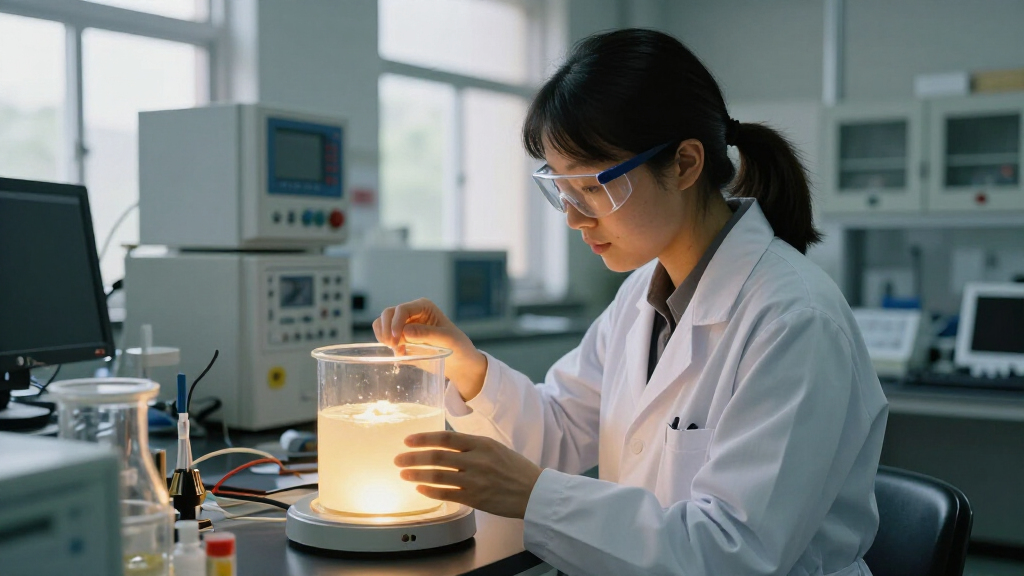
The company announced that it successfully manufactured HALEU, which contains between 5% and 20% uranium-235, at its pilot plant in the United States. This is the first time a private entity has achieved commercial-scale production of this specialized nuclear fuel, which is critical for advanced reactors and small modular reactors (SMRs).
According to Actinide’s CEO, Dr. Lisa Chen, the production process was completed using proprietary technology that ensures high purity and safety standards. The company did not disclose exact production volumes but indicated that initial batches are intended for testing and licensing purposes.
Industry analysts note that while several governments and large corporations have been working on HALEU supply chains, Actinide’s achievement marks a significant step toward diversifying sources and reducing reliance on government-controlled or overseas suppliers. The company plans to seek licensing approval from nuclear regulators shortly.
Implications for Nuclear Fuel Supply Chain
This milestone is significant because HALEU is essential for next-generation nuclear reactors, including small modular reactors (SMRs) and advanced reactors that promise greater safety, efficiency, and flexibility. Currently, most HALEU is imported or stored in government inventories, which can limit deployment timelines for new reactor designs.
By producing HALEU domestically, Actinide could help accelerate the commercialization of advanced nuclear technologies and enhance energy independence. The development also signals a potential shift in the nuclear fuel supply chain, possibly leading to increased competition and lower costs in the future.
However, the full impact depends on regulatory approvals, scaling production, and establishing long-term supply agreements.
As an affiliate, we earn on qualifying purchases.
Background on HALEU and Industry Efforts
High-assay low-enriched uranium (HALEU) has been recognized as a key component for the next wave of nuclear reactors, especially small modular reactors (SMRs) and some advanced designs that require fuel with higher enrichment levels than traditional reactors. Currently, most HALEU is produced by government agencies or large nuclear corporations, often in limited quantities.
Over the past few years, multiple countries and private companies have announced plans to develop domestic HALEU production capabilities. The U.S. Department of Energy has prioritized establishing a reliable supply chain to support domestic reactor deployment, but commercial production has remained limited until now.
Actinide’s achievement comes amid this broader industry push to diversify sources, reduce costs, and strengthen energy security. The company’s technology reportedly overcomes previous technical barriers to scaling up HALEU production outside government facilities.
“This is a historic milestone for our company and the nuclear industry. We have demonstrated that private enterprise can produce high-quality HALEU at scale, opening new opportunities for clean energy.”
— Dr. Lisa Chen, CEO of Actinide
Uncertainties About Scale and Regulatory Approval
While Actinide has confirmed initial successful production, it is not yet clear how much material they can produce at commercial scale or how quickly they will secure licensing from nuclear regulators. The impact on the global supply chain depends on future production capacity, cost competitiveness, and regulatory timelines, which remain uncertain.
Next Steps for Commercialization and Industry Adoption
Actinide plans to seek licensing approval from the Nuclear Regulatory Commission (NRC) and other relevant authorities within the coming months. The company aims to scale up production, establish supply agreements with reactor operators, and demonstrate long-term safety and quality standards. Industry observers will watch closely for regulatory decisions and potential partnerships that could accelerate deployment of HALEU-based reactors.
Key Questions
What is high-assay low-enriched uranium (HALEU)?
HALEU is uranium enriched to between 5% and 20% uranium-235, making it suitable for advanced nuclear reactors that require higher fuel performance and safety features than traditional reactors.
Why is HALEU important for the future of nuclear energy?
HALEU enables the development of next-generation reactors, including small modular reactors (SMRs), which offer safer, more flexible, and potentially more cost-effective nuclear power options.
How does Actinide’s achievement impact the nuclear industry?
Actinide’s successful production could diversify the supply chain, reduce costs, and help accelerate the deployment of advanced reactors domestically and globally.
When will Actinide begin supplying HALEU commercially?
The company is currently seeking regulatory approval and plans to scale production in the coming months, but a specific timeline for commercial supply has not yet been announced.
Are there safety concerns with HALEU production?
As with all nuclear materials, safety standards are strictly regulated. Actinide states that its process adheres to all safety and quality protocols, and regulatory approval will include safety assessments.
Source: hn
Fall Picks
fall essentials
As an affiliate, we earn on qualifying purchases.