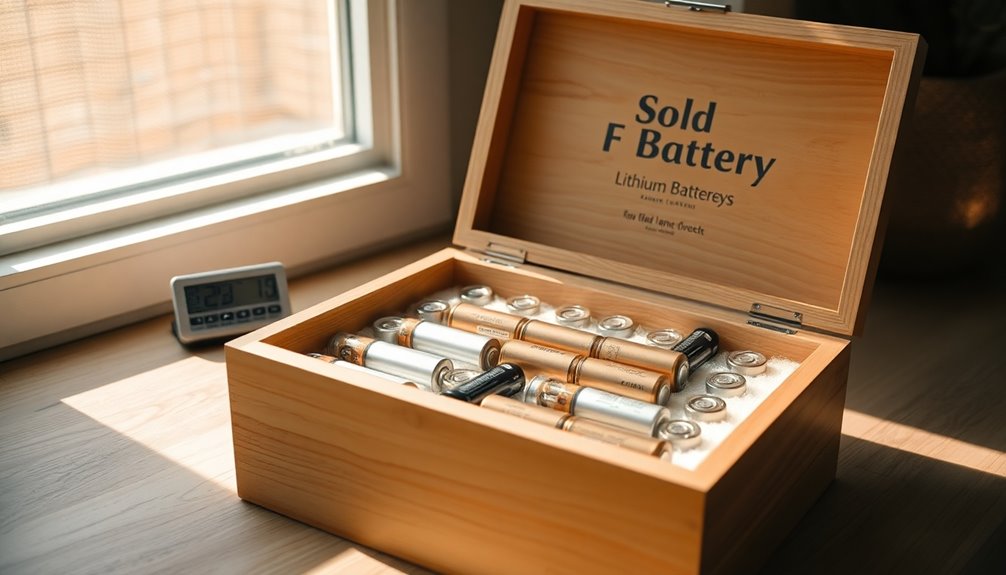
Battery leakage can severely impact your device’s long-term reliability by causing internal corrosion and damaging essential components. When corrosive substances escape, they degrade circuitry, connections, and physical parts, making your device more prone to malfunction over time. Leaked electrolyte accelerates wear and tear, potentially leading to irreversible damage. To keep your device working smoothly longer, it’s important to understand how leakage occurs and how to prevent it—stay with us to learn more about secure handling and maintenance.

Get backup power and energy gear delivered free with Prime
- Fast, free delivery on millions of items
- Prime Video, Amazon Music and more included
- Member-only deals all year
Key Takeaways
- Battery leakage causes corrosion that degrades internal components, reducing device performance over time.
- Leaked electrolyte damages circuitry, leading to increased malfunction risk and potential irreversible harm.
- Persistent leakage accelerates physical deterioration, compromising device integrity and long-term reliability.
- Regular inspection and maintenance help detect early leakage, preventing extensive damage and costly repairs.
- Using high-quality batteries and proper handling minimizes leakage, enhancing device longevity and reliability.

Battery leakage can profoundly compromise the long-term reliability of electronic devices, often leading to performance issues or complete failure. When a battery leaks, the corrosive substances escape and come into contact with internal components, causing corrosion effects that degrade circuitry and connections. This corrosion can gradually weaken the integrity of critical parts, making your device more prone to malfunctions over time. The presence of leaked electrolyte, which is typically acidic or alkaline, accelerates these corrosive processes, especially if it interacts with metal contacts or circuit boards. As a result, the device’s overall performance diminishes, and repair costs increase, sometimes rendering the device unusable.
Battery leakage damages internal components, causing corrosion, performance decline, and costly repairs.
The stability of the electrolyte inside the battery plays an essential role in long-term reliability. When the electrolyte remains stable and contained within the battery, the risk of leakage decreases notably. However, if the electrolyte begins to break down due to aging, temperature fluctuations, or manufacturing defects, the likelihood of leakage rises sharply. Once leaked, the electrolyte’s corrosive nature damages surrounding components, leading to a cascade of failures that can be hard to reverse. Over time, this damage impairs electrical conductivity, disrupts signal pathways, and causes erratic device behavior. Maintaining electrolyte stability is, consequently, vital for preventing leakage and preserving device longevity. Electrolyte stability is influenced by factors such as battery quality and proper usage conditions.
You should also recognize that once leakage occurs, the damage isn’t limited to immediate corrosion effects. The leaked substances can penetrate protective coatings and crevices, creating hidden corrosion that worsens over time. As corrosion progresses, it undermines the physical structure of internal parts, making them brittle or disconnected. This ongoing deterioration hampers the device’s ability to operate reliably, often resulting in intermittent faults or complete shutdowns. In many cases, the corrosive effects caused by leaked electrolyte can be irreversible, demanding costly repairs or replacements. Corrosion effects can also be exacerbated by environmental factors, making prevention even more crucial. Regular maintenance and careful handling can help prevent the accumulation of damage from battery leakage. Additionally, understanding the chemical composition of the electrolyte can aid in better managing and preventing leakage issues.
Preventing battery leakage starts with choosing quality batteries and storing devices properly. Regularly inspecting batteries for signs of swelling, corrosion, or leakage can help catch issues early before they cause extensive damage. Ensuring electrolyte stability by avoiding extreme temperatures and using batteries within their recommended lifespan reduces the risk of leakage. When leakage does happen, quick action—such as cleaning affected areas and replacing damaged components—can slow down corrosion effects. Ultimately, understanding the importance of electrolyte stability and taking preventive measures safeguards your device’s long-term reliability, saving you time and money in the process.
As an affiliate, we earn on qualifying purchases.
Frequently Asked Questions
Can Battery Leakage Cause Immediate Device Failure?
Yes, battery leakage can cause immediate device failure. When leaked chemicals lead to battery corrosion, they can short-circuit internal components, disrupting functionality. Chemical damage from leakage might corrode connections or circuits, making your device stop working right away. If you notice any signs of leakage, it’s best to replace the battery immediately to prevent further damage and guarantee your device keeps running smoothly.
What Are the Signs of Hidden Battery Leakage?
You might notice signs of hidden battery leakage through corrosion damage around the battery compartment or terminals. Unexplained swelling, discoloration, or a foul smell can also indicate leaks you can’t see directly. Keep an eye out for these subtle clues, as hidden leaks can lead to internal damage and long-term device failure if left unchecked. Regular inspections help catch issues early and prevent costly repairs.
How Often Should Batteries Be Checked for Leakage?
Think of your batteries as ticking time bombs—you need to check them regularly. You should inspect for leakage at least once a month, especially if they’re in constant use or stored in hot environments. Regular checks help extend battery lifespan and prevent damage. Follow maintenance tips like keeping terminals clean and storing batteries properly. Staying vigilant now guarantees your devices stay powered when you need them most.
Does Battery Leakage Affect All Types of Batteries Equally?
Battery leakage doesn’t affect all types equally; it depends on the battery chemistry. For example, alkaline batteries are more prone to leakage over time, while lithium batteries are less likely to leak but can still do so if damaged. To minimize leakage, you should follow leakage prevention tips, like storing batteries properly and checking them regularly. Understanding your battery type helps you take better care and avoid potential damage caused by leakage.
Are There Long-Term Health Risks From Exposure to Leaked Batteries?
Yes, long-term health risks from exposure to leaked batteries exist. Battery toxicity can pose serious health hazards if you touch or inhale leaked chemicals, which may cause skin irritation, respiratory issues, or more severe health problems over time. Additionally, leaked battery chemicals can lead to environmental contamination, affecting water and soil. To protect yourself, handle leaking batteries with care, dispose of them properly, and avoid direct contact with leaked substances.
Conclusion
While a fresh battery delivers power and promise, leakage tells a different story—one of corrosion and potential failure. You might enjoy the convenience today, but tomorrow’s reliability could be compromised by silent damage. Just as a vibrant future depends on a strong foundation, your device’s longevity hinges on preventing leaks now. Don’t ignore the warning signs; safeguarding your long-term reliability means choosing prevention over repair, ensuring that what powers you today continues to serve tomorrow.
Halloween Picks
halloween
As an affiliate, we earn on qualifying purchases.