TL;DR
A hiker used a personal cooling system to prevent overheating on summer hikes. The device proved effective, offering a new solution for outdoor safety. Details about the system’s design and broader adoption remain unclear.
A hiker reported that a personal cooling system helped prevent overheating during a summer hike, emphasizing its potential as a safety aid for outdoor enthusiasts. The device’s effectiveness was confirmed through personal experience, raising interest in its wider use.

Get backup power and energy gear delivered free with Prime
- Fast, free delivery on millions of items
- Prime Video, Amazon Music and more included
- Member-only deals all year
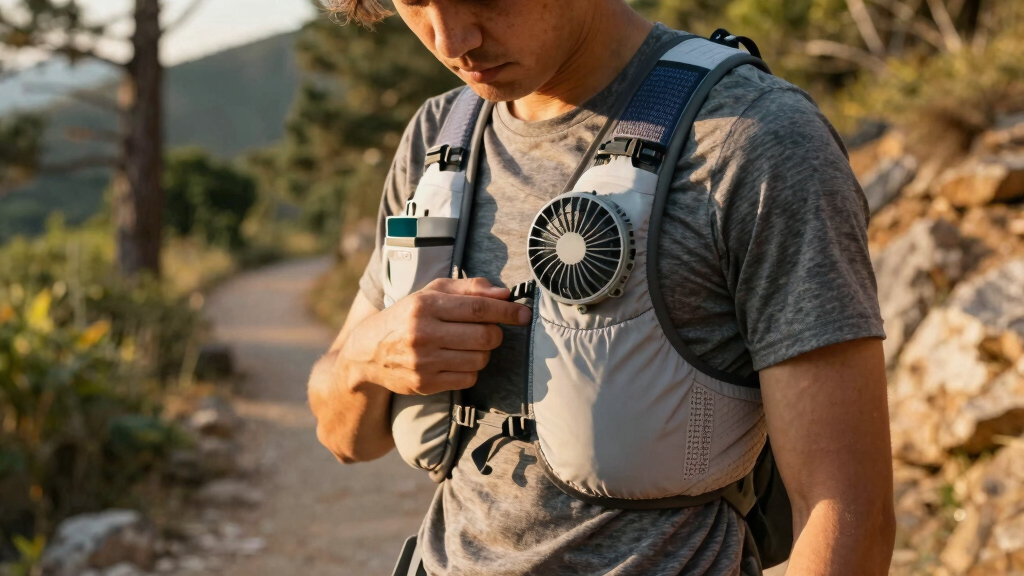
The hiker, who wishes to remain anonymous, described using a portable cooling device that actively cools the body during strenuous outdoor activity. According to the account, the device maintained the hiker’s body temperature and prevented symptoms of heat exhaustion, which are common during high-temperature hikes.
While specific details about the cooling system’s design—such as whether it uses evaporative cooling, ice packs, or advanced technology—were not disclosed, the user emphasized that it was lightweight and easy to carry. The device reportedly provided continuous cooling for several hours, allowing the hiker to complete their journey without overheating or needing to rest excessively.
Experts in outdoor safety and cooling technology have noted that personal cooling devices are gaining interest among hikers and outdoor workers, though formal studies on their effectiveness are limited. This account adds anecdotal evidence supporting their potential benefits in real-world conditions.
Potential Impact on Outdoor Safety Practices
This account highlights the potential for personal cooling devices to enhance safety during summer outdoor activities. If proven effective on a larger scale, such devices could reduce heat-related illnesses among hikers, runners, and outdoor workers, especially in regions experiencing rising temperatures due to climate change. Widespread adoption could lead to new safety guidelines and innovative outdoor gear development.
Products Worth Considering

Sonos Roam (Gen 1) Portable Smart Speaker, White

Jackery Explorer 1000 v2 Portable Power Station, 1024Wh LiFePO4 Battery

Jackery Explorer 300 Portable Power Station, 292Wh
As an affiliate, we earn on qualifying purchases.
Rise of Personal Cooling Technologies for Outdoor Use
Over recent years, there has been increasing interest in portable cooling solutions designed for outdoor activities. Some products, such as cooling towels and wearable fans, have gained popularity, but their effectiveness varies. The recent personal cooling device used by the hiker remains largely unstudied in scientific research, though anecdotal reports suggest promising results. This development comes amid broader concerns about heat safety during outdoor recreation, especially as heatwaves become more frequent and intense.
“The cooling system kept me comfortable and prevented the usual fatigue I get when it’s hot. I felt energized and safe throughout the hike.”
— the hiker
Unverified Effectiveness and Broader Adoption Challenges
It is not yet clear how widely effective the cooling device is across different users and conditions. Scientific validation, such as controlled studies and larger sample sizes, is lacking. Additionally, questions remain about the device’s durability, cost, and accessibility for the general public. The anecdotal nature of this account means broader claims about its efficacy should be approached cautiously.
Further Testing and Development of Personal Cooling Devices
Researchers and outdoor gear companies are expected to conduct formal studies to evaluate the effectiveness of personal cooling systems. Manufacturers may also improve device designs based on user feedback. Meanwhile, outdoor safety organizations might consider including such devices in recommended safety equipment lists, pending validation. The next step involves broader testing to determine if these devices can become standard safety tools for outdoor activities.
Key Questions
How does the personal cooling system work?
The specific technology used in the device was not detailed, but it is described as a portable system that actively cools the body, potentially through evaporative cooling, ice packs, or advanced cooling materials.
Is this device commercially available?
The account does not specify whether the device is available for purchase or still in development. Further information from manufacturers or product reviews is needed.
Can personal cooling devices replace traditional hydration and rest?
No, they are intended as supplementary tools to help manage body temperature. Proper hydration, rest, and heat safety protocols remain essential.
What are the limitations of personal cooling systems?
Limitations may include limited cooling duration, effectiveness in extreme heat, cost, and user comfort. Scientific validation is also required to establish their reliability.
Will outdoor safety guidelines recommend personal cooling devices?
It is too early to say. As more research is conducted, safety organizations may consider including them in recommended gear, but current guidelines emphasize hydration and rest as primary measures.
Source: rss