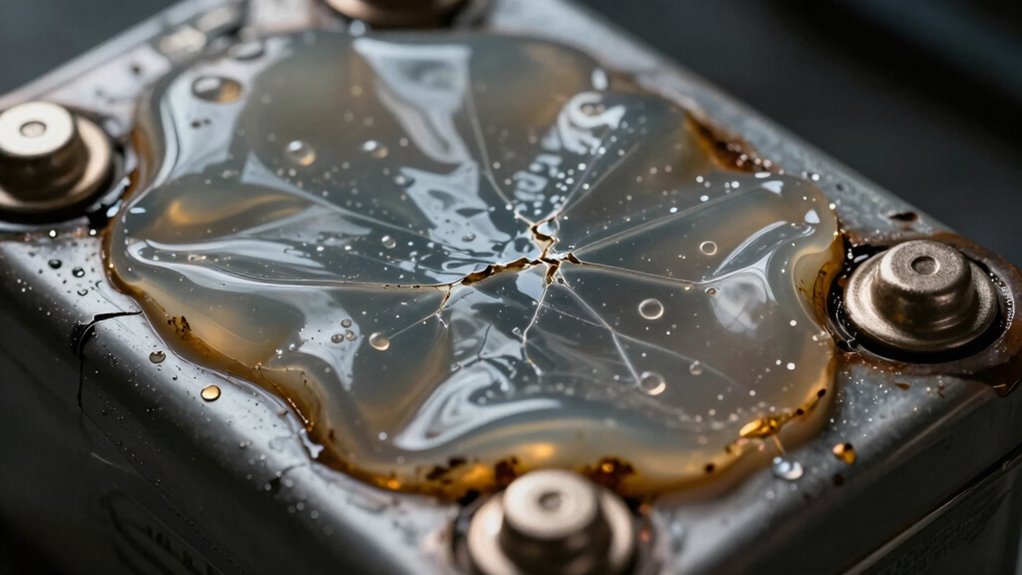
Improper charging of gel batteries can cause serious damage. Overcharging generates excessive heat and gas buildup, which can crack the gel electrolyte, dry it out, or cause internal damage, leading to capacity loss and safety risks like leaks or explosions. Undercharging prevents essential chemical reactions, reducing performance and lifespan. Both issues weaken internal components and increase internal resistance. To avoid these problems, follow proper charging practices—there’s a lot more to guarantee your gel battery stays safe and efficient.

Get backup power and energy gear delivered free with Prime
- Fast, free delivery on millions of items
- Prime Video, Amazon Music and more included
- Member-only deals all year
Key Takeaways
- Overcharging causes heat and gas buildup, damaging the gel electrolyte and internal structure.
- Undercharging leads to sulfation, reducing capacity and shortening battery lifespan.
- Excess voltage can break down the electrolyte, resulting in gas generation and safety risks.
- Insufficient voltage prevents necessary chemical reactions, impairing performance.
- Improper charging accelerates internal damage, decreasing efficiency and increasing safety hazards.
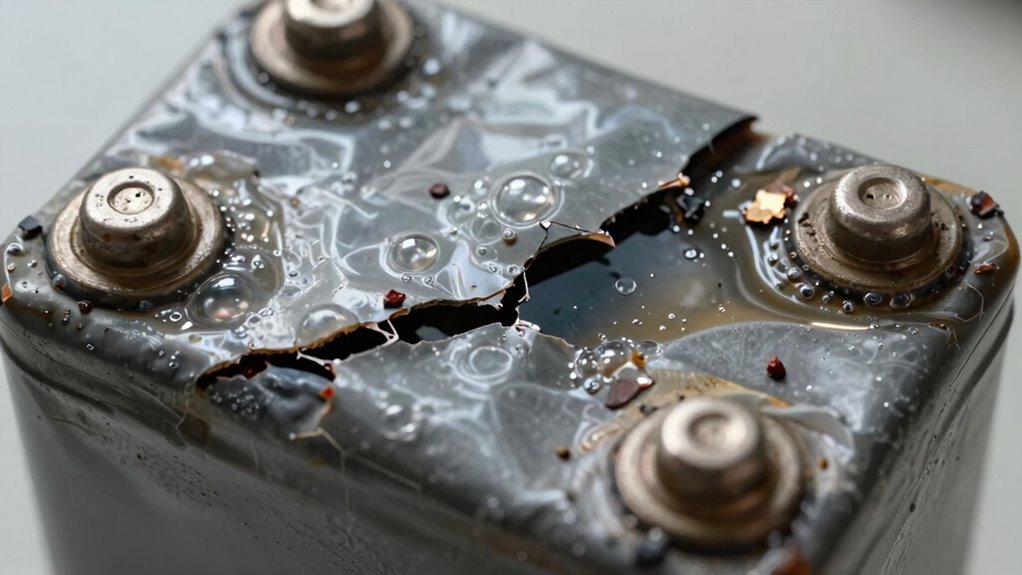
Have you ever wondered how improper charging can damage gel batteries? It’s a common concern, especially since gel batteries are known for their stability and long lifespan when maintained correctly. But neglecting proper battery maintenance and ignoring charging safety protocols can lead to serious issues. When you don’t follow the right charging procedures, you risk overcharging or undercharging, which can cause irreversible damage to the internal structure of the battery. Overcharging produces excessive heat and gas buildup, damaging the gel matrix and causing the battery to lose its capacity over time. Conversely, undercharging prevents the battery from reaching its full potential, leading to sulfation and reduced overall performance.
Understanding how gel batteries react to improper charging emphasizes the significance of adhering to specific guidelines. Unlike flooded lead-acid batteries, gel batteries are more sensitive to charging voltages and current levels. Applying a voltage that’s too high can cause the electrolyte to break down, resulting in gas generation and potential leakage. This not only diminishes the battery’s lifespan but also creates safety hazards. On the other hand, insufficient charging prevents the chemical reactions necessary for ideal energy storage, which weakens the battery and shortens its service life. Proper battery maintenance is essential to avoid these issues. Always use a charger designed specifically for gel batteries, as they are engineered to deliver the correct voltage and current. Regularly monitor your battery’s charge levels and never leave it connected to a charger beyond the recommended time. Overcharging can cause the gel electrolyte to dry out or crack, leading to internal damage. Many modern chargers come with automatic shut-off features that help maintain charging safety, preventing these mistakes. If you ignore these safety features and fail to follow the recommended charging procedures, you increase the risk of damaging the delicate gel structure, which can result in reduced capacity, increased internal resistance, and potential failure. Additionally, understanding the importance of correct charging practices can significantly extend the lifespan of your gel batteries. Having a solid grasp of battery chemistry is crucial for preventing damage caused by improper charging. Being aware of charging safety protocols can help you avoid costly repairs and ensure your battery operates safely and efficiently. Proper education about battery maintenance can further help prevent damage and optimize performance over time. Recognizing the signs of overcharging can also help you take immediate action to protect your investment.
As an affiliate, we earn on qualifying purchases.
Frequently Asked Questions
Can Gel Batteries Be Safely Charged With a Standard Lead-Acid Charger?
You can’t safely charge gel batteries with a standard lead-acid charger because it may compromise battery durability and pose charging safety risks. Gel batteries require a specialized charger with a controlled, lower voltage and proper charging algorithms. Using the right charger helps maintain peak performance and longevity, preventing overcharging or damage. Always choose a charger designed specifically for gel batteries to guarantee safe, efficient charging and to protect your investment.
How Long Does It Take to Fully Recharge a Gel Battery?
Like filling an ancient vessel, recharging a gel battery takes patience. Typically, it takes about 4 to 8 hours to fully recharge, depending on the charger’s power and the battery’s capacity. Proper charging guarantees you maximize battery lifespan and charging efficiency. Rushing the process can cause damage, much like overfilling a delicate vessel, reducing the battery’s overall health and longevity.
What Is the Optimal Charging Voltage for Gel Batteries?
You should charge gel batteries at an ideal voltage of about 13.8 to 14.4 volts to guarantee electrolyte stability and maximize charging efficiency. Maintaining this voltage range prevents overcharging, which can cause gassing and damage, and undercharging, which hampers performance. Regularly monitoring and sticking to this recommended voltage helps keep your gel battery functioning safely and efficiently, extending its lifespan and ensuring reliable power delivery.
How Does Temperature Affect Gel Battery Charging Performance?
Worried about temperature affecting your gel battery? Don’t overlook it—temperature plays a key role in charging efficiency. When the battery gets too hot, it risks overheating, leading to reduced performance or damage. Proper battery cooling and temperature regulation help maintain ideal charging conditions, ensuring your gel battery lasts longer and performs better. Keep it cool and stay in control to maximize your battery’s lifespan and reliability.
Are There Signs Indicating a Gel Battery Has Been Overcharged?
Yes, overcharged gel batteries show signs you should notice during battery maintenance. You might see swelling, excessive heat, or a foul smell, indicating overcharging. Also, a decrease in capacity or faster self-discharge suggests charging safety issues. If you observe these signs, stop charging immediately, and check the charger settings. Proper maintenance and cautious charging practices help prevent damage, prolong battery life, and guarantee safe operation.
Conclusion
If you don’t charge gel batteries properly, you risk damaging their lifespan and performance. Studies show that improper charging can reduce a gel battery’s lifespan by up to 50%, meaning you’ll need replacements sooner and spend more. To keep your battery in top shape, always follow manufacturer guidelines and use the correct charger settings. Proper charging not only extends your battery’s life but also saves you money and hassle in the long run.
Halloween Picks
halloween
As an affiliate, we earn on qualifying purchases.