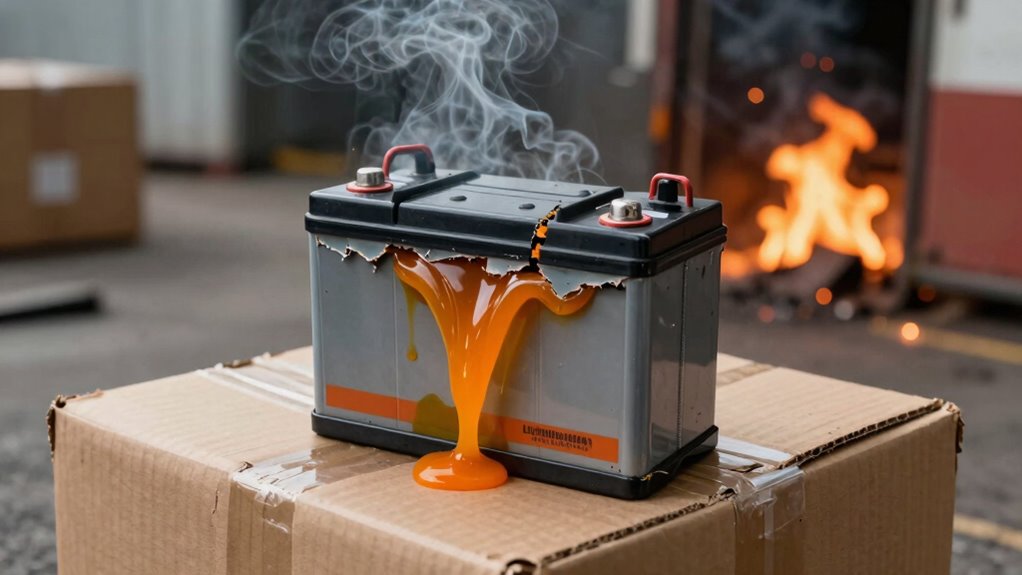

Shipping damaged batteries the wrong way can lead to serious safety hazards like fires, explosions, and environmental damage. Damaged lithium-ion batteries may leak, short circuit, or ignite if not properly contained and labeled. Improper packaging and handling increase these risks during transit, potentially putting everyone around you in danger. To avoid these dangers and guarantee safe, compliant transport, it’s essential to follow proper procedures. Continue to learn more about how to keep yourself and others safe.

Get backup power and energy gear delivered free — and shop member deals
- Fast, free delivery on millions of items
- Access to Prime Big Deal Days deals on October 6–7
- Prime Video, Amazon Music and more included
Key Takeaways
- Improper shipping can cause fires, explosions, and environmental hazards due to battery leaks or short circuits.
- Inadequate containment increases the risk of mechanical damage and accidental ignition during transit.
- Not following regulations leads to legal penalties, shipment delays, and safety violations.
- Poor labeling and packaging prevent handlers from recognizing hazards, increasing accident risk.
- Lack of proper training and emergency preparedness worsens safety outcomes during mishaps.
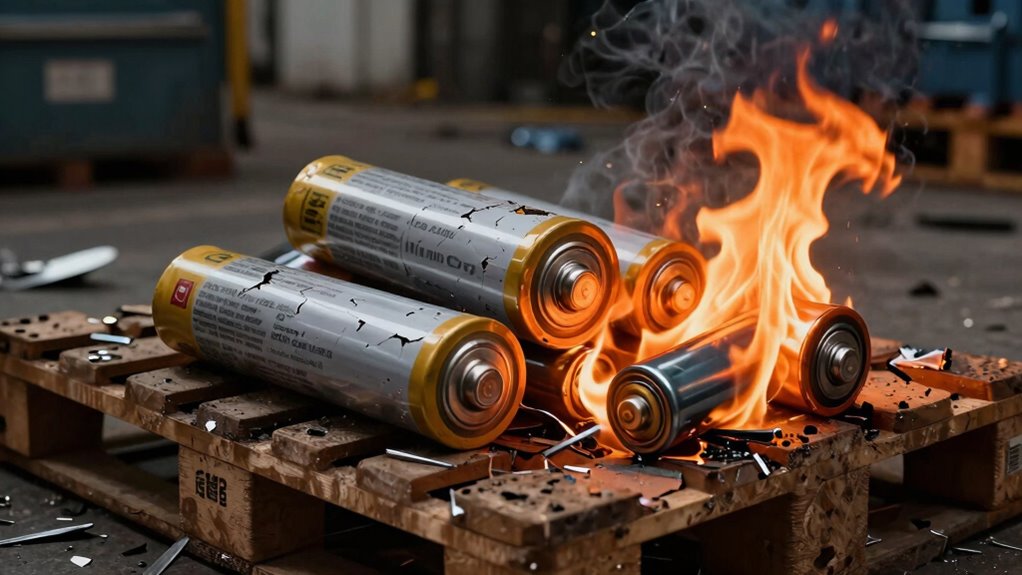
Shipping damaged batteries poses considerable safety risks that can lead to fires, explosions, and environmental hazards. When you handle or transport compromised batteries improperly, you put not just yourself but everyone around you at serious risk. The danger stems from the fact that damaged batteries, especially lithium-ion types, can leak, short circuit, or ignite if not managed correctly. To prevent disasters, you must pay close attention to battery containment and adhere strictly to shipping regulations. Proper battery containment involves using designated containers that are specifically designed to prevent leaks and contain potential fires. These containers are often made of flame-resistant materials and are equipped with cushioning to minimize mechanical damage during transit. Ensuring that damaged batteries are securely contained reduces the risk of accidental shorts or punctures that could trigger dangerous reactions. Additionally, understanding the hazardous materials regulations is crucial to ensuring all safety standards are met during shipping. Shipping regulations are in place precisely to mitigate these hazards. These rules specify how damaged batteries should be packaged, labeled, and documented before shipment. You need to follow these regulations meticulously, whether you’re sending batteries domestically or internationally. Failing to comply can result in hefty fines, delays, or even legal action, but more critically, it can lead to accidents that threaten lives and the environment. Regulations often mandate that damaged batteries be labeled clearly as hazardous materials, with appropriate markings indicating their condition. This ensures handlers are aware of the risks and take extra precautions. Additionally, shipping damaged batteries often requires special documentation, such as safety data sheets or declarations, that inform carriers of the potential dangers involved. You should never overlook the importance of proper packaging when shipping damaged batteries. Using non-conductive, corrosion-resistant materials helps prevent unintended electrical contact that could cause a fire. Proper training on handling damaged batteries, understanding shipping regulations, and using the right containment methods are essential steps to protect everyone involved. It is also beneficial to stay updated on the latest safety standards related to hazardous material transportation to ensure compliance. Staying informed about emergency procedures can be critical in case of accidents during transit. Being aware of the latest safety protocols can help mitigate risks effectively. Shipping damaged batteries the wrong way can have devastating consequences, but by paying close attention to battery containment and adhering to shipping regulations, you markedly reduce the risk of accidents. Always prioritize safety, follow the rules, and ensure your packaging is up to standard to minimize hazards during transportation.
fire-resistant battery containment container
As an affiliate, we earn on qualifying purchases.
As an affiliate, we earn on qualifying purchases.
Frequently Asked Questions
What Are the Legal Penalties for Improper Battery Shipping?
If you ship damaged batteries improperly, you could face hefty legal penalties, including fines and regulatory actions. Violating battery safety and shipping regulations exposes you to criminal charges and liability for damages or injuries. Authorities enforce strict rules to prevent accidents, and non-compliance can delay shipments or lead to confiscation. Always follow proper shipping regulations to stay compliant, protect others, and avoid legal consequences.
How Do I Identify if a Battery Is Dangerously Damaged?
You can identify a dangerously damaged battery by examining its interior for signs of corrosion or leaks and checking for visible cracks or bulges on the exterior. If the battery emits a foul odor, shows any swelling, or has a broken seal, it’s unsafe. Always handle with care, avoid using if you notice any damage, and follow proper disposal procedures to prevent hazards during shipping.
Can Damaged Batteries Be Recycled Safely?
Yes, damaged batteries can be recycled safely if you follow proper battery disposal procedures. You should take them to a certified recycling facility that handles lithium or other battery types, as they follow a safe recycling process. Never throw damaged batteries in the trash, as they pose fire and environmental risks. By ensuring proper disposal, you help prevent hazards and support environmentally friendly recycling efforts.
What Special Labeling Is Required for Shipping Damaged Batteries?
When shipping damaged batteries, you must follow specific labeling standards to guarantee safety. Use clear, visible labels that indicate “Damaged Battery” or “Potentially Hazardous.” Additionally, proper battery containment is essential to prevent leaks or short circuits during transit. These labels help handlers identify the risks and handle the package appropriately, reducing safety hazards. Always check current regulations to guarantee your shipping practices comply with industry standards.
Are There Specific Insurance Considerations for Shipping Damaged Batteries?
Think of shipping damaged batteries as steering through a minefield—you need the right insurance to avoid unexpected explosions. You should check your battery storage and confirm your insurer covers potential damages, especially since shipping regulations tighten for damaged batteries. Some policies exclude damage-related claims, so verify coverage beforehand. Understanding these insurance considerations helps you stay compliant and protected, preventing costly surprises if something goes wrong during transit.
Conclusion
Shipping damaged batteries the wrong way can lead to serious safety hazards, environmental harm, and costly consequences. You don’t want to be caught off guard when things go south, so always follow proper guidelines and handle batteries with care. Remember, a stitch in time saves nine—address issues promptly to prevent bigger problems down the road. Taking the right precautions now guarantees you stay on the right side of safety regulations and avoid unnecessary trouble.
Fall Picks
fall essentials
As an affiliate, we earn on qualifying purchases.