Many believe grounding in DC systems is optional, but neglecting proper grounding can cause inverter failures, safety risks, and equipment damage. Grounding provides a stable reference point, prevents electrical noise, and safely directs fault currents. Without it, you risk system instability, shocks, or fires. Proper grounding follows safety standards and protects your investment. Keep exploring to discover how correct grounding practices can secure your system and prevent costly breakdowns.

Get backup power and energy gear delivered free with Prime
- Fast, free delivery on millions of items
- Prime Video, Amazon Music and more included
- Member-only deals all year
Key Takeaways
- Improper or missing grounding can cause electrical noise and transient voltages that damage inverters.
- Grounding provides a stable reference point, preventing voltage spikes that may break inverter components.
- Neglecting proper grounding routes fault currents safely, reducing the risk of inverter failure and safety hazards.
- Inadequate grounding can lead to electromagnetic interference, disrupting inverter operation and causing malfunctions.
- Following correct grounding practices ensures inverter stability, longevity, and compliance with electrical safety standards.
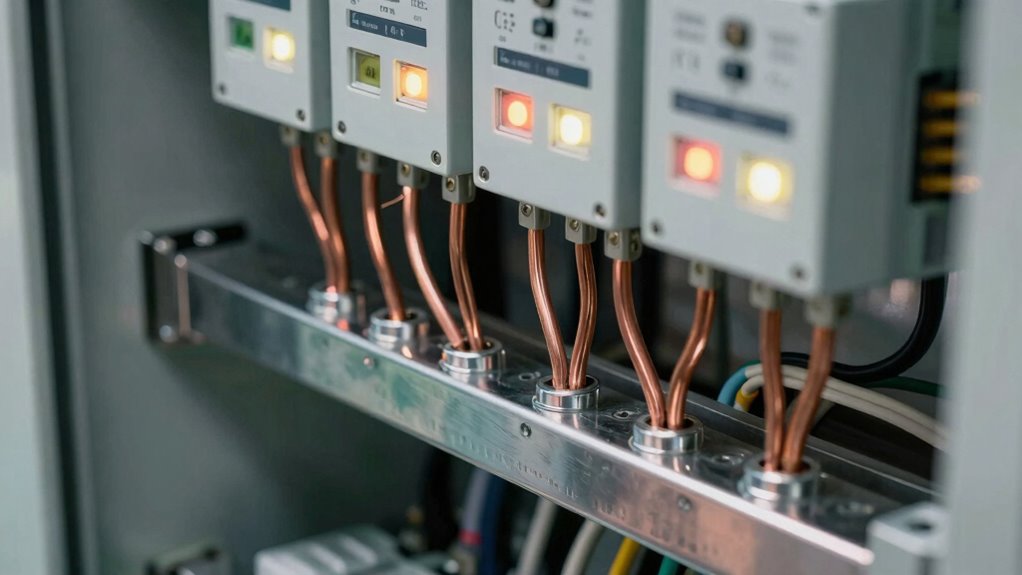
Grounding in DC systems is vital for ensuring safety, protecting equipment, and maintaining system stability. When working with batteries and inverters, proper grounding practices are critical to prevent electrical hazards and equipment damage. A common misconception is that grounding is optional or only necessary in AC systems, but in DC setups, neglecting it can lead to serious issues, especially with inverter grounding. If your inverter isn’t properly grounded, it can become a source of shock risk, damage sensitive electronics, and cause system malfunctions. Proper inverter grounding ensures a safe path for fault currents, reducing the risk of electric shock and helping protect your entire system.
Proper inverter grounding is essential for safety, system stability, and protecting electronics in DC systems.
Battery safety is closely tied to grounding practices. Batteries store significant energy, and improper grounding can lead to dangerous situations like sparks, fires, or even explosions. When batteries aren’t correctly grounded, stray currents can build up, increasing the likelihood of short circuits and thermal runaway. You need to certify that the battery bank is grounded to a common reference point, following manufacturer guidelines and electrical codes. Doing so minimizes the risk of dangerous voltage potentials and guarantees that any fault currents have a safe route to earth ground. Battery safety isn’t just about preventing immediate hazards — it also guarantees the longevity of your batteries and maintains system reliability.
Inverter grounding plays a vital role in system stability. Many people assume that inverters don’t need grounding because they convert DC to AC, but that’s a dangerous misconception. Inverter grounding provides a reference point for the system’s voltage, which helps prevent unwanted electrical noise and interference. It also guarantees that in the event of a fault, the inverter can safely redirect current to ground without causing damage or posing a risk to users. When you properly ground your inverter, you’re creating a stable electrical environment that reduces electromagnetic interference (EMI) and guarantees your system operates smoothly and safely. Proper grounding practices also ensure compliance with electrical standards and help prevent system malfunctions.
Neglecting grounding in DC systems, especially with batteries and inverters, can lead to costly repairs, safety hazards, and system downtime. It’s not enough to just connect components; you must follow proper grounding procedures, use appropriate grounding conductors, and adhere to electrical standards. This isn’t just about compliance — it’s about safeguarding your investment and your safety. By understanding that inverter grounding and battery safety are fundamental parts of a grounded DC system, you can prevent myth-based assumptions and guarantee your setup remains reliable and secure for years to come.
As an affiliate, we earn on qualifying purchases.
Frequently Asked Questions
Can Grounding Prevent Inverter Failure During Power Surges?
Yes, grounding can help prevent inverter failure during power surges by offering lightning protection and reducing the risk of ground faults. When your system is properly grounded, it directs excess energy safely into the earth, minimizing voltage spikes that could damage your inverter. This proactive approach safeguards your equipment, prevents costly repairs, and ensures a reliable power supply during unexpected surges, keeping your system running smoothly and safely.
What Are the Risks of Improper Grounding in DC Systems?
Improper grounding in DC systems can pose serious safety concerns and lead to equipment damage. Grounding myths often cause confusion, but neglecting proper grounding increases the risk of electric shock, fires, and inverter failures. You should make sure your system is correctly grounded to prevent these issues. Proper grounding helps protect both your equipment and personal safety, dispelling myths that might make you overlook this essential step in system maintenance.
How Does Grounding Affect System Efficiency?
Grounding improves your system efficiency by reducing ground loops that can cause interference and power loss. Proper grounding minimizes noise, ensuring your components operate smoothly and reliably. When you establish a solid ground connection, you prevent voltage fluctuations that waste energy and reduce performance. This not only enhances efficiency but also protects your equipment from potential damage caused by electrical noise and instability, keeping your system running at its best.
Are There Industry Standards for Grounding in DC Setups?
Ever wonder if industry standards exist for grounding in DC setups? They do, and they cut through grounding myths to make sure safety and efficiency. You should follow established grounding practices like UL and NEC standards, which specify proper grounding methods for DC systems. These standards help prevent faults and equipment damage, so don’t ignore them—adhering to them keeps your system reliable and safe from grounding myths that can cause serious issues.
Can Grounding Eliminate All DC System Faults?
Grounding can’t eliminate all DC system faults, but it substantially improves fault detection and safety protocols. Proper grounding helps quickly identify issues like ground faults, reducing risk and preventing damage. However, some faults, such as component failures or wiring issues, may still occur despite grounding. Consequently, maintaining regular inspections and adhering to industry standards are essential for thorough safety and effective fault management in DC systems.
Conclusion
Imagine grounding in DC systems as tending a delicate garden. If you ignore the roots, pests can invade, and the entire system suffers. Mythical beliefs about grounding often leave you vulnerable, like neglecting those roots. By understanding the truth, you protect your investment and keep everything thriving. Don’t let misconceptions be the weeds that choke your system’s growth—nurture it with proper grounding, and watch it flourish safely and reliably.
Halloween Picks
halloween
As an affiliate, we earn on qualifying purchases.