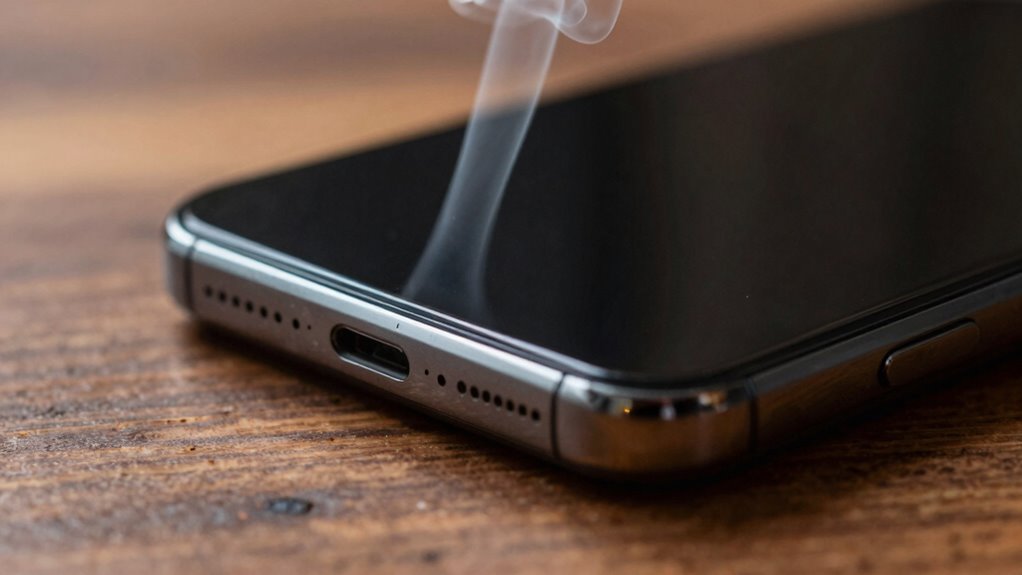

A burning smell during charging usually indicates overheating or an electrical issue, such as a damaged battery or port, dust, dirt, or debris causing shorts. You might notice your device feeling hot, the battery swelling, or visible signs of damage. Ignoring this smell can lead to fire hazards or permanent damage. It’s essential to disconnect your device immediately and examine it carefully. If you want to understand what steps to take next, keep exploring the causes and solutions.
Get ready for Prime Big Deal Days — try Prime free
Exclusive member deals on October 6–7, plus fast free delivery. Cancel anytime.
As an affiliate, we earn on qualifying purchases.
Key Takeaways
- A burning smell indicates potential battery overheating or internal chemical breakdown, risking fire or device damage.
- Damage or debris in the charging port can cause poor connections, leading to overheating and a burning odor.
- Ignoring the smell may result in permanent internal damage, electrical faults, or device failure.
- Immediate disconnection and inspection are essential if a burning smell is detected during charging.
- Regular maintenance and avoiding forceful cable insertion can prevent overheating and associated odors.

Have you ever noticed a burning smell while your device is charging? That scent isn’t something to ignore. It’s a clear sign that something’s off inside your device, and you need to take action before it gets worse. One common cause is battery overheating. When the battery gets too hot, it can emit a burning odor as the chemicals inside start to break down or malfunction. Overheating batteries are dangerous because they can lead to swelling, leaks, or even fires. If you feel your device heating up excessively during charging, it’s a red flag, and you should disconnect it immediately and stop using it until you figure out the problem.
Another frequent culprit behind that burning smell is charging port damage. Over time, dust, dirt, or debris can accumulate in the port, causing poor connections or short circuits. If the charging port is damaged—perhaps from bending the cable or inserting it forcefully—you might notice sparks or a burning smell. Damage to the port can lead to electrical faults that generate heat, which then produces that unmistakable burnt odor. You might also see visible signs like charring or discoloration around the port. Ignoring these signs can escalate the damage, making your device even more prone to overheating and further electrical issues. Additionally, charging port damage can sometimes be caused by improper handling or wear and tear over time.
It’s crucial you don’t dismiss the smell or continue charging your device in this state. Continuing to charge a device with a damaged port or an overheating battery increases the risk of fire or permanent damage to internal components. First, try to identify if the smell is coming directly from the charging port or the device’s body. If it’s the port, see if it looks damaged or dirty. Sometimes, cleaning out dust or debris can help, but if you notice corrosion or physical damage, it’s best to replace the port or have a professional do it for you. If the smell seems to be coming from the battery area, and the device feels unusually warm, turn it off immediately and avoid charging it until you get it checked out. electrical faults can develop quickly if the underlying issues aren’t addressed promptly.
Furthermore, poor ventilation can exacerbate overheating issues, especially in environments with high ambient temperatures, making it even more important to ensure proper airflow around your device. Proper maintenance and awareness of device health can help prevent these dangerous situations.
smartphone charging port cleaning kit
As an affiliate, we earn on qualifying purchases.
As an affiliate, we earn on qualifying purchases.
Frequently Asked Questions
Can a Burning Smell Indicate a Battery Malfunction?
Yes, a burning smell can indicate a battery malfunction. It often points to battery deterioration or an electrical short, both of which are serious issues. When you notice this smell, stop charging immediately to prevent further damage or potential hazards. The smell suggests overheating or internal damage, which could lead to a fire or device failure. Seek professional help to inspect and replace the battery if necessary.
Is It Safe to Continue Charging With a Burning Smell?
No, it’s not safe to continue charging when you notice a burning smell. The smell often indicates battery overheating or charging port damage, which could lead to a fire or further damage. You should unplug your device immediately, avoid using it until checked, and consider replacing the battery or getting the charging port inspected. Continuing to charge could put you at risk, so prioritize safety first.
How Often Should I Check My Charger for Issues?
You should check your charger regularly, ideally once a month, to guarantee its durability and electrical safety. Frequent inspections help catch signs of wear, fraying, or damage early, reducing fire risks or electrical hazards. Always unplug the charger before examining it, look for exposed wires or melting parts, and replace it if you notice any issues. Staying vigilant keeps your devices safe and prolongs your charger’s lifespan.
What Are the Long-Term Risks of Ignoring a Burning Smell?
Ignoring a burning smell during charging is like ignoring sparks in a dry forest—you risk fire hazards and severe electrical damage. Over time, the heat can weaken wiring, cause battery malfunctions, or even lead to fires. Don’t dismiss it; persistent neglect can turn a small issue into a costly disaster. Always address burning smells promptly to protect your device and safety, preventing long-term damage and potential hazards.
Can Using Third-Party Chargers Cause Burning Smells?
Using third-party chargers can cause burning smells if they’re not compatible with your device. Poor charger compatibility increases overheating dangers, which can damage your device’s battery or internal components. Always check that the charger matches your device’s specifications and quality standards. Avoid cheap or uncertified chargers, as they often lack proper safety features, leading to overheating and potentially dangerous burning smells during charging.
Conclusion
If you notice a burning smell while charging your device, don’t ignore it. It could be a sign of overheating or faulty wiring, which might lead to a fire. While some theories suggest it’s just dust burning off or normal wear, it’s better to be cautious. Disconnect your device immediately and get it checked by a professional. Trust your instincts—safety first. Addressing the issue promptly could save you from costly damage or injury.
Fall Picks
fall essentials
As an affiliate, we earn on qualifying purchases.