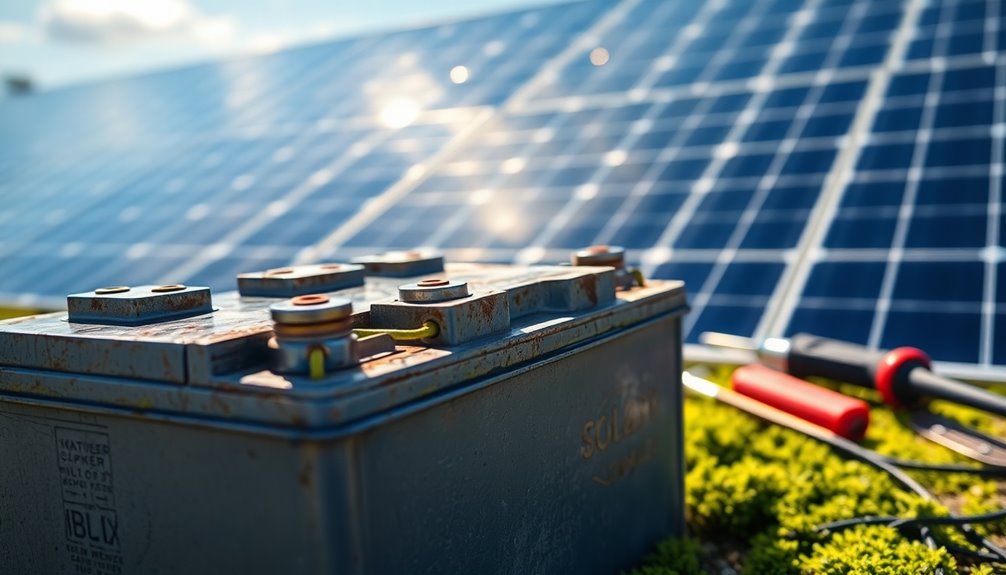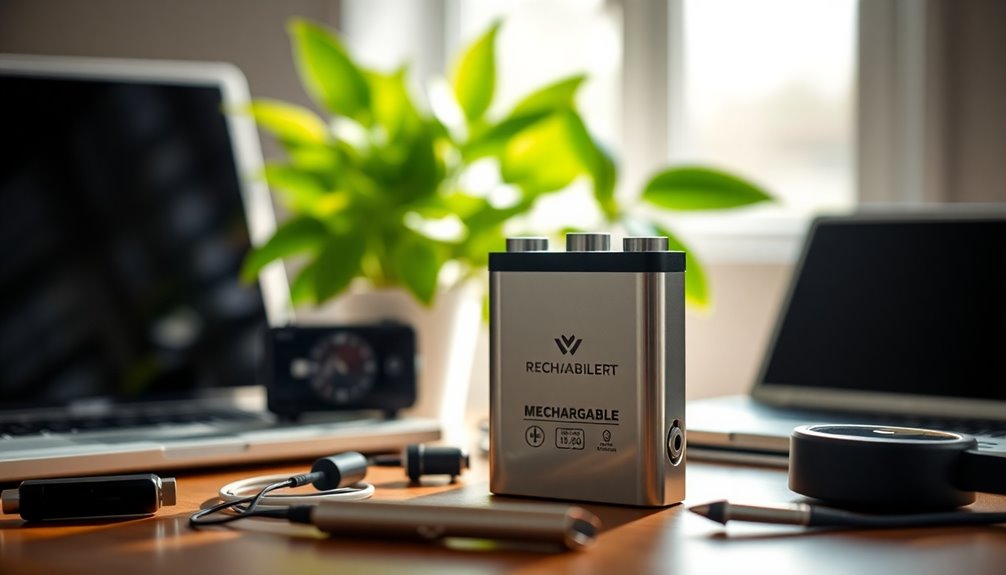
Understanding different battery types helps you handle and recondition them properly. Lithium-ion batteries need balancing and capacity management, while lead-acid batteries can often be reconditioned through sulfation removal and electrolyte replacement. Nickel-cadmium batteries may require deep cycling to restore function. Knowing these needs guarantees safe handling, extends battery life, and promotes eco-friendly disposal. If you keep exploring, you’ll gain even more insights into reconditioning techniques and safety guidelines for each battery type.
Key Takeaways
- Different batteries (lithium-ion, nickel-cadmium, lead-acid) have unique chemical compositions affecting reconditioning methods.
- Lead-acid batteries can often be reconditioned by removing sulfation and replacing electrolytes.
- Lithium-ion batteries require balancing cells and capacity management for effective reconditioning.
- Nickel-cadmium batteries can be reconditioned through deep cycling or controlled discharging.
- Safety guidelines and proper handling are essential during reconditioning due to hazardous materials and sensitivity.
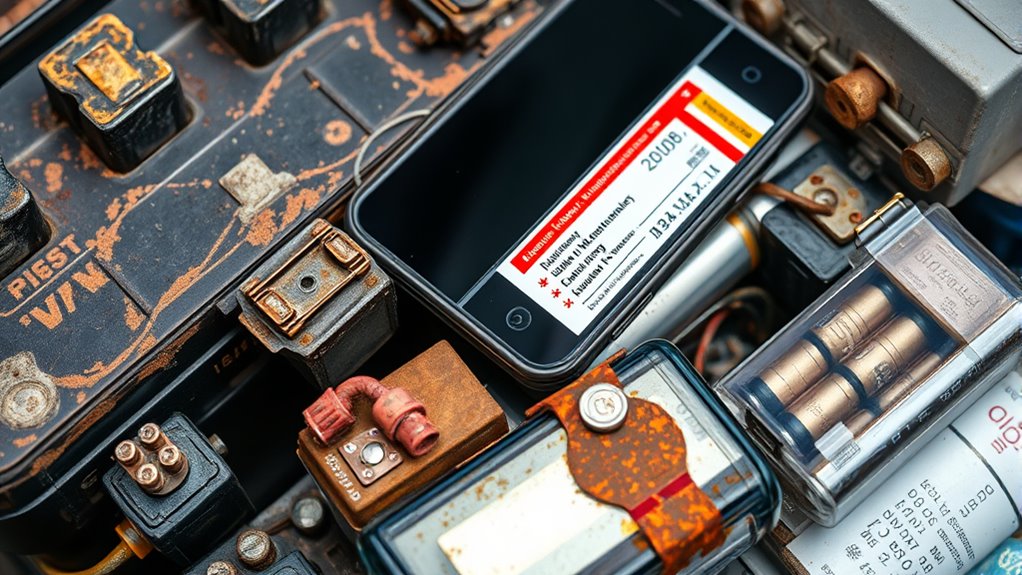
Batteries power our devices and vehicles, but not all batteries are the same. Each type has unique characteristics, chemical compositions, and maintenance needs. Understanding these differences helps you handle them properly and extend their lifespan. It also plays an essential role in responsible disposal. When batteries reach the end of their life, recycling becomes fundamental. Battery recycling prevents harmful chemicals from polluting the environment and conserves valuable materials. Many batteries, like lithium-ion, nickel-cadmium, and lead-acid, require specific recycling processes to minimize environmental impact. Engaging in proper battery recycling ensures you’re contributing to an eco-friendly disposal approach, reducing landfill waste, and recovering recyclable components. Knowing how to recycle your batteries properly is an important part of your responsibility as a consumer and helps promote sustainability.
Different battery types have varying reconditioning needs. For example, lead-acid batteries, commonly used in cars, can often be reconditioned through sulfation removal and electrolyte replacement. Regular maintenance and reconditioning can extend their useful life, but when they’re no longer viable, environmentally friendly disposal methods are essential. Lithium-ion batteries, found in smartphones and laptops, require careful handling when reconditioning, as they are sensitive to overcharging and overheating. Reconditioning these batteries involves balancing cells and reducing capacity loss, but once they’re beyond repair, recycling is the safest option. Nickel-cadmium batteries, used in some power tools, can also be reconditioned by deep cycling or discharging to restore capacity. However, cadmium’s toxicity necessitates strict recycling procedures to prevent environmental contamination. Additionally, understanding battery technologies and their specific recovery needs can help optimize reconditioning efforts and ensure safe handling.
Understanding the specific needs of each battery type helps you decide whether reconditioning is feasible or if it’s time for proper disposal. Reconditioning can save money and reduce waste, but it’s essential to follow safety guidelines and manufacturer instructions. When reconditioning isn’t possible or practical, prioritizing eco friendly disposal through certified battery recycling centers ensures you’re acting responsibly. Not only does this prevent potentially hazardous materials from leaching into the soil and water, but it also allows valuable materials like lead, lithium, and nickel to be recovered and reused. This cycle of reuse is fundamental for sustainability and reduces the demand for raw material extraction, which often harms the environment.
Frequently Asked Questions
How Can I Tell if a Battery Is Suitable for Reconditioning?
You can tell if a battery is suitable for reconditioning by performing battery testing and looking for reconditioning indicators. If your battery shows signs like slow charging, frequent power drops, or fails basic testing, it might be reconditionable. Use a multimeter or specialized tester to assess its voltage and capacity. If it passes initial tests but exhibits these indicators, reconditioning could restore its performance, saving you money and prolonging its lifespan.
What Safety Precautions Should I Take During Battery Reconditioning?
When reconditioning batteries, you should always wear personal protective equipment like gloves and goggles to prevent acid splashes. Work in a well-ventilated area, and keep a fire extinguisher nearby. Familiarize yourself with emergency procedures, such as flushing with water if acid contacts your skin or eyes. Never attempt reconditioning near open flames or sparks, and handle batteries carefully to avoid short circuits or leaks.
Are There Environmental Benefits to Reconditioning Batteries?
Reconditioning batteries dramatically cuts down environmental impact, saving countless batteries from the landfill and reducing pollution. By recycling benefits, you’re helping preserve precious resources and prevent toxic chemicals from contaminating ecosystems. It’s like giving batteries a second life, which massively lessens harmful waste. Your effort in reconditioning isn’t just about saving money—it’s a powerful step toward a cleaner, greener planet, making a real difference for future generations.
How Often Should I Recondition My Batteries for Optimal Performance?
You should recondition your batteries every 6 to 12 months to maximize battery lifespan and maintain ideal performance. Regular reconditioning helps prevent capacity loss and extends the battery’s life cycle. Keep an eye on performance signs like reduced runtime or slow charging, and recondition sooner if needed. Consistent reconditioning frequency ensures your batteries stay in good condition, saving money and reducing environmental impact.
Can Reconditioned Batteries Be Used in All Electronic Devices?
Reconditioned batteries can often be used in many electronic devices, but you need to verify their battery capacity and device compatibility first. Some devices demand specific power outputs or connector types, so reconditioned batteries might not always fit or deliver the needed performance. Always test the reconditioned battery thoroughly to ensure it provides reliable power without risking damage to your device. Proper matching is key for safe, effective use.
Conclusion
Now that you understand the different battery types, think of them as unique seeds needing specific care to flourish again. Whether it’s a lead-acid or lithium-ion, each demands its own nurturing touch to revive their strength. Picture yourself as a gardener, tending to each with the right tools and attention, helping these energetic seeds sprout anew. With this knowledge, you’re equipped to breathe new life into batteries, turning tired power sources into vibrant, reliable energy sources once more.