Reconditioning AGM batteries is possible, but it comes with risks and requires careful safety measures. You’ll need to understand their internal design and be cautious with chemicals and electrical components. While some methods can restore capacity and extend their life, they aren’t always successful, especially if the battery is severely damaged. Following proper procedures can make the process safer and more effective—if you want to learn the safest way to approach it, keep going.

Get backup power and energy gear delivered free with Prime
- Fast, free delivery on millions of items
- Prime Video, Amazon Music and more included
- Member-only deals all year
Key Takeaways
- Yes, AGM batteries can sometimes be reconditioned to restore capacity, but success depends on the extent of internal damage.
- The reconditioning process involves safe discharge, controlled recharging, and sulfuration breakdown, requiring proper safety precautions.
- Sealed AGM batteries are maintenance-free; opening them for reconditioning risks damage and voids warranties.
- Physical damage, leaks, or swelling indicate internal failure; such batteries are best replaced rather than reconditioned.
- For safety and effectiveness, consider professional reconditioning services or replacement if the battery shows significant deterioration.

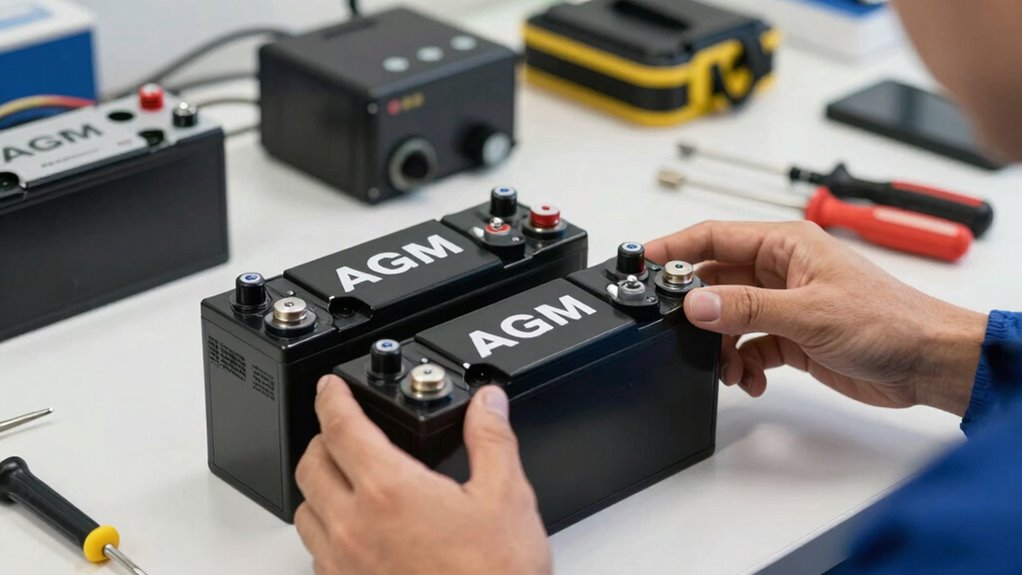
Reconditioning AGM batteries can be a cost-effective way to extend their lifespan and improve performance. When you attempt to restore an AGM (Absorbent Glass Mat) battery, your primary goal is to boost its battery capacity, which often diminishes over time due to sulfation and other internal issues. Restoring the battery’s capacity can help you get more use out of it before needing a replacement. However, it’s important to understand that reconditioning isn’t always successful, and safety should always be your top priority.
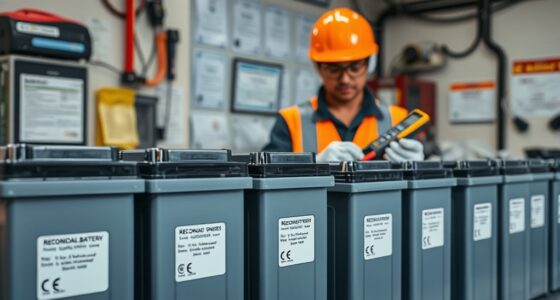
Before you start, make sure you’re familiar with the safety precautions involved. AGM batteries contain sulfuric acid and can release dangerous gases if mishandled or damaged. Always work in a well-ventilated area, wear protective gear like gloves and goggles, and keep a fire extinguisher nearby. Avoid sparks or open flames because the gases that batteries emit are flammable. If you’re not confident in your skills or unsure about handling acids and electrical components, it’s best to consult a professional or consider alternative options.
Always wear protective gear and work in a well-ventilated area when handling AGM batteries.
When reconditioning, you’ll want to check the overall health of the battery first. You can do this by measuring its voltage and inspecting for any physical damages, leaks, or corrosion. Once you confirm it’s safe to proceed, the process often involves carefully discharging the battery and then performing a controlled recharge to break down sulfation deposits that may have formed on the internal plates. This process can help restore some of the lost battery capacity, giving it a new lease on life.
Additionally, understanding the importance of proper maintenance can help prevent the need for reconditioning in the first place. Throughout this process, maintaining proper safety precautions is essential. Use insulated tools to prevent accidental shorts, and handle all chemicals with care. When adding water or electrolyte solutions, do so slowly and in small amounts to avoid splashing or creating hazardous fumes. Remember, AGM batteries are sealed and designed to be maintenance-free, so opening them can be risky and potentially voids any warranties. If you’re unsure about the internal condition or if the battery shows signs of swelling or cracking, don’t attempt reconditioning — replace it instead.
Frequently Asked Questions
How Long Do Reconditioned AGM Batteries Typically Last?
Reconditioned AGM batteries usually last between 1 to 3 years, depending on how well you maintain them. To extend their battery lifespan, follow maintenance tips like keeping the terminals clean, avoiding deep discharges, and charging regularly. Proper care guarantees your reconditioned AGM battery stays reliable longer, but remember that reconditioning isn’t a permanent fix. Regular checks and timely replacements help keep your power source dependable and safe.
Is Reconditioning Safe for All AGM Battery Brands?
Reconditioning isn’t safe for all AGM battery brands, so you should always check manufacturer guidelines first. During battery maintenance, follow strict safety precautions like wearing gloves and eye protection to prevent acid leaks or explosions. Not all brands respond well to reconditioning, and improper techniques can cause damage or safety hazards. Always research your specific battery brand and consider professional help to guarantee safety and effectiveness.
Can Reconditioning Improve AGM Battery Capacity Significantly?
Reconditioning can considerably improve AGM battery capacity by revitalizing the battery chemistry and restoring its performance. Using proper reconditioning methods, you can revive the cell’s ability to hold a charge, extending its lifespan. While results vary, consistent reconditioning efforts often lead to noticeable power increases. Just make certain you follow safe procedures and understand the specific battery chemistry to avoid damage, maximizing your chances of restoring your AGM battery effectively.
What Are the Signs an AGM Battery Needs Reconditioning?
You’ll know your AGM battery needs reconditioning if it shows slow cranking, reduced run time, or frequent recharging. Pay close attention during battery maintenance, and always follow safety precautions to avoid hazards. If you notice decreased performance or irregular charging, it’s a sign to contemplate reconditioning. Regularly inspecting and maintaining your battery helps extend its life, but always prioritize safety to prevent accidents.
Are There Professional Services That Recondition AGM Batteries?
Yes, professional services can recondition AGM batteries, saving you from a catastrophic replacement! These experts often specialize in battery recycling and can restore your battery’s performance safely. Plus, many come with warranty coverage, giving you peace of mind. Just make certain you choose reputable technicians who follow proper safety protocols, so your battery gets the best care without risking harm or voiding your warranty.
Conclusion
Reconditioning AGM batteries can be possible, but it’s not always guaranteed. For example, imagine you revive an old AGM battery and it holds a charge for months, saving you money and hassle. However, if the battery’s internal damage is severe, reconditioning might only be temporary. Always weigh the risks and consider professional help when needed. With proper care and safety measures, you can extend your AGM battery’s life, but know when to replace it for safety’s sake.
Halloween Picks
halloween
As an affiliate, we earn on qualifying purchases.