The key feature in portable EV chargers that prevents nuisance trips is built-in safety mechanisms like surge protection, thermal cutoffs, and adjustable power settings. These elements help regulate the electrical flow, matching your vehicle’s needs with the available power source, which reduces the chances of trips caused by overloads or voltage spikes. Ensuring your charger has this feature means safer, more reliable charging without unexpected interruptions. Keep exploring to discover how these features work together for seamless charging.
Key Takeaways
- Proper power capacity matching between the charger and electrical circuit prevents overloads that cause nuisance trips.
- Built-in surge protection features help absorb voltage spikes, reducing unnecessary power cut-offs.
- Adjustable power settings allow compatibility with different power sources, minimizing trip risks.
- High-quality insulation and connectors ensure safe, reliable connections, preventing short circuits.
- Thermal protection and automatic shutoff features prevent overheating and electrical faults that lead to nuisance trips.

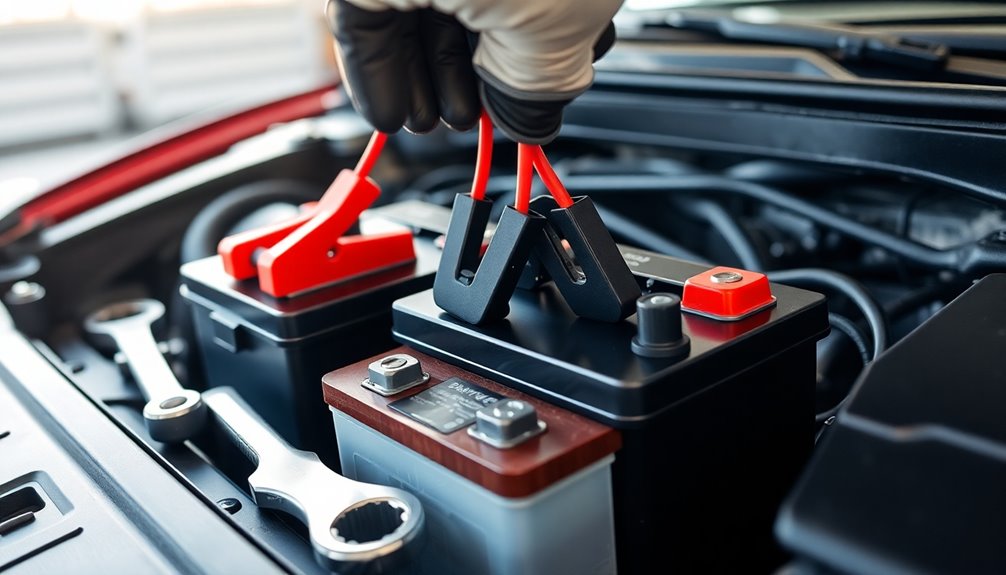
Ever wondered how to keep your electric vehicle charged on the go? The answer lies in understanding the significance of a reliable portable EV charger, especially one equipped with features that prevent nuisance trips. When choosing a portable charger, the charging cable plays an essential role. A high-quality charging cable not only ensures a safe and efficient connection between your EV and the power source but also minimizes wear and tear over time. It’s imperative that the cable is durable, flexible, and compatible with your vehicle’s charging port. The length of the cable should suit your typical charging scenarios, whether you’re charging at a public station or from a portable power source. A well-designed charging cable with proper insulation and connectors helps prevent short circuits, which could lead to nuisance trips or even damage to your vehicle’s electrical system.
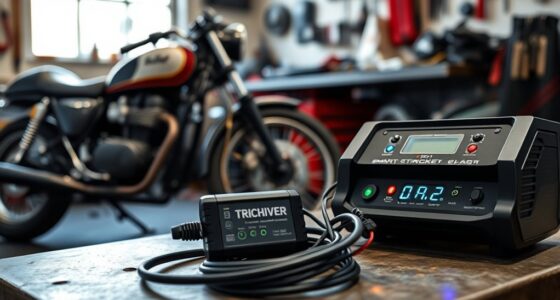
Beyond the cable itself, understanding the power capacity of your portable EV charger is critical. Power capacity determines how quickly your vehicle will charge and influences the safety features built into the device. A charger with a suitable power capacity ensures you can top up your battery efficiently without overloading the circuit. Many portable chargers come with adjustable power settings, allowing you to match the charging rate to the available power source, reducing the risk of nuisance trips caused by overloads. For example, if you’re charging from a standard household outlet, selecting a lower power setting prevents tripping the circuit breaker. Conversely, for faster charging from a higher-capacity power source, a higher setting can be used safely, provided your vehicle and the circuit can handle it.
Nuisance trips happen when the electrical system detects an anomaly and automatically cuts off the power to prevent damage or hazards. A portable EV charger with a robust safety design, including features like surge protection and thermal cutoffs, can help prevent these interruptions. When your charger’s power capacity aligns with your power source and your vehicle’s requirements, it minimizes the chances of nuisance trips occurring during charging. This alignment ensures a seamless charging experience, saving you time and frustration.
Frequently Asked Questions
How Do Portable EV Chargers Handle Extreme Weather Conditions?
You’ll find that portable EV chargers handle extreme weather conditions through weather resilience and durability testing. These chargers are built to withstand rain, snow, and temperature fluctuations, ensuring safe operation no matter the climate. During durability testing, manufacturers simulate harsh environments to confirm reliability. So, when you use one in extreme weather, you can trust it’s designed to perform safely and consistently, providing peace of mind regardless of the weather outside.
Are There Compatibility Issues With Different EV Models?
They say “the proof is in the pudding,” and with portable EV chargers, compatibility depends on matching your EV model and adhering to charging connector standards. You won’t face issues if your charger supports your vehicle’s plug type and power requirements. Always check your EV model compatibility before purchasing, ensuring the charger aligns with your vehicle’s specifications to guarantee smooth, hassle-free charging sessions.
What Is the Typical Lifespan of a Portable EV Charger?
Your portable EV charger typically lasts around 3 to 5 years, depending on usage and care. Charger durability influences its lifespan estimation, so regular maintenance can extend its life. Avoiding harsh environmental conditions and ensuring proper storage help keep it in good shape. With proper care, you can maximize your charger’s efficiency and reliability, making it a worthwhile investment for convenient charging on the go.
Can Portable Chargers Be Used for Fast Charging?
Yes, you can use portable chargers for fast charging, but they often have limitations. Many portable chargers lack the high power output needed for rapid charging, which is typically available through dedicated charging stations. When selecting a portable charger, check its fast charging capabilities to verify it meets your needs. Keep in mind, portable charger limitations mean they might not be suitable for quick top-ups or high-capacity EVs.
What Safety Certifications Should I Look for in Portable EV Chargers?
Think of safety certifications like a passport—proof you’re traveling safely. You should look for portable EV chargers with recognized safety standards and clear certification labels, such as UL, ETL, or CE. These labels indicate the charger meets rigorous safety tests, giving you peace of mind during use. Always choose chargers with verified certifications to guarantee reliable, safe operation and avoid potential hazards.
Conclusion
In the world of portable EV chargers, one feature reigns supreme—preventing nuisance trips like a superhero stopping chaos in its tracks. If you don’t prioritize this, your charging experience could turn into a wild rollercoaster of interruptions, leaving you stranded and frustrated. Imagine a charger so reliable, it’s like having a personal bodyguard for your vehicle’s power supply. Choose wisely, and never let nuisance trips ruin your day—because your EV deserves nothing less than flawless, worry-free charging!