One of the most overlooked issues in backup systems is that batteries silently lose capacity over time, which can cause unexpected failures during outages. Many assume that system activation means everything is fine, but aging batteries may not support full power when needed. Temperature, usage, and neglect can speed up deterioration. Regular capacity testing and proper environmental controls are essential. Stay tuned to discover how to identify and prevent these hidden problems before they threaten your backup reliability.

Get backup power and energy gear delivered free with Prime
- Fast, free delivery on millions of items
- Prime Video, Amazon Music and more included
- Member-only deals all year
Key Takeaways
- Battery capacity decline over time often goes unnoticed until system failure occurs.
- Routine visual inspections can’t reliably detect capacity loss or aging effects.
- Inadequate capacity testing leads to deploying backup systems with diminished support ability.
- Environmental factors like temperature significantly accelerate battery aging if unmanaged.
- Lack of proactive maintenance and testing increases risk of unexpected backup system outages.
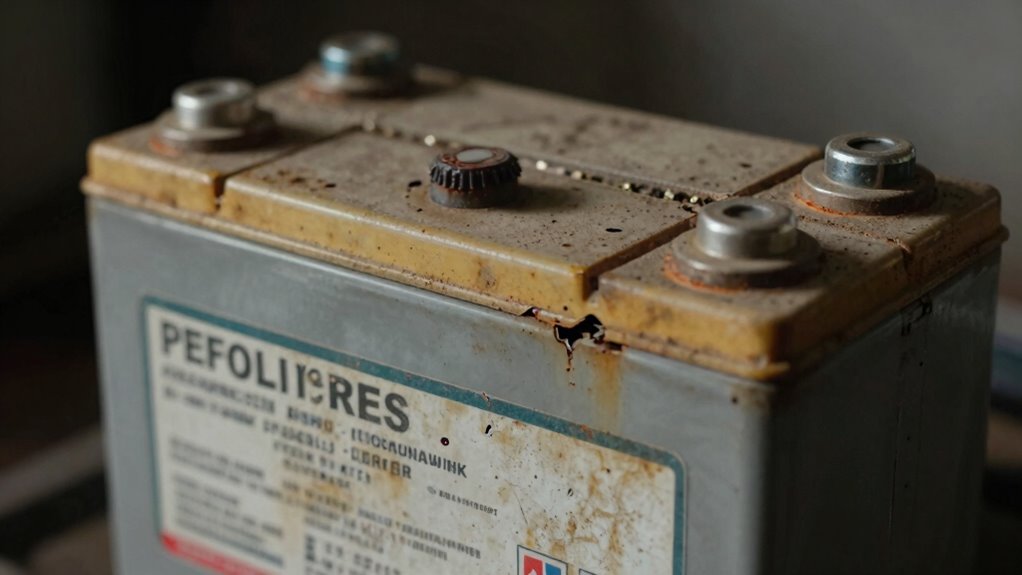
Backup systems rely heavily on batteries to provide power during outages, but these batteries often encounter problems that compromise their effectiveness. One of the most overlooked issues is the decline of battery lifespan, which can silently undermine your backup system’s reliability. Over time, batteries lose their capacity to hold a charge, and this deterioration isn’t always obvious until a critical moment when you need them most. Many operators assume that as long as the system turns on, the batteries are fine, but aging batteries may not deliver the full power required during an outage. This gradual decline can lead to unexpected failures, leaving your backup system ineffective when it’s needed most.
Aging batteries can silently compromise backup system reliability during critical outages.
Understanding the intricacies of battery lifespan is essential. Batteries don’t last forever; their life is affected by numerous factors, including temperature, usage patterns, and initial quality. Even with proper use, batteries naturally degrade, and without proactive measures, their effectiveness diminishes over time. This often results in a false sense of security, especially if routine checks focus solely on voltage or basic visual inspections. Without tracking the actual health and capacity of the batteries, you risk deploying a system that looks operational but can’t sustain a power outage for the required duration. Additionally, battery degradation occurs gradually, making it difficult to detect until a failure is imminent. Some facilities may overlook the importance of capacity testing, which is crucial for accurately assessing a battery’s ability to support your system. Implementing preventative maintenance can help identify potential issues before they cause a failure.
Maintenance challenges also play a significant role in this overlooked problem. Regular maintenance is necessary to extend battery lifespan and guarantee readiness, but it’s often neglected or poorly executed. Challenges include identifying the right intervals for testing, managing the environmental conditions where batteries are stored, and performing the necessary replacements before failure occurs. Many facilities lack the resources or expertise to conduct thorough maintenance, leading to overlooked signs of aging or damage. Additionally, some maintenance routines focus more on superficial checks rather than in-depth capacity testing, which is crucial for predicting how long a battery can truly support backup power. Proper environmental controls, such as temperature regulation, are also critical to reduce battery wear and prolong lifespan.
The consequence of neglecting these maintenance challenges and ignoring battery lifespan issues can be disastrous. When batteries fail unexpectedly, your backup system may not activate or may cut out prematurely, risking critical downtime. To prevent this, you should implement a rigorous maintenance schedule that includes capacity testing, temperature regulation, and timely replacements. Recognizing that battery lifespan is finite and actively managing maintenance challenges ensures your backup system remains reliable and ready to serve when needed. Ignoring these factors only increases the risk of system failure at the worst possible time.
As an affiliate, we earn on qualifying purchases.
Frequently Asked Questions
How Can Temperature Fluctuations Affect Backup Battery Performance Long-Term?
Temperature fluctuations can markedly impact your backup battery’s long-term performance. When temperature stability isn’t maintained, batteries may degrade faster, reducing capacity and reliability. Proper thermal management helps regulate heat, preventing extreme temperature swings that cause internal damage or capacity loss. By ensuring consistent temperatures, you prolong your battery’s lifespan and maintain ideal performance, avoiding unexpected failures and costly replacements down the line.
What Are the Signs of Subtle, Ongoing Battery Degradation?
You might notice subtle signs of battery degradation through reduced battery capacity, meaning it won’t hold as much charge as before. Additionally, an increased number of charge cycles can weaken the battery over time, leading to shorter backup durations. Keep an eye on consistent performance drops and longer charging times, which often indicate ongoing degradation. Regular maintenance and monitoring can help catch these signs early, ensuring your backup system stays reliable.
How Does Humidity Impact Battery Lifespan in Backup Systems?
Humidity effects can subtly shorten your backup system’s battery lifespan, as moisture intrusion encourages corrosion and reduces efficiency. When humidity levels are high, even slightly, it accelerates internal wear and degrades battery components over time. To protect your system, maintain a controlled environment, avoid excessive moisture, and regularly check for signs of humidity-related issues. Proper humidity management guarantees your batteries stay healthier longer, safeguarding your backup power when you need it most.
Are Certain Battery Brands More Prone to Overlooked Issues?
Some battery brands are more prone to overlooked issues due to differences in brand reliability and manufacturer quality. You might notice that lower-cost or less reputable brands often lack rigorous quality control, leading to hidden problems like poor capacity retention or shorter lifespan. To avoid these issues, choose reputable brands known for consistent quality, and guarantee proper maintenance. This proactive approach helps prevent overlooked problems that could compromise your backup system’s performance.
What Maintenance Practices Can Prevent Hidden Battery Failures?
To prevent hidden battery failures, you should regularly perform battery calibration and electrolyte testing. Calibration guarantees your backup system’s voltage readings are accurate, avoiding unexpected shutdowns. Electrolyte testing helps identify issues like low fluid levels or contamination that can silently degrade performance. By maintaining a routine schedule for these practices, you catch potential problems early, extending your battery’s lifespan and ensuring reliable backup power when you need it most.
Conclusion
If you ignore this tiny, overlooked battery issue, your entire backup system could fail when you need it most—leaving your data and safety hanging by a thread! Don’t let a minor problem turn into a disaster. Stay vigilant, check those batteries regularly, and give them the attention they deserve. Remember, neglecting this small detail could spell the end of your backup power when it’s needed the most—don’t let that happen to you!
Halloween Picks
halloween
As an affiliate, we earn on qualifying purchases.