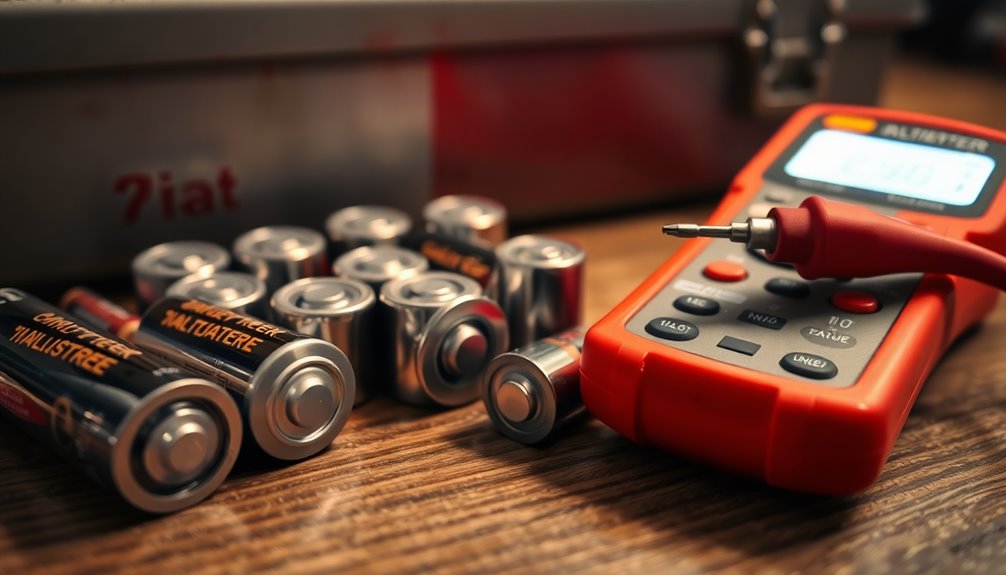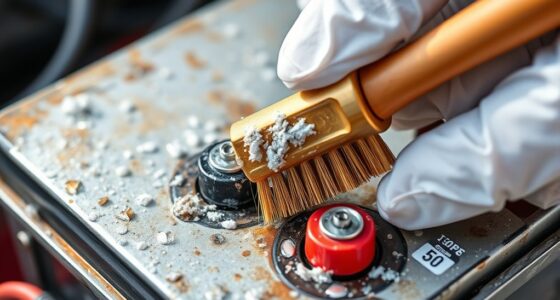
Matching your battery maintenance to your device’s use case helps prevent premature wear and keeps performance ideal. For example, high-drain devices like gaming laptops need heat management, while smartphones benefit from moderate charging cycles. By adjusting routines based on how you use your device, you can extend its lifespan and avoid unnecessary stress on the battery. Understanding these tailored strategies will give you more control over your device’s longevity and guarantee it stays in top condition.

Get backup power and energy gear delivered free with Prime
- Fast, free delivery on millions of items
- Prime Video, Amazon Music and more included
- Member-only deals all year
Key Takeaways
- Different devices have unique usage patterns requiring tailored charging and maintenance routines.
- Proper heat and temperature management varies depending on whether the device is high-drain or low-drain.
- Tailoring maintenance helps prevent premature battery degradation specific to device use cycles.
- Matching charging habits to device use minimizes stress and extends overall battery lifespan.
- Understanding use case-specific needs ensures optimal performance and reduces unnecessary battery wear.
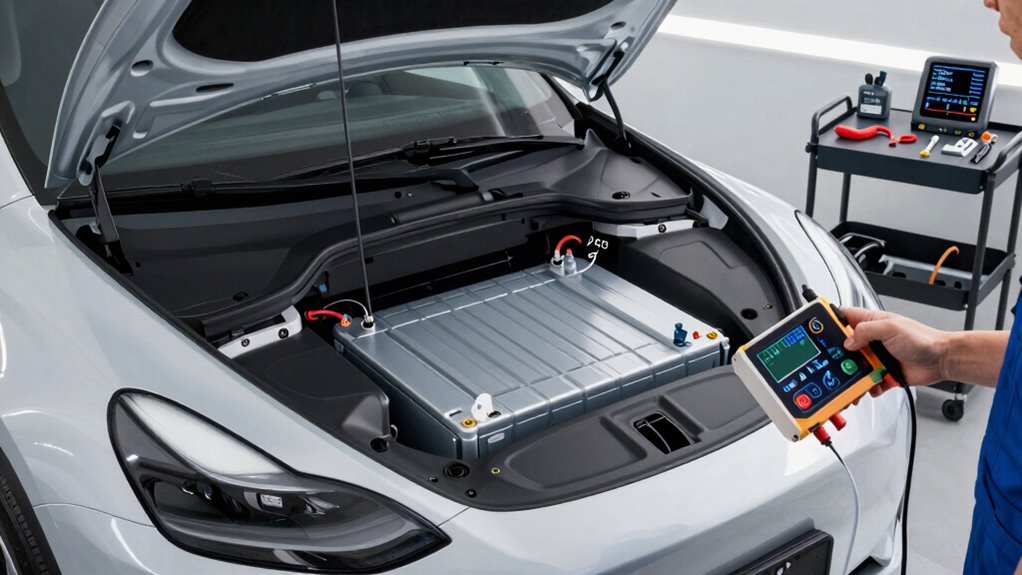
Have you ever wondered how to keep your batteries performing at their best? It all starts with understanding that proper maintenance depends heavily on your specific use case. Whether you’re dealing with a smartphone, an electric vehicle, or a power tool, your approach to battery care must align with how you use and charge it. Your goal is to extend the battery lifespan, which means adopting charging habits tailored to your device’s needs. For example, if you use your smartphone heavily throughout the day, regularly charging it in short bursts may be better than letting it drain completely and then doing a full charge. Conversely, for devices like laptops or electric bikes, longer charging sessions or keeping the battery between certain charge levels might be more advantageous.
Charging habits directly influence your battery’s health over time. If you frequently let your device’s battery drain to zero before recharging, you risk damaging the cells and shortening its lifespan. On the other hand, keeping your battery charged between 20% and 80% can help preserve its capacity longer, especially if your use case involves regular, moderate use. For devices that are used intermittently or for extended periods, maintaining a consistent charging routine prevents unnecessary stress on the battery. It’s also important to avoid overcharging—leaving a device plugged in after reaching 100% can generate excess heat and degrade the battery faster. Many modern devices have built-in safeguards, but understanding your device’s specific charging behavior can make a difference. Additionally, heat management is crucial, as high temperatures can accelerate battery wear and reduce overall lifespan. Proper temperature control during charging and use can significantly impact battery longevity. You may also consider battery calibration techniques periodically to ensure accurate charge level readings and optimal performance. Being aware of your device’s charge cycle limits can help you plan for battery replacements before performance drops noticeably. Furthermore, understanding the impact of fast charging on battery health can help you decide when to use it and when to opt for slower charging methods.
Your device’s use case also influences other maintenance practices. For instance, high-drain devices like gaming laptops or power tools generate more heat, which can accelerate battery wear. In such cases, managing heat and avoiding prolonged exposure to high temperatures can help extend the battery’s health. If your use involves frequent fast charging, it’s essential to recognize that rapid charge cycles can generate more heat and strain the battery. Using slower, more gradual charging methods when possible can be gentler on the cells and prolong their lifespan.
Ultimately, matching your battery maintenance to your particular use case ensures you get the most out of your device’s power source. Being mindful of your charging habits, avoiding extremes in charge levels, and managing heat exposure all play vital roles. When you tailor your approach to your device’s specific needs, you not only maximize performance but also considerably extend the overall lifespan of your batteries. This careful attention to how you use and charge your batteries helps you avoid premature replacements and keeps your devices running smoothly longer.
smartphone battery maintenance kit
As an affiliate, we earn on qualifying purchases.
As an affiliate, we earn on qualifying purchases.
Frequently Asked Questions
How Often Should I Check My Battery’s Health?
You should check your battery’s health every 3 to 6 months, or after about 30 to 50 charging cycles. Regularly calibrate your battery to guarantee accurate readings, especially if you notice sudden drops in performance. Keep an eye on signs like reduced battery life or unexpected shutdowns. Frequent checks help maintain peak performance, prolong battery life, and identify issues early, saving you money and hassle in the long run.
Can Improper Maintenance Shorten My Battery’s Lifespan?
Yes, improper maintenance can shorten your battery’s lifespan. If you neglect regular battery calibration and don’t follow good charging habits, like avoiding overcharging or letting it drain completely, the battery’s capacity diminishes faster. Poor maintenance causes the battery to work harder, leading to quicker degradation. To extend its life, keep a consistent charging routine, calibrate periodically, and avoid extreme temperature exposure. Proper care guarantees your battery performs effectively for longer.
What Are Signs My Battery Needs Replacement?
You’ll know your battery needs replacing when it shows reduced battery lifespan, struggles to hold a charge, or drains quickly even after charging. Poor charging habits, like frequently overcharging or letting it drain completely, can accelerate deterioration. Keep an eye on these signs, as timely replacement guarantees peak performance. Matching your maintenance and charging habits to your usage helps extend battery life and prevents unexpected failures.
Does Climate Affect Battery Maintenance Routines?
Ever thought about how a hot summer or freezing winter impacts your battery? Climate effects mean you need to adjust your maintenance routine because temperature fluctuations cause wear and tear differently. For instance, extreme cold can reduce capacity, while heat accelerates degradation. So, yes, climate influences maintenance variability—you should regularly check and adapt your battery care based on your environment to guarantee peak performance and longevity.
Are There Specific Maintenance Tips for High-Drain Devices?
For high-drain devices, you should regularly perform battery calibration to guarantee accurate power readings. Develop consistent charging habits by avoiding overcharging and letting the battery drain completely before recharging. Use the recommended charger to prevent damage. Keep the device cool during use and charging, as heat accelerates battery wear. These tips help extend your device’s battery life and performance, especially with demanding, high-drain applications.
Conclusion
By tailoring battery maintenance to your specific use case, you guarantee longevity and peak performance. Don’t let the fear of extra effort hold you back—think of it as protecting your investment and avoiding costly replacements. When you match maintenance with how you use your device, you’re not just extending its life; you’re gaining peace of mind and reliability when you need it most. Your commitment makes all the difference.
Halloween Picks
halloween
As an affiliate, we earn on qualifying purchases.