TL;DR

Get backup power and energy gear delivered free with Prime
- Fast, free delivery on millions of items
- Prime Video, Amazon Music and more included
- Member-only deals all year
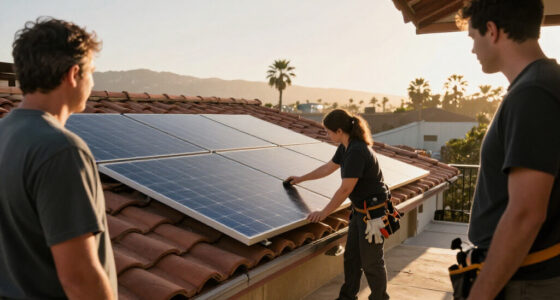
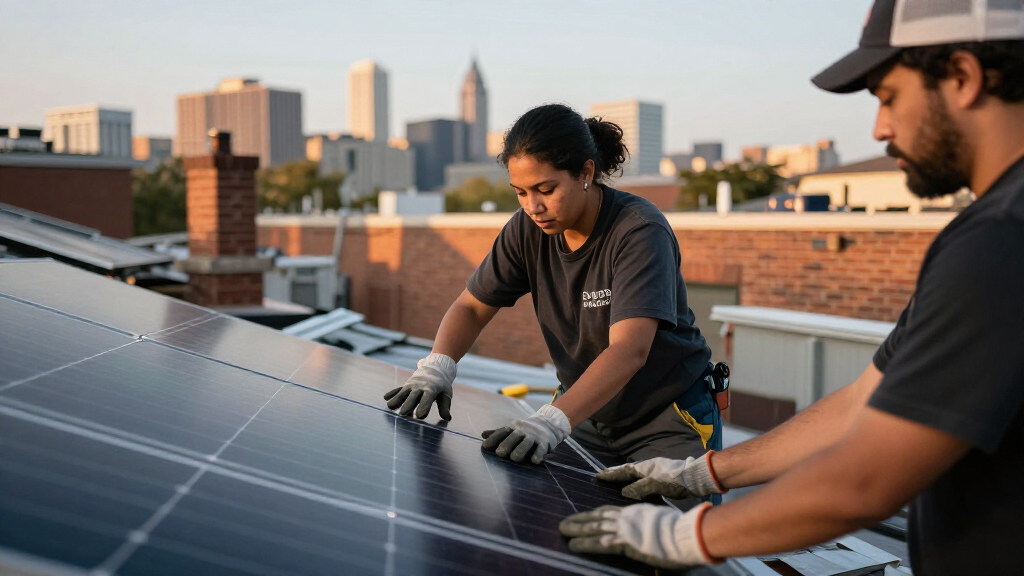
The Safer Foundation in Chicago trains people who have been involved with the criminal justice system for clean-energy work, including solar installation. The organization says more than 100 people earned clean-energy industry certifications in the past three years, and 79 obtained jobs; the source does not specify how many entered solar roles.
The Safer Foundation, a Chicago nonprofit serving people who have been involved with the criminal justice system, has helped connect trainees to clean-energy employment through solar-focused workforce training and employer partnerships. The foundation says more than 100 people earned industry certifications through its training in the past three years, and 79 got jobs, though the source does not say how many of those jobs were specifically in solar.
Training takes place at Safer’s headquarters on Chicago’s West Side, in a former gymnasium converted into a practice space that includes a two-story home under construction. The setup gives participants a place to learn practical building skills, including work involving electrical fixtures and insulation, as they prepare for solar and other clean-energy jobs. Participants include residents of an adult transitional center in the building and other people with criminal justice involvement.
Safer President and CEO Mark Yates described clean energy as a sector with entry-level roles and opportunities to advance. He said carpentry and electrical experience gained in training can also transfer to other fields. The foundation works with employers, including utility-scale developer Millennium Solar Electric and residential installer Sunrun, to create job pathways for people who can face reluctance from employers because of criminal convictions or gaps in work history.
Training is paired with support intended to address barriers to staying employed. Safer offers services that include counseling, substance-use treatment and anger management, as well as workplace, diversity, financial-literacy and interpersonal-skills training. Training and Employment Account Executive Katrice Harris said the organization’s job-development team builds employer relationships and develops agreements intended to give clients a chance to be hired.
Building a Route Into Solar Work
The program addresses two connected workforce challenges: employers’ need for workers in clean energy and the obstacles people with criminal records can face when seeking jobs. A certification alone may not overcome hiring concerns or practical barriers, so Safer combines technical instruction with employer connections and individual support. The reported 79 job placements suggest that some trainees moved from certification into work, although the available figures do not establish how many were hired by solar companies or remained employed.
The effort also connects Illinois’ clean-energy expansion with its stated aim of widening access to the jobs it creates. For participants, solar training may offer a route to employment while building skills that can be used in other trades. For employers, partnerships with a workforce organization can provide access to candidates and support during recruitment. Those potential benefits should be distinguished from measured outcomes: the source provides certification and job-placement counts, but not wages, job retention, or longer-term career progress.
Products Worth Considering

Bose QuietComfort Headphones (2nd Gen), Wireless Over-Ear Noise-Cancelling Headphones, Black

Sony WH-1000XM6 Wireless Noise-Canceling Headphones, Black

LG UltraGear 25G590B-B 25-Inch Full HD 1000Hz Gaming Monitor
As an affiliate, we earn on qualifying purchases.
Illinois Clean-Energy Hiring Effort
Illinois’ 2017 and 2021 clean-energy laws created workforce programs that prioritize people from marginalized communities. The initiatives described in the source combine job training with remedial education, professional and interpersonal skills, and services intended to help participants address needs such as childcare, transportation, and mental health. The state’s approach also includes a focus on people who have been incarcerated.
Safer Foundation has worked with people returning from incarceration since 1972, providing skills and employment assistance. The solar program builds on that experience. Yates said some participants have spent years away from technology and may need to learn basic digital tools, such as using a smartphone, alongside solar-specific skills. That observation underscores why the training includes more than instruction in installation work.
““They’ve been incarcerated beyond technology advances.””
— Mark Yates, Safer Foundation president and CEO
Solar Placement Outcomes Remain Unspecified
The reported outcome figures cover clean-energy industry certifications and jobs, not solar placements alone. The source does not break down the 79 jobs by occupation or employer, nor does it provide figures on participant wages, job retention, or advancement. It also does not state how many people are currently enrolled, how many complete the training, or how many employer agreements have resulted in hires.
The source describes services and partnerships but does not give a program budget or a comparison with other employment approaches. It is therefore unclear how much each element contributes to placements, or whether the reported results will continue at the same pace. Claims about participants’ work ethic are attributed to Yates and are not presented as independently measured findings.
Training and Hiring Continue
Safer’s stated approach is to continue preparing participants and building relationships with employers, including solar companies. Its job-development team works to connect trainees with hiring opportunities, while the foundation’s support services remain available to help address barriers that can interfere with employment. The source does not identify a next enrollment date, a new expansion, or a future target for certifications or placements.
Further information on the program’s reach would include updated enrollment and completion totals, the number of graduates hired specifically into solar roles, and whether those workers remain employed or advance. Until those figures are provided, the reported results show clean-energy certifications and job placements, but not the program’s longer-term impact.
Key Questions
Who runs the Chicago solar job-training program?
The Safer Foundation, a Chicago nonprofit that has supported people returning from incarceration since 1972, runs the training described in the report.
How many people have received certifications or jobs?
Safer says that in the past three years, more than 100 people earned clean-energy industry certifications through its training and 79 got jobs. The source does not say how many of those jobs were in solar.
What support does the program provide beyond technical training?
Participants can access services including counseling and substance-use treatment, along with workplace, interpersonal, diversity and financial-literacy training. Safer also works to connect trainees with employers.
Which employers are connected to the program?
The source names utility-scale developer Millennium Solar Electric and residential installer Sunrun as employers Safer works with. It does not provide hiring totals for either company.
Are the 79 reported jobs all solar jobs?
No such breakdown is provided. The figure is reported for jobs obtained after clean-energy training; the number specifically in solar occupations remains unclear.
Source: canarymedia.com