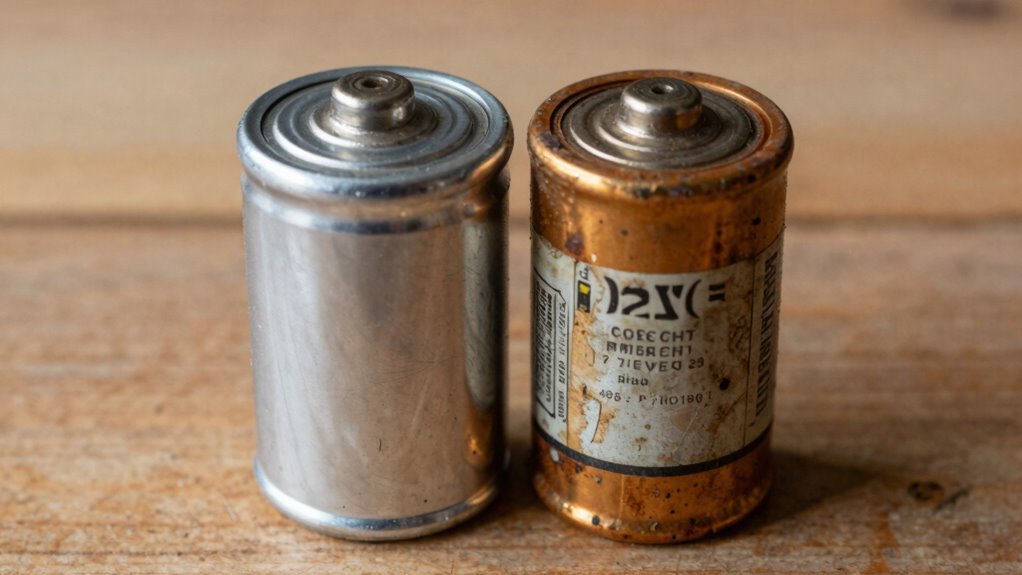

Battery age refers to how long it’s been since your battery was manufactured, while usage involves how often and intensely you charge and drain it. Even a battery that’s rarely used will slowly degrade over time due to natural chemical changes. Conversely, frequent use can shorten lifespan more quickly, but proper care can slow that decline. Knowing the difference helps you maintain your battery longer—stick with us to discover more tips to boost its durability.

Get backup power and energy gear delivered free with Prime
- Fast, free delivery on millions of items
- Prime Video, Amazon Music and more included
- Member-only deals all year
Key Takeaways
- Battery age is determined by time since manufacturing, not how often it is used.
- Usage involves charging patterns and cycle frequency, which affect capacity loss differently.
- Chemical degradation occurs naturally over time, regardless of usage levels.
- Manufacturing quality impacts long-term durability, independent of how often the battery is used.
- Proper maintenance can slow aging effects, but cannot completely prevent natural chemical deterioration.
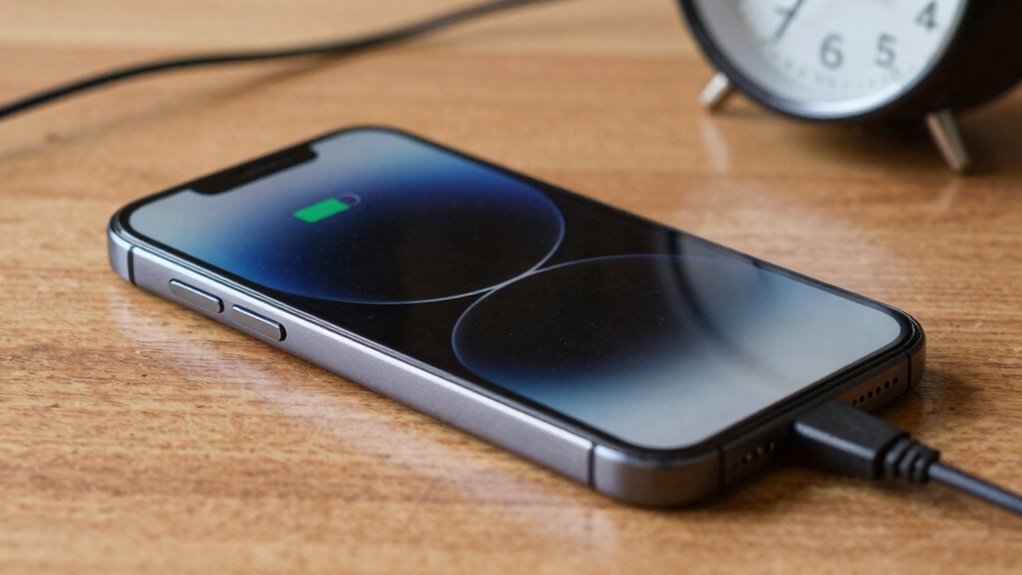
Many people confuse a battery’s age with how much it’s been used, but they’re actually different factors that affect performance. The age of a battery refers to how long it’s been since it was manufactured, while usage involves how often and how intensively you’ve used it. Understanding this distinction is key to maintaining your battery’s health and maximizing its lifespan. Battery manufacturing plays a crucial role here because, during production, batteries are assembled with specific materials and quality controls that influence their longevity. Even if you’ve never fully charged or drained it, a battery can still degrade over time simply because of its age. On the other hand, how many charging cycles a battery endures directly impacts its performance. A charging cycle is completed when you use an amount of energy equal to 100% of the battery’s capacity—whether in one go or multiple partial charges. Every cycle slightly reduces the battery’s ability to hold a charge, making it less effective over time. So, if you frequently top off your device rather than waiting for it to drain, you’re reducing the number of full cycles, which can help extend its lifespan.
It’s important to note that a battery’s capacity diminishes with age, regardless of how often you use it. Even if you’ve only charged and discharged it a few times, the chemicals inside gradually break down over months or years. This degradation is a natural part of the aging process that occurs in all batteries, especially those that were manufactured with materials prone to deterioration over time. Proper management of charging cycles—like avoiding extreme charges or letting the battery drain completely—can markedly slow down this process. material stability during manufacturing is critical, as it influences how well a battery can resist chemical breakdown over time. Additionally, battery design and quality play a significant role in how well a battery withstands these aging factors and usage patterns. Recognizing the importance of manufacturing quality can help you better understand why some batteries last longer than others. Furthermore, consistent charging habits can also significantly impact how quickly your battery ages. Using appropriate charging equipment and following recommended guidelines can further help preserve your battery’s health. Ultimately, your goal should be to understand that battery age and use are separate but interconnected factors. While you can’t stop your battery from aging, you can influence how quickly it deteriorates through mindful charging habits. Recognizing the impact of battery manufacturing quality and the number of charging cycles helps you better care for your device. By doing so, you guarantee that your battery remains reliable for as long as possible, regardless of its chronological age.
smartphone battery health monitor
As an affiliate, we earn on qualifying purchases.
As an affiliate, we earn on qualifying purchases.
Frequently Asked Questions
How Does Temperature Affect Battery Aging?
Temperature considerably impacts battery aging through thermal effects that accelerate battery degradation. When you expose your device to high temperatures, the chemical reactions inside speed up, causing faster wear and reduced lifespan. Conversely, cold temperatures can temporarily decrease performance, but prolonged exposure may also harm the battery. Keeping your device within ideal temperature ranges minimizes thermal effects, helping to preserve battery health and extend its overall lifespan.
Can Software Updates Extend Battery Lifespan?
Software updates can help extend your battery’s lifespan by improving power management and optimizing hardware performance. They often include battery calibration features that guarantee accurate charge readings, preventing unnecessary wear. However, software alone can’t stop hardware degradation over time. To maximize your battery’s life, combine updates with good habits like avoiding extreme temperatures and not letting your battery fully discharge frequently.
What Role Does Charging Speed Play in Battery Wear?
Charging speed considerably impacts battery wear because fast charging increases heat and stress, accelerating degradation. When you frequently use rapid charging, your battery undergoes more charging cycles and experiences higher thermal stress, which shortens its lifespan. To optimize power and extend battery life, avoid consistently fast charging and instead opt for slower, more controlled charging methods. This helps reduce heat buildup and minimizes battery wear over time.
Is a New-Looking Battery Always in Good Condition?
A new-looking battery is like a shiny, unopened book—its cover may be pristine, but the pages inside could be worn. You might see full battery capacity and consider it healthy, but it could have endured hidden wear from previous cycles. Just like with battery recycling, knowing its age and history helps you understand true condition. Always check both capacity and age to gauge if it’s genuinely in good shape.
How Can I Accurately Measure My Battery’s Health?
To accurately measure your battery’s health, start with a battery calibration by fully charging and then fully discharging your device. Use diagnostic tools to check voltage stability and monitor how it holds power over time. These steps help you identify if your battery’s capacity has diminished. Regular calibration guarantees your readings stay accurate, giving you a clear picture of your battery’s true health, regardless of its age.
Conclusion
Remember, just because your battery is old doesn’t mean it’s necessarily worn out. Battery age refers to how long it’s been since manufacture, while use affects its performance. Some batteries can handle heavy use for years, and some may degrade quickly regardless of age. So, don’t assume your device’s battery needs replacing solely based on age. Keep an eye on performance signs—your battery’s actual health is what truly matters for peak use.
Halloween Picks
halloween
As an affiliate, we earn on qualifying purchases.