
TL;DR

Get backup power and energy gear delivered free with Prime
- Fast, free delivery on millions of items
- Prime Video, Amazon Music and more included
- Member-only deals all year
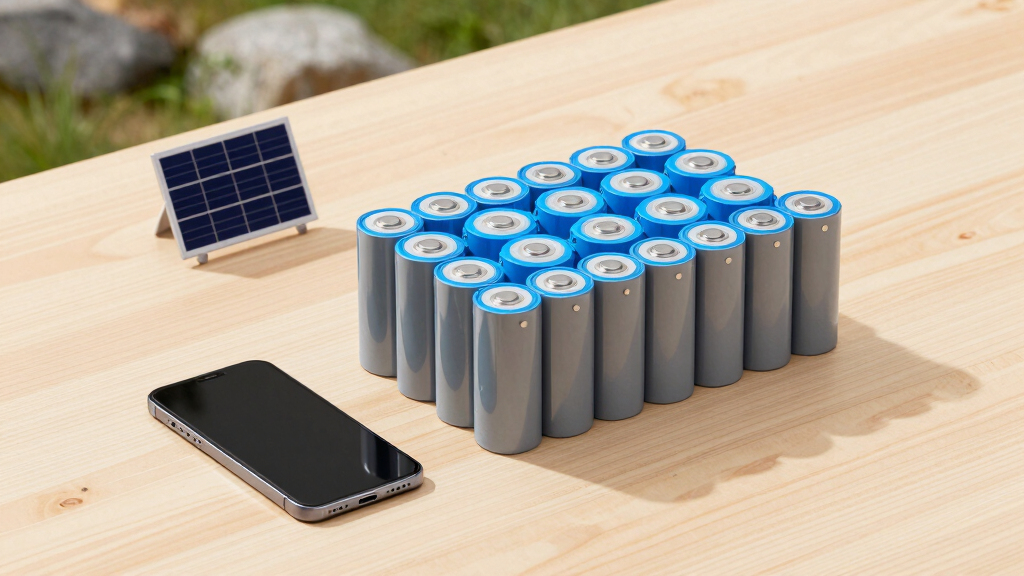
California’s battery storage system has discharged more than 12,000 megawatts, matching the capacity of 12 nuclear power plants, providing a significant portion of the state’s energy. This milestone highlights progress in renewable energy and storage, despite policy challenges.
California’s battery storage systems recently discharged over 12,000 megawatts of energy, equivalent to the capacity of 12 nuclear power plants, marking a major milestone in the state’s renewable energy transition.
This discharge occurred during a peak demand period in late March, demonstrating the growing capacity of California’s grid-connected batteries to supply substantial energy loads. The achievement reflects the rapid deployment of battery storage technology, which now provides up to 40 percent of the state’s peak capacity, according to energy expert Ed Smeloff.
California’s energy grid is transitioning from reliance on natural gas to renewable sources, with batteries playing a key role in managing peak demand and supporting the integration of solar and wind power. Despite federal policy uncertainties and challenges to offshore wind projects, solar and battery sectors remain resilient, with ongoing development expected to continue through at least 2032.
Why It Matters
This milestone underscores California’s progress toward a cleaner energy grid and highlights the importance of large-scale battery storage in achieving climate goals. It also demonstrates the potential for renewable energy to meet a substantial portion of demand, reducing dependence on fossil fuels and enhancing grid resilience amid policy and geopolitical uncertainties.
As an affiliate, we earn on qualifying purchases.
Background
California has been steadily increasing its renewable capacity, with more than 60 percent of its electricity generated from carbon-free sources last year. The state has added significant battery storage capacity in recent years, which now plays a critical role during peak demand periods. Federal policies, including tax credits, have supported this growth, though recent legislative changes threaten future projects. The milestone reflects ongoing efforts to meet California’s goal of 100 percent clean energy by 2045, despite challenges such as policy shifts and international trade tensions affecting solar and wind sectors.
“The discharge of over 12,000 MW from batteries is a remarkable achievement, representing a significant step forward in California’s renewable energy transition.”
— Ed Smeloff, energy consultant with GridLab
What Remains Unclear
It remains unclear how sustainable this level of battery deployment will be amid federal policy changes, trade tensions, and potential slowdowns in new renewable projects after 2032. The future of offshore wind projects in California is particularly uncertain due to their reliance on federal support and infrastructure development.
What’s Next
California is expected to continue increasing its battery capacity and renewable generation, with new projects planned to come online before 2030. Policy developments at the federal and state levels will influence the pace of growth beyond that point. Monitoring how these factors impact project completion and grid stability will be key in the coming years.
Key Questions
What does discharging 12,000 MW from batteries mean for California’s energy grid?
It indicates that California’s battery storage systems can supply a large portion of the state’s peak energy demand, reducing reliance on fossil fuels and enhancing grid stability during high-demand periods.
Why is this milestone important for renewable energy development?
It demonstrates the growing capacity and effectiveness of battery storage in supporting renewable energy integration, helping California move closer to its clean energy goals.
Are there challenges to maintaining or expanding this capacity?
Yes, federal policy changes, trade tensions, and uncertainties about future projects after 2032 could impact the pace of growth in battery and renewable sectors.
How does this compare to nuclear power in terms of capacity?
The 12,000 MW discharged from batteries is equivalent to the capacity of 12 nuclear power plants, highlighting the scale of California’s renewable storage efforts.
Halloween Picks
halloween
As an affiliate, we earn on qualifying purchases.