
TL;DR

Get backup power and energy gear delivered free with Prime
- Fast, free delivery on millions of items
- Prime Video, Amazon Music and more included
- Member-only deals all year
Many abandoned oil and gas wells across the US may be repurposed for geothermal energy, thanks to recent legislative efforts and technological advances. While promising, technical and economic challenges remain before widespread adoption.
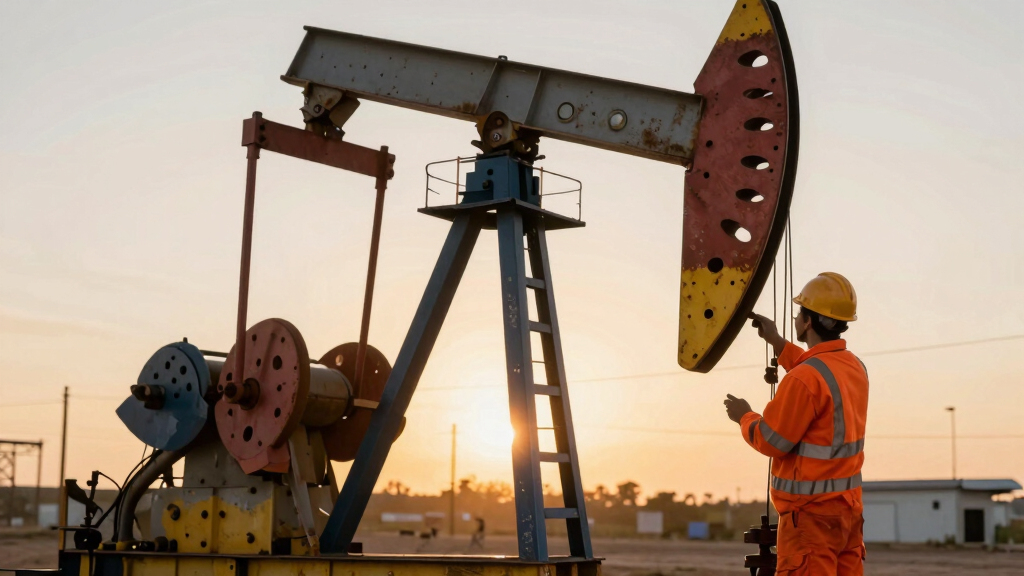
Multiple states across the US are actively exploring the potential to convert abandoned oil and gas wells into sources of geothermal energy, aiming to produce clean, reliable power while addressing environmental liabilities.
Legislatures in Oklahoma, Alabama, North Dakota, and Colorado have introduced or passed laws to facilitate the repurposing of inactive oil and gas wells for geothermal energy or underground energy storage. Oklahoma’s Well Repurposing Act, for example, creates a process for companies to acquire and convert over 20,000 orphaned wells, which could generate revenue and reduce liability, according to state officials.
These efforts are supported by technological advances in drilling and geothermal systems, many of which have roots in the oil and gas industry’s expertise. However, converting these wells faces significant hurdles, including lower underground temperatures and smaller fluid volumes, which limit energy output and increase costs. Experts note that high-temperature resources are essential for electricity generation, and most old wells do not naturally reach those levels.
Research projects, such as the University of Oklahoma’s initiative to turn old wells into direct-use heat sources for local buildings, are testing the feasibility of these conversions. Funded by federal grants, these projects are still in early phases, with some paused or awaiting further development amid regulatory and technical challenges.
Why It Matters
This development could significantly expand the US’s renewable energy portfolio by utilizing existing infrastructure, potentially reducing greenhouse gas emissions from fossil fuel extraction and use. It also offers economic opportunities for states to generate revenue and create jobs, while addressing environmental hazards posed by orphaned wells, such as groundwater contamination and methane leaks.
However, the success of large-scale conversion depends on overcoming technical barriers and demonstrating cost-effectiveness. If viable, this approach could accelerate the transition to cleaner energy sources and help meet climate goals.
Products Worth Considering

LG UltraGear 32GS60QC-B 32-inch Curved QHD Gaming Monitor (180Hz, 1ms, 1000R, AMD FreeSync, HDR10)

Bose QuietComfort Wireless Noise Cancelling Headphones, Twilight Blue

Logitech MX Mechanical Wireless Illuminated Keyboard, Tactile Quiet, Graphite
As an affiliate, we earn on qualifying purchases.
Background
The US has millions of inactive oil and gas wells, many of which are unowned or abandoned, with estimates suggesting it would take centuries and hundreds of millions of dollars to plug all of them. While plugging wells is costly and time-consuming, recent legislative efforts aim to turn this liability into an asset by repurposing wells for geothermal energy. These initiatives are part of a broader push to diversify renewable energy sources and leverage existing subsurface data from decades of fossil fuel extraction.
“These wells are a liability, and there may be a way to turn them into some sort of revenue generation and give them value.”
— Dave Tragethon, Well Done Foundation
“Oil and gas well conversion presents an enormous opportunity, but it’s pretty far away technologically from being a reality.”
— Emily Pope, Center for Climate and Energy Solutions
What Remains Unclear
It remains unclear how cost-effective and technically feasible large-scale conversions will be in practice, given the current limitations in well temperatures and fluid volumes. The pace of legislative and technological progress will influence how quickly these projects can be scaled.
What’s Next
Next steps include advancing research to improve conversion techniques, securing funding for pilot projects, and refining regulatory frameworks. Monitoring the outcomes of ongoing studies and legislative developments will determine the viability of widespread implementation in the coming years.
Key Questions
Can abandoned oil wells produce enough heat for electricity generation?
Most old wells have lower underground temperatures, which makes electricity generation challenging. Ongoing research aims to evaluate their potential for direct-use heat or hybrid systems.
What are the main technical challenges in converting old wells for geothermal energy?
Challenges include low to medium underground temperatures, small fluid volumes, and the need to prevent mixing of harmful elements with working fluids. Overcoming these requires technological advances and significant investment.
How much would it cost to convert an old well into a geothermal energy source?
Conversion costs vary widely, but fixing a single old well can cost between $75,000 and $150,000 or more, depending on location and complexity. Scaling up would require substantial funding and technological development.
Are there any operational examples of old wells being used for geothermal energy?
Currently, most projects are in research or pilot phases. For example, the University of Oklahoma is testing converting wells into heat sources, but no large-scale commercial operations are yet established.