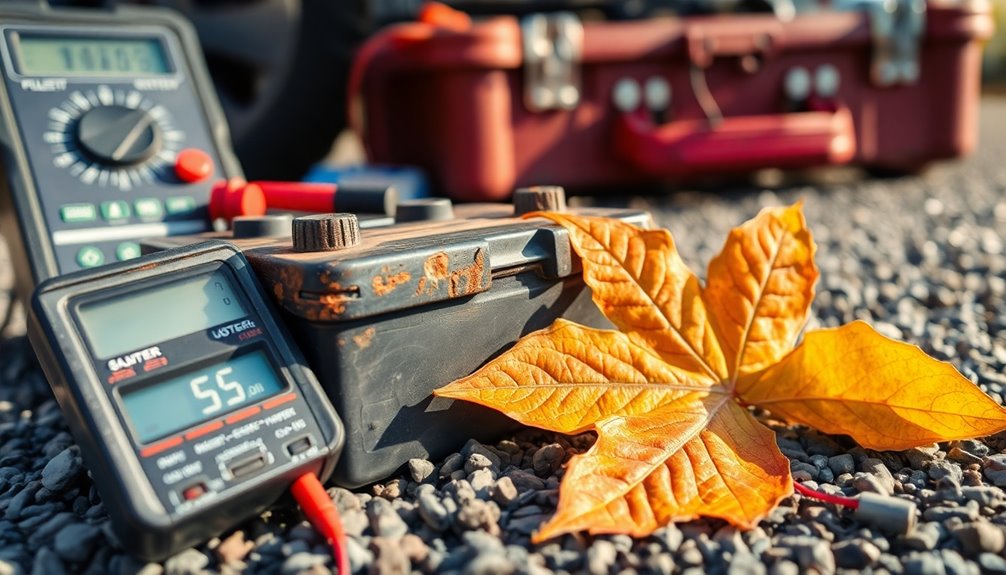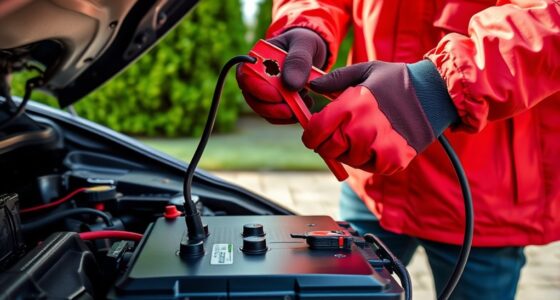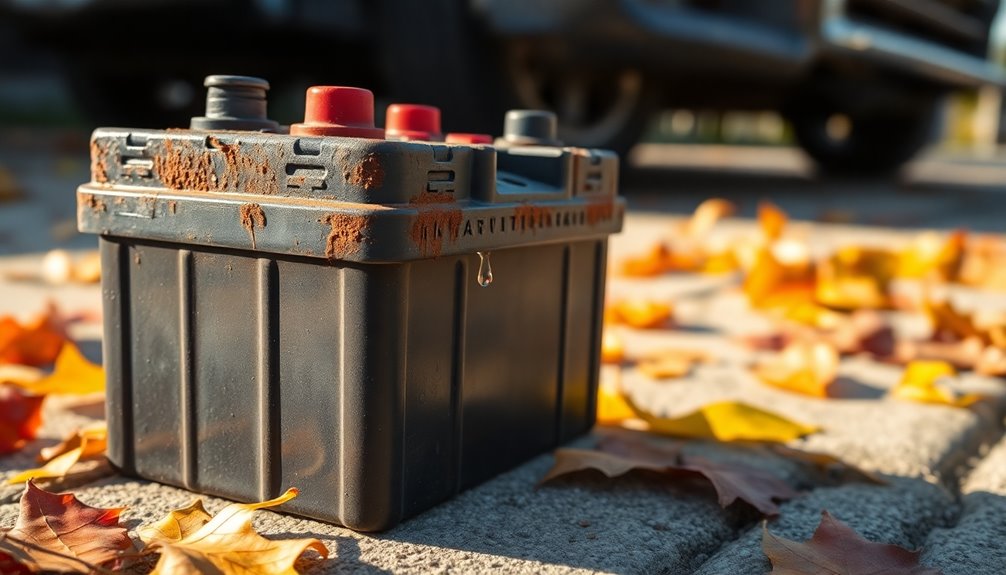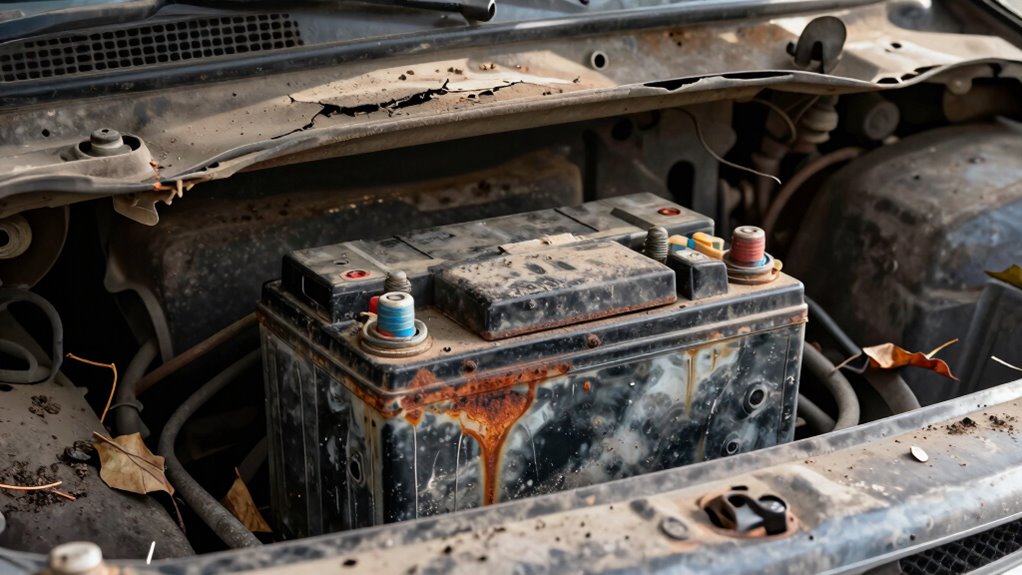

When you leave a vehicle unused for a long time, the battery quickly loses its charge and begins to deteriorate. Without regular maintenance, like checking the charge, cleaning terminals, or using a maintainer, the battery can become dead or damaged. Poor storage conditions, such as high humidity or temperature fluctuations, speed up corrosion and wear. If you want to understand how to prevent these issues and keep your battery healthy, there’s more to discover.
Prime for Young Adults — start your free trial
Fast free delivery, streaming and member deals for eligible 18–24 year olds.
As an affiliate, we earn on qualifying purchases.
Key Takeaways
- Batteries lose charge quickly when vehicles remain unused for extended periods.
- Lack of regular maintenance accelerates battery deterioration and increases failure risk.
- Poor storage conditions, such as temperature fluctuations and humidity, damage battery health.
- Inadequate ventilation promotes moisture buildup, leading to corrosion and battery failure.
- Neglecting to disconnect or maintain the battery during long-term storage shortens its lifespan.

When a vehicle sits unused for an extended period, its battery can quickly lose its charge and deteriorate. This is a common problem many vehicle owners face, especially if they only use their cars seasonally or have a secondary vehicle that sits idle for months. The key to preventing battery failure in these situations lies in proper battery maintenance and understanding the importance of storage conditions. If you neglect these aspects, your vehicle’s battery is likely to become dead or damaged, making it impossible to start your car when you need it most.
Battery maintenance is vital when your vehicle isn’t in regular use. Even if you don’t drive often, you should periodically check the battery’s charge level and clean the terminals to prevent corrosion. Using a battery tender or maintainer can help keep the charge stable during long periods of inactivity. These devices supply a small, steady amount of power to the battery, preventing it from losing its charge altogether. It’s also wise to disconnect the battery if you’re storing the vehicle for several months, as this reduces the drain caused by electrical components like alarms or clocks. Regular inspections and maintenance help extend the life of your battery and guarantee it remains ready to go when you’re back on the road. Proper storage conditions, such as maintaining the correct temperature and humidity, are also crucial for battery health. Additionally, understanding how indoor air quality can impact your vehicle’s storage environment is important for maintaining optimal conditions. Ensuring good airflow around the vehicle can help prevent moisture buildup, which is detrimental to both the battery and other components. Proper ventilation is essential to avoid creating a humid environment that accelerates corrosion and damage. Furthermore, monitoring temperature fluctuations can significantly influence the longevity of your stored battery.
As an affiliate, we earn on qualifying purchases.
Frequently Asked Questions
How Long Can a Vehicle Sit Unused Before Battery Issues Arise?
If your vehicle sits unused for more than two to three weeks, battery issues can start to arise. Proper battery maintenance and ideal storage conditions, like keeping the vehicle in a cool, dry place, help prevent this. Regularly disconnecting the battery or using a trickle charger can also extend its life. Without these precautions, the battery may lose charge and fail sooner, especially in extreme temperatures.
Can Disconnecting the Battery Prevent It From Failing?
Think of your battery as a delicate garden that needs constant care; disconnecting it acts like shutting the gate, which can prevent drain but isn’t a foolproof solution. While it stops power loss, it also interrupts battery maintenance and may cause issues when reconnecting. To truly preserve power, consider a trickle charger or regular use. Disconnecting helps, but isn’t the complete answer for long-term power preservation.
What Are Signs of a Failing Unused Vehicle Battery?
You’ll notice signs of a failing unused vehicle battery through slow engine cranking, dim headlights, or electrical issues. Battery maintenance is vital, as it helps with charge retention during periods of inactivity. If the battery’s voltage drops considerably or it struggles to start the vehicle after long storage, it’s likely nearing failure. Regular checks and maintaining proper charge levels can prolong your battery’s lifespan and guarantee reliable vehicle startup.
Do Different Battery Types Last Longer in Unused Vehicles?
You might notice that AGM batteries tend to last longer in unused vehicles because their battery chemistry resists sulfation better. For example, a car stored for six months with regular maintenance routines like keeping the battery charged and clean can see its AGM battery outperform a traditional lead-acid type. Proper maintenance routines help preserve battery health, especially in storage, regardless of the battery type, but some chemistries are more resilient.
How Often Should I Start an Unused Vehicle to Maintain the Battery?
You should start your unused vehicle at least once every two to four weeks. This regular starting helps with battery maintenance by preventing it from discharging completely during vehicle storage. When you start the vehicle, let it run for about 15-20 minutes to make sure the battery stays charged and the engine components stay lubricated. This simple routine reduces the risk of battery failure and keeps your vehicle ready to go when needed.
Conclusion
So, next time you leave your vehicle untouched for a while, don’t be surprised if its battery decides to call it quits. Ironically, your effort to avoid wear and tear by not driving might just be what causes the very failure you’re trying to prevent. It’s a little cruel, isn’t it? But hey, a little maintenance goes a long way—don’t let your vehicle’s own inactivity be its undoing. Keep it alive, or prepare for the irony of a dead battery!
Fall yard work Picks
leaf blowers
As an affiliate, we earn on qualifying purchases.