
TL;DR

Get backup power and energy gear delivered free with Prime
- Fast, free delivery on millions of items
- Prime Video, Amazon Music and more included
- Member-only deals all year
U.S. heat pump shipments stayed strong in the first half of 2026 despite the expiration of the federal tax credit that offered households up to $2,000 toward eligible systems. A Building Decarbonization Coalition report says the technology is on track to match or exceed its strongest year, but the full-year shipment total is not yet available.
U.S. heat pump shipments remained strong in the first half of 2026, months after the federal tax credit for the technology expired, according to a recent report from the Building Decarbonization Coalition. The nonprofit’s analysis says shipments are on track to match or exceed the technology’s best year, although the final 2026 total is not yet known.
The report draws on shipment data from the Air-Conditioning, Heating, and Refrigeration Institute, a trade group representing most of the U.S. market. The data show that heat pump shipments held up in the first six months of 2026 despite the loss of a federal incentive that had reduced the purchase cost for households.
The relevant federal incentive was the 25C tax credit, which offered up to $2,000 for heat pumps. It expired at the end of 2025, seven years earlier than the deadline set under the Biden administration, according to the source report. The early expiration followed changes made by President Donald Trump and congressional Republicans to federal support for clean energy technologies.
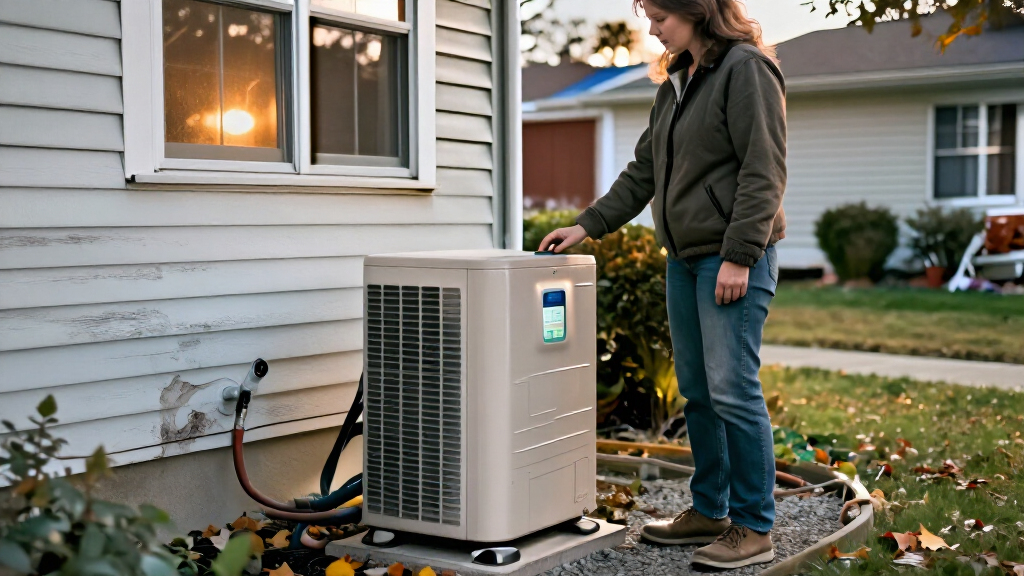
Heat pumps can provide both heating and cooling, potentially replacing separate systems and, in some homes, gas furnaces. The shipment figures measure equipment moving through the market; they do not by themselves establish how many systems were installed, which households bought them, or why customers chose them.
Demand Without the Federal Credit
The shipment trend suggests that the tax credit’s expiration has not caused an immediate collapse in the heat pump market. That matters to households weighing the upfront cost of replacing heating and cooling equipment, and to installers and manufacturers planning around demand. It also offers an early indication of how the sector may respond to reduced federal support.
However, shipments are not the same as completed installations or a full measure of consumer demand. The available data cover only the first half of 2026, and the report’s projection that the year could match or exceed a previous peak is not a final result. The figures also do not establish that the credit had little effect on buyers; they show that shipments stayed strong after it ended.
As an affiliate, we earn on qualifying purchases.
Why Buyers May Still Choose Heat Pumps
Several factors could help explain why shipments held up. University of California, Berkeley business professor Lucas Davis has argued that subsidies may be less influential than local conditions such as geography, climate and electricity prices. The source report also says contractors told the trade publication ACHR News that they were often the ones introducing customers to the tax credit, rather than customers asking about it themselves.
Some households may still be able to use state or utility incentives, which vary by location. The report also points to local policies encouraging households to move away from fossil-fuel heating and to contractors’ increased familiarity with heat pumps. These are possible contributors, not proof that any single factor caused the shipment trend.
The federal credit’s early end is part of a broader reduction in federal incentives described in the source report, which also mentions support for rooftop solar, batteries and other clean energy technologies. The reported heat pump figures provide a specific market signal, but do not establish how those other sectors are performing.
“It may simply be that these factors are much more important than subsidies for driving adoption behavior.”
— Lucas Davis, business professor at the University of California, Berkeley, in the same blog post
Full-Year Sales Still Unknown
The report provides a strong first-half reading and a projection, but the final 2026 shipment tally is not available. It is also unclear from the reported figures whether shipments translated into an equal rise in installations, how performance varied by region or equipment type, or how much of the market’s resilience reflects state and utility incentives.
The data do not show what would have happened if the federal credit had remained in place. Nor do they establish that the credit was unimportant to all customers. The source report offers expert interpretation and contractor accounts as possible explanations, while the shipment figures document the market trend.
The Year-End Shipment Count
The next key milestone is the complete 2026 shipment tally, which will show whether the market matched or exceeded its best year. That result can clarify whether the first-half strength continued, but shipment data alone will not answer why households made their decisions or how many systems reached installation.
Readers can also watch for further reporting on regional sales, available state and utility incentives, and installer activity. Until those details emerge, the clearest confirmed finding is that shipments stayed strong in the first half despite the federal credit’s expiration.
Key Questions
What happened to the federal heat pump tax credit?
The 25C tax credit, which offered households up to $2,000 toward heat pumps, expired at the end of 2025, according to the source report.
Did heat pump shipments fall after the credit expired?
The report says shipments remained strong in the first half of 2026. It does not provide a final full-year total or establish how shipments compared with every prior period.
Does the shipment data prove the tax credit did not matter?
No. The data show that shipments held up after the credit ended, but they do not show what sales would have been if the credit had continued or how much it influenced individual buyers.
Can buyers still get help paying for a heat pump?
Some households may qualify for state or utility incentives, according to the report. Availability and terms vary by location, and the report does not list programs for individual areas.
Source: rss
Halloween Picks
halloween
As an affiliate, we earn on qualifying purchases.