TL;DR

Get backup power and energy gear delivered free with Prime
- Fast, free delivery on millions of items
- Prime Video, Amazon Music and more included
- Member-only deals all year
A homeowner in southern Vermont asked GreenBuildingAdvisor readers about using a small electric boiler to provide gentle radiant heat in a well-insulated, 600-square-foot cabin. The post describes a proposed 4–6 kW unit, but does not report a final equipment choice, calculated heat load, operating cost or installation outcome.
A homeowner building a 600-square-foot cabin in southern Vermont has asked GreenBuildingAdvisor readers whether a 4–6 kW electric boiler could provide gentle hydronic radiant heat in the insulated concrete slab. The post describes a planned system, not a completed installation, and gives no verified heat-load calculation or estimate of the boiler’s operating cost.
The cabin is described as very well insulated, with 3 inches of XPS foam beneath the slab, 4 inches of continuous exterior insulation on the walls and 6 inches of continuous insulation on the roof. The homeowner is considering radiant heat primarily to keep the floor comfortable, rather than to serve as the home’s sole heating system.
Other planned or existing heat sources include a 12,000-Btu hyper-heat mini-split in the main living area and a small Hearthstone soapstone wood stove. The homeowner says the radiant system would be run at a relatively low level during winter. The source does not establish how the different systems would be controlled together or how much heat the cabin requires at design outdoor temperatures.
The homeowner says an electric boiler appeals because of its perceived lower upfront cost and compact size, which could matter in a small building with limited mechanical space. They also state that electricity rates in Vermont are “pretty comparable to propane.” That is the homeowner’s description; the post supplies no utility tariff, fuel-price calculation, efficiency assumptions or comparison period to independently verify it.
Small Cabin, Multiple Heat Sources
The question highlights a practical decision for owners of compact, highly insulated homes: whether a relatively simple electric boiler is a suitable way to add warm floors when other heating equipment is already present. In this cabin, the proposed radiant system appears intended for floor comfort, while the mini-split and wood stove provide additional heat. That distinction affects how a system should be sized and evaluated; a boiler intended for supplemental comfort may have different requirements from one expected to heat the entire building.
Initial equipment cost and physical size are only part of the decision. A meaningful comparison would also depend on the building’s calculated heat loss, local electricity and propane prices, system design, controls and expected hours of operation. The source offers no cost figures or measured performance, so it cannot establish whether electric heat would be less expensive to run or whether the suggested capacity would meet the cabin’s needs.
For readers considering a similar project, the post is a request for advice rather than evidence that a particular boiler size or system design is appropriate. Hydronic equipment must be matched to the building and installed as part of a properly designed system. A qualified heating professional can assess the load and the interaction among the boiler, radiant loops, mini-split and stove.
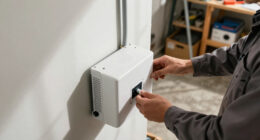
electric boiler for radiant floor heating
As an affiliate, we earn on qualifying purchases.
As an affiliate, we earn on qualifying purchases.
Insulation and Existing Heating Plans
The source is a homeowner question posted to GreenBuildingAdvisor, where the author says electric boilers have been discussed previously and asks for feedback specific to this project. The stated setting is southern Vermont, and the home is a small timber-frame cabin with continuous insulation and an insulated slab.
The author acknowledges that other options, including a heat-pump water-heating approach, may be available, but says they want to explore electric equipment because of expected upfront cost and limited space. Those are the homeowner’s reasons for investigating the option, not a reported finding from a cost comparison or a recommendation by GreenBuildingAdvisor.
The account provides some construction details and heating equipment but not the information needed to confirm a boiler size. It does not include a formal heat-loss assessment, radiant-loop layout, water-temperature requirements, electrical-service capacity or a design temperature for the area. The proposed 4–6 kW range is therefore the homeowner’s estimate, not a published engineering determination.
“My intention with the radiant is to keep it relatively low, but just warm enough to have comfortable toes on the floor in the winter.”
— The homeowner, in the GreenBuildingAdvisor post
Boiler Size and Running Costs
The supplied report does not say whether readers or a heating professional responded, whether the homeowner selected a system, or whether installation began. It also does not confirm that a 4–6 kW boiler would be enough for the cabin, either for floor warming or for whole-home heating.
Actual energy use and cost remain unknown. The post contains no heat-loss calculation, electricity rate, propane price, operating schedule, boiler efficiency specification or expected contribution from the mini-split and wood stove. It also does not state whether the electrical panel and service can support the proposed equipment. Without those details, a reliable cost or sizing conclusion cannot be drawn.
Load Assessment Before Equipment Choice
The next step for the homeowner would be to establish the cabin’s heating load and clarify whether the radiant slab is meant only to maintain floor comfort or to provide a defined share of space heating. A qualified heating-system designer or contractor could use those details to evaluate boiler capacity, radiant-loop design, controls and electrical requirements, while comparing expected operating costs using current local energy prices.
No decision or follow-up milestone is reported in the supplied source. Until one is documented, the electric boiler and its proposed capacity should be treated as options under consideration, not as a confirmed installation or a recommendation for other homes.
Key Questions
Has the homeowner installed an electric boiler?
The source does not report an installation. It presents the homeowner’s question about a proposed system.
Is a 4–6 kW boiler confirmed to be the right size?
No. That range is the homeowner’s estimate. The post includes no verified heat-load calculation or professional sizing recommendation.
Would electric heating cost less than propane in this cabin?
The homeowner says Vermont electricity rates are comparable to propane, but the source provides no prices or calculation to confirm the comparison or estimate this cabin’s costs.
What other heating systems are mentioned?
The cabin is described as having a 12,000-Btu hyper-heat mini-split in the main living area and a small Hearthstone soapstone wood stove, alongside the proposed radiant slab system.
Source: rss
Halloween Picks
halloween
As an affiliate, we earn on qualifying purchases.