
TL;DR

Get backup power and energy gear delivered free — and shop member deals
- Fast, free delivery on millions of items
- Access to Prime Big Deal Days deals on October 6–7
- Prime Video, Amazon Music and more included
The U.S. Department of Energy is allocating $1.9 billion to fund the development and deployment of advanced grid technology. This move aims to enhance energy resilience, support renewable integration, and modernize infrastructure. The announcement signals a significant federal push for smarter, more reliable power systems.
The U.S. Department of Energy (DOE) has announced a $1.9 billion funding boost aimed at accelerating the development and deployment of advanced electric grid technologies. This initiative is part of a broader effort to modernize the nation’s energy infrastructure, improve resilience against disruptions, and facilitate the integration of renewable energy sources. The announcement underscores a significant federal commitment to transforming the power grid into a more flexible, reliable, and intelligent system.
The DOE’s $1.9 billion investment will be distributed through multiple grant programs, targeting innovations in grid management, energy storage, transmission, and cybersecurity. Officials confirmed that the funding aims to support projects that demonstrate scalable, cost-effective solutions capable of handling the increasing demands of renewable energy and distributed generation. The initiative also seeks to bolster grid resilience against extreme weather events and cyber threats, which have become more frequent and severe in recent years.
While the exact allocation breakdown and specific project recipients have not yet been publicly disclosed, the DOE emphasized that the funding aligns with ongoing efforts to modernize the grid under the Biden administration’s clean energy and infrastructure goals. Industry analysts note that this level of federal support could catalyze private sector investments and accelerate innovation in grid technologies, which have historically faced challenges related to high costs and regulatory hurdles.
Implications for Energy Resilience and Clean Energy Goals
This $1.9 billion boost is a major step toward modernizing the U.S. energy grid, which is crucial for achieving broader climate and energy security objectives. By funding innovative technologies, the initiative aims to enhance the grid’s ability to integrate increasing amounts of renewable energy, such as wind and solar, which require more flexible and intelligent infrastructure. Additionally, strengthening grid resilience against extreme weather events and cyberattacks is vital for maintaining reliable power supplies, especially as climate change intensifies these threats.
Industry experts suggest that this federal investment could lead to faster deployment of smart grid systems, improved energy storage solutions, and more secure transmission networks. Ultimately, these advancements could lower costs for consumers, reduce greenhouse gas emissions, and support the transition to a cleaner energy future.
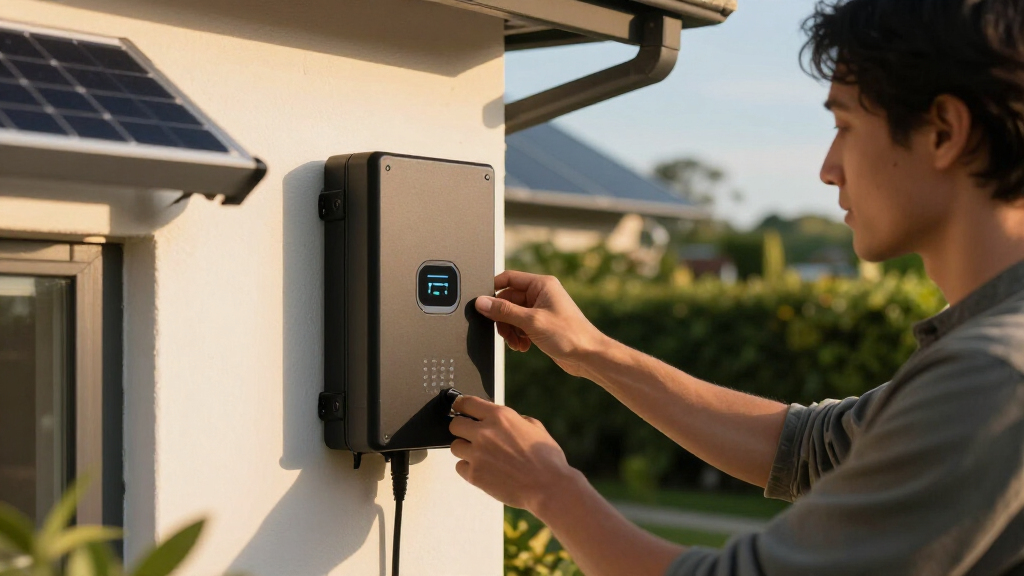
smart grid energy management system
As an affiliate, we earn on qualifying purchases.
As an affiliate, we earn on qualifying purchases.
Recent Trends in Grid Innovation and Federal Support
Interest in advanced grid technology has been rising over the past year, driven by increasing concerns over climate change, energy security, and grid vulnerabilities. Search interest for terms like ‘smart grid,’ ‘energy storage,’ and ‘grid modernization’ has spiked, reflecting heightened public and industry focus. Analysts attribute this trend partly to the Biden administration’s emphasis on clean energy and infrastructure investments, including the bipartisan infrastructure law enacted in 2021.
While the $1.9 billion funding announcement is a significant development, it aligns with broader, ongoing federal efforts to support grid modernization. Historically, progress in this area has been hampered by high costs, regulatory complexities, and technological challenges, but recent policy signals suggest a more aggressive push to overcome these barriers.
It is important to note that details about specific projects, timelines, and implementation strategies remain unconfirmed, and industry stakeholders are awaiting further guidance from the DOE.
Details on Project Selection and Implementation Timeline
Details regarding project selection criteria, specific timelines, and funding distribution are yet to be announced by the DOE. Stakeholders are awaiting further guidance on application procedures and project priorities, which will clarify how funds will be allocated and managed.
Next Steps in Funding Allocation and Project Announcements
The DOE plans to release detailed application guidelines and criteria in the coming weeks. Stakeholders are expected to submit proposals aligned with program objectives, with initial project selections anticipated within a few months. Updates on project scope, funding recipients, and implementation timelines will follow as the process progresses.
Key Questions
What types of projects will the funding support?
The funding aims to support projects related to grid management, energy storage, transmission upgrades, and cybersecurity. Specific project details will be announced as the DOE releases application guidelines.
How will this funding impact renewable energy integration?
The investment is designed to facilitate the integration of renewable sources like wind and solar by funding smarter, more flexible grid infrastructure, which can better handle variable energy inputs.
When will the projects funded by this announcement be operational?
Details about project timelines have not yet been disclosed. The DOE expects to announce initial project selections within the next few months, with deployment timelines varying by project scope.
Will private companies benefit from this funding?
Yes, private sector companies involved in grid technology development are expected to be key beneficiaries, as the funding aims to catalyze private investment and innovation in this sector.
Is this funding part of a larger federal policy effort?
Yes, it aligns with broader federal initiatives, including the Biden administration’s clean energy and infrastructure goals, aiming to modernize the national grid and reduce emissions.
Source: rss
Fall Picks
fall essentials
As an affiliate, we earn on qualifying purchases.