
Emerging metal-free batteries use organic and paper-based materials to create safer, eco-friendly energy storage. These batteries replace scarce or harmful metals with renewable, carbon-based electrolytes and lightweight paper electrodes. They offer benefits like flexibility, cost-effectiveness, and improved safety due to less flammable components. Advances in this field aim to boost performance and cycle life, making them promising alternatives for sustainable energy. Continue exploring to discover how these innovations are shaping the future of clean batteries.
Key Takeaways
- Metal-free batteries utilize organic electrolytes and electrode materials to eliminate reliance on scarce or environmentally harmful metals.
- Paper-based electrodes enable flexible, lightweight, and cost-effective energy storage solutions through innovative fabrication techniques.
- Organic electrolytes derived from renewable sources enhance safety, sustainability, and tunability in emerging battery designs.
- These concepts promote safer, eco-friendly batteries with reduced flammability and environmental impact.
- Ongoing research focuses on improving performance, cycle life, and discovering new organic materials via advanced methods like machine learning.
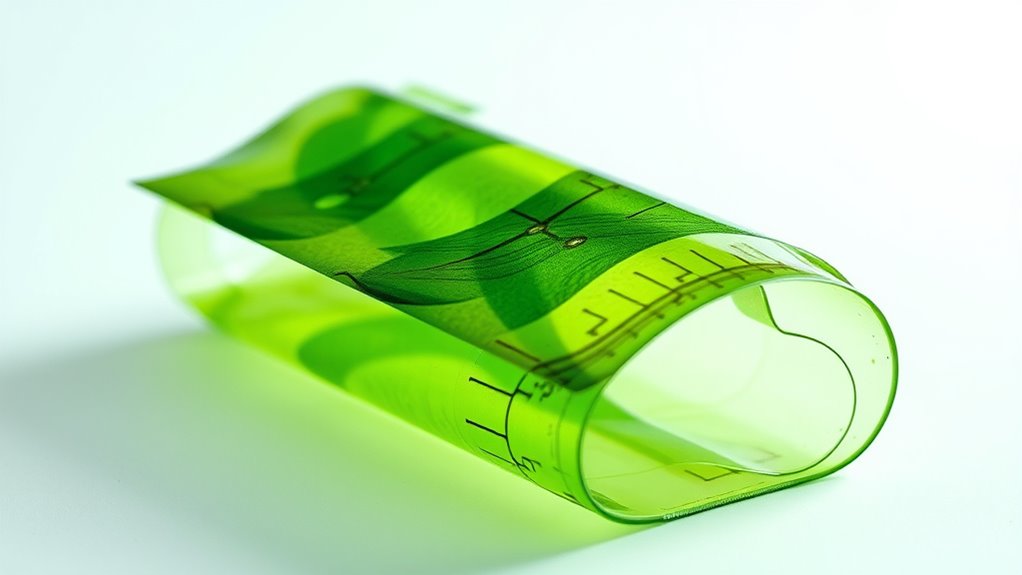
Metal-free batteries are gaining attention as a sustainable alternative to traditional energy storage solutions. These innovative systems aim to reduce reliance on scarce or environmentally harmful metals, making them more eco-friendly and potentially more cost-effective. One of the key aspects driving this development is the use of organic electrolytes, which replace conventional mineral-based ones. Organic electrolytes consist of carbon-based molecules that facilitate the movement of charge within the battery, offering advantages like flexibility, safety, and tunability. Because they are often derived from renewable sources, organic electrolytes align well with the goal of creating greener energy storage options. When working with these electrolytes, you’ll find that their compatibility with various electrode materials allows for a broad spectrum of design possibilities, especially when combined with paper electrode fabrication methods. Paper, being lightweight, flexible, and abundant, serves as an excellent substrate for electrochemical components. In the context of metal-free batteries, paper electrodes can be easily engineered to include active materials that store and release energy efficiently. This approach not only reduces manufacturing costs but also simplifies the fabrication process, making it more accessible for scalable production. As you explore paper electrode fabrication, you’ll notice how the porosity and surface area of paper enhance electrochemical reactions, leading to improved performance. The process typically involves impregnating the paper with conductive inks or active materials, forming a composite that functions as an electrode. This method allows you to create flexible, lightweight batteries that can be integrated into various applications, from wearable devices to large-scale energy storage. furthermore, the combination of organic electrolytes and paper electrodes results in safer batteries, as organic electrolytes are less volatile and flammable compared to traditional liquid electrolytes, reducing the risk of thermal runaway. The sustainability aspect becomes even more evident when you consider that both organic electrolytes and paper materials can often be sourced from renewable resources, minimizing environmental impact. As you work on developing these batteries, you’ll find that ongoing research focuses on optimizing the electrochemical properties, increasing energy density, and improving cycle life. Innovations in organic electrolyte formulations and paper electrode design continue to push the boundaries of what’s possible in metal-free battery technology. Additionally, advancements in machine learning algorithms are accelerating the discovery of new organic compounds and materials, further enhancing battery performance. Overall, embracing organic electrolytes and paper electrode fabrication paves the way for cleaner, safer, and more adaptable energy storage solutions, making metal-free batteries a promising frontier in sustainable technology.
As an affiliate, we earn on qualifying purchases.
Frequently Asked Questions
What Are the Main Environmental Benefits of Metal-Free Batteries?
You’ll benefit from metal-free batteries because they substantially reduce toxicity, making disposal safer for the environment. Recycling benefits are also enhanced since these batteries use biodegradable or less hazardous materials, which eases waste management. By avoiding toxic metals, you help decrease pollution, protect wildlife, and reduce the environmental footprint, all while supporting sustainable energy solutions. These eco-friendly batteries contribute positively to a cleaner, healthier planet for everyone.
How Do Organic Batteries Compare in Lifespan to Traditional Metal-Based Ones?
You’ll find that organic batteries generally have shorter lifespan than traditional metal-based ones, mainly due to lower battery longevity and organic durability issues. While they can perform well initially, their capacity tends to decline faster over time, which means frequent replacements. However, ongoing research aims to improve their durability, making organic batteries more viable for sustainable applications. So, expect some trade-offs between environmental benefits and long-term performance.
Are Paper-Based Batteries Suitable for High-Power Applications?
Paper-based batteries aren’t ideal for high-power applications because their power density is generally lower than traditional batteries. The materials used in paper-based designs often lack the durability needed to handle rapid, high-energy discharges. You’ll find they work well for low-power, short-term uses, but for high-power needs, their limited material durability and lower power density make them less suitable compared to metal-based or advanced organic batteries.
What Are the Most Significant Challenges in Commercializing Metal-Free Battery Technology?
Think of bringing metal-free batteries to market like planting a delicate garden; without proper care, it struggles to grow. The biggest challenges are scalability hurdles and material stability. You need consistent, large-scale production methods, and the materials must withstand repeated use without degrading. Overcoming these issues requires innovation in manufacturing processes and developing more durable organic and paper-based components, ensuring these batteries can thrive commercially.
How Cost-Effective Are Organic and Paper-Based Batteries for Large-Scale Use?
Organic and paper-based batteries can be quite cost-effective for large-scale use because their raw material costs are lower and production scalability is improving. You’ll find that these materials are abundant and easier to process, which helps reduce expenses. However, achieving consistent quality and large-scale manufacturing remains a challenge, potentially impacting overall cost-effectiveness. With ongoing research and development, they could become a more viable alternative in the future.
Conclusion
Imagine a future where your devices hum with life, powered by the gentle thrum of organic and paper-based batteries—clean, sustainable, and boundless. You hold the promise of a world freed from toxic metals, where innovation blooms like a vibrant garden of eco-friendly energy. As these metal-free batteries awaken, they ignite hope within you for a brighter, greener tomorrow—one where technology and nature thrive side by side, lighting the way forward with pure, sustainable power.