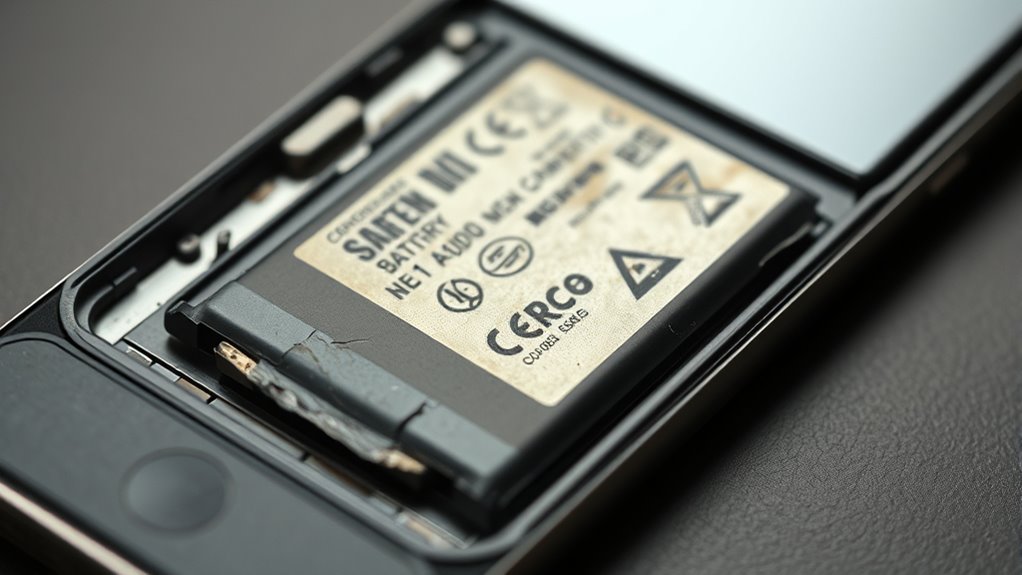

To spot counterfeit cell phone batteries, check for poor packaging, misspelled labels, or missing safety marks like holographic seals and official barcodes. Fake batteries often feel heavier or lighter and lack genuine serial numbers or certifications. Always buy from trusted sources and verify serial codes online if you can. Recognizing these signs helps keep your device safe and performs efficiently—if you want to learn more about protecting yourself from fakes, keep exploring.

Get backup power and energy gear delivered free with Prime
- Fast, free delivery on millions of items
- Prime Video, Amazon Music and more included
- Member-only deals all year
Key Takeaways
- Check for official safety certifications, holographic seals, and serial numbers to verify authenticity.
- Inspect packaging for poor quality, misspellings, or missing branding indicating a counterfeit.
- Be cautious of significantly lower prices; genuine batteries typically have consistent pricing.
- Use trusted vendors or purchase directly from manufacturers to ensure genuine products.
- Avoid unsealed or tampered batteries to reduce safety risks like overheating or fires.
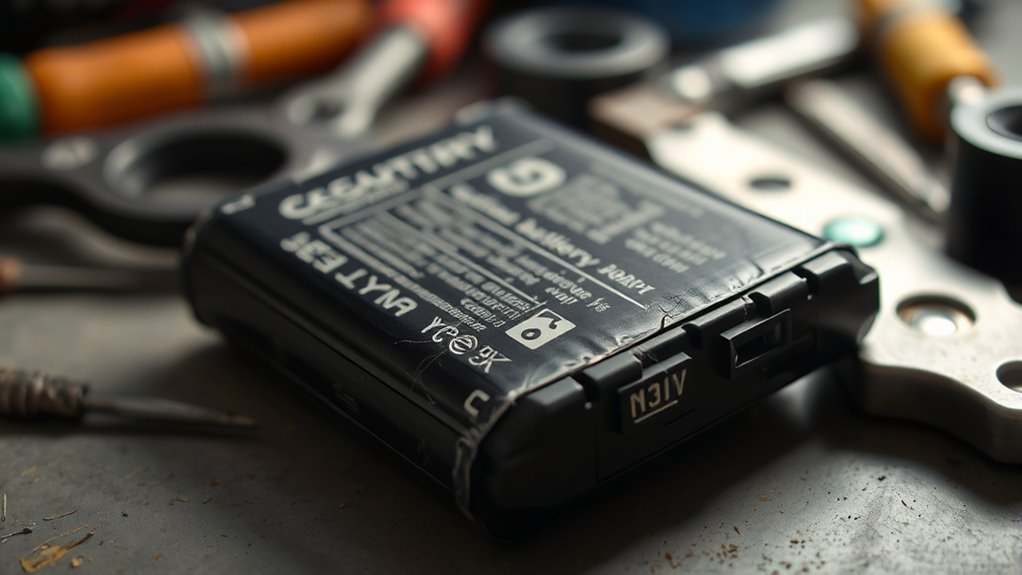
Have you ever wondered how safe your cell phone battery really is? Many people don’t realize that the safety of their device depends heavily on proper battery manufacturing and the ability to detect counterfeit products. When you buy a new cell phone or replace your battery, it’s essential to consider where it comes from. Counterfeit batteries are increasingly common and pose serious risks, including overheating, swelling, or even fires. These fake batteries often look like genuine ones but are made with subpar materials, which can compromise your safety. That’s why understanding how to spot counterfeit detection methods is vital for protecting yourself and your device.
Knowing how to spot fake batteries can prevent overheating and safety hazards.
Authentic batteries are manufactured under strict quality control standards. During the battery manufacturing process, reputable companies use high-quality materials and rigorous testing to ensure safety and performance. They follow strict guidelines for chemical composition, design, and assembly, which helps prevent malfunctions. Counterfeit detection, on the other hand, is a critical step to avoid falling victim to fake products. It involves checking for signs like poor packaging, misspelled labels, or irregularities in the battery’s shape and weight. Many counterfeit batteries lack the proper safety certifications or official markings, making them easy to identify once you know what to look for.
When you’re shopping for a replacement or spare cell phone battery, it’s best to buy from trusted vendors or directly from the manufacturer. If the price seems too good to be true, that’s a red flag. Counterfeit batteries often come at a fraction of the cost of genuine ones but can be dangerous. To further protect yourself, inspect the packaging carefully for authenticity. Genuine batteries usually have holographic seals, barcodes, and serial numbers that can be verified online. Some manufacturers also include QR codes or tamper-evident labels to assist with counterfeit detection. Avoid batteries that arrive in unsealed packaging or without proper branding, as these are common signs of counterfeits.
Finally, remember that counterfeit detection isn’t just about identifying fake products. It’s also about understanding the importance of safe battery handling and replacement. Using a counterfeit battery can damage your device and pose serious safety hazards. Always opt for batteries produced by reputable companies with transparent manufacturing practices. Additionally, credit card security is essential when purchasing batteries online to protect your financial information. By being vigilant and aware of how to spot counterfeit products, you can ensure your device remains safe and reliable. By knowing the signs of genuine batteries and the risks associated with counterfeit ones, you can keep your device and your safety a top priority.
As an affiliate, we earn on qualifying purchases.
Frequently Asked Questions
How Can I Identify Genuine Versus Counterfeit Battery Packaging?
To identify genuine versus counterfeit battery packaging, check for packaging authenticity by examining the overall quality and details. Look for label inconsistencies like misspellings, blurry images, or misaligned text. Authentic batteries usually have clear, precise labeling and proper branding. If the packaging feels cheap or the label seems suspicious, it’s a sign you might be dealing with a counterfeit. Always buy from trusted sources to guarantee safety and authenticity.
What Are the Signs of a Compromised Cell Phone Battery?
If your cell phone battery is compromised, you’ll notice signs like battery swelling or unusual overheating. Swelling indicates gas buildup, risking damage or injury, while overheating can cause your device to become painfully hot and malfunction. You might also see rapid battery drain or the phone shutting down unexpectedly. If you observe these signs, stop using the battery immediately and replace it to guarantee your safety.
Are There Specific Brands More Prone to Counterfeit Batteries?
Like a magnet attracting fools’ gold, certain brands attract counterfeit risks more than others. You’ll find that popular brands with a strong reputation, such as Apple and Samsung, are more prone to counterfeit batteries. Thieves target these because of their high demand and value. To stay safe, always buy from authorized sellers, and remember that even trusted brands can be faked, so stay vigilant about authenticity.
How Do Counterfeit Batteries Affect Phone Warranty Coverage?
Counterfeit batteries can void your phone’s warranty, meaning you’ll likely face higher repair costs if issues arise. They often have shorter battery lifespan and may cause damage that leads to costly repairs. By using genuine batteries, you protect your warranty coverage and guarantee maximum performance. Avoid counterfeit products to save money and prevent potential damage, keeping your device reliable and your warranty intact.
Can Counterfeit Batteries Cause Long-Term Device Damage?
Counterfeit batteries are like rogue sailors risking your device’s voyage. They can cause long-term damage, shortening your battery lifespan and compromising charging safety. Over time, these fake batteries may leak, swell, or even cause internal corrosion, damaging your phone’s delicate components. You’ll notice decreased performance and unexpected shutdowns, forcing costly repairs. Protect your device by using genuine batteries and avoiding counterfeit products to guarantee safe, reliable charging and extend your phone’s life.
Conclusion
To keep yourself safe, always buy batteries from trusted sources and check for genuine labels. Many believe counterfeit batteries can explode or cause fires, but studies show they often just underperform or wear out faster. While not always dangerous, using authentic batteries reduces risks and ensures your device works properly. Don’t fall for cheap copies—protect yourself and your device by choosing quality. Remember, a little caution conserves a lot of trouble down the line.
Halloween Picks
halloween
As an affiliate, we earn on qualifying purchases.