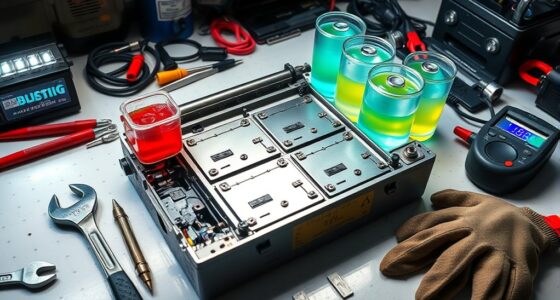
You should avoid reconditioning a battery if it shows signs of damage—like swelling, leaks, or corrosion—as these indicate safety risks like fire, chemical leaks, or explosions. Don’t attempt repairs on batteries with internal damage or significant capacity loss, especially if chemical hazards are involved. Reconditioning unsafe batteries can cause more harm and environmental harm. Staying cautious protects you and the environment. Keep going to discover more about when and how to handle batteries safely and ethically.

Get backup power and energy gear delivered free with Prime
- Fast, free delivery on millions of items
- Prime Video, Amazon Music and more included
- Member-only deals all year
Key Takeaways
- Avoid reconditioning batteries with visible leaks, swelling, or corrosion due to safety hazards.
- Do not attempt reconditioning on batteries that show significant capacity loss or internal damage.
- Refrain from reconditioning batteries containing chemicals that pose high health or environmental risks.
- Never recondition batteries deemed unsafe or beyond repair by professionals.
- Prioritize proper disposal over reconditioning when safety or ethical concerns outweigh potential benefits.
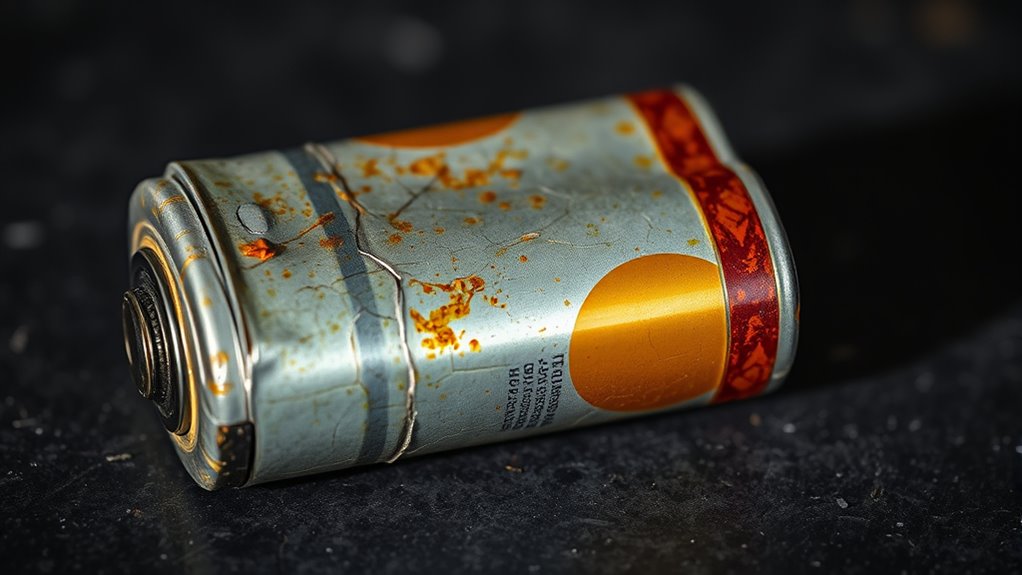
Reconditioning a battery can save you money and extend its lifespan, but there are times when it’s not worth the risk. Before attempting any reconditioning process, you need to take into account battery safety, as mishandling can lead to dangerous situations. Batteries, especially lead-acid and lithium-ion types, can pose fire hazards, leak harmful chemicals, or even explode if improperly handled. If you notice corrosion, leaks, or swelling, it’s a clear sign that the battery’s safety is compromised, and attempting to recondition could put you at risk. Always wear protective gear—gloves, goggles, and proper clothing—and work in a well-ventilated area to minimize exposure to toxic substances. Recognize that some batteries are beyond safe repair, and pushing to recondition them may do more harm than good. Additionally, battery chemistry plays a critical role in determining whether reconditioning is feasible or safe, as some types are more prone to dangerous reactions during repair attempts. In addition to safety concerns, ethical considerations play a crucial role when deciding whether to recondition a battery. If a battery is heavily damaged or degraded, reconditioning might not restore it to a safe or functional state. In such cases, continuing to use or attempt to repair the battery could result in unsafe conditions for yourself and others. It’s essential to evaluate whether reconditioning is truly a sustainable, responsible choice or if it’s better to recycle the battery properly. Disposing of batteries improperly can cause environmental harm, releasing toxic chemicals into the soil and water. Many regions have strict regulations regarding battery disposal, so always adhere to local guidelines. Ethically, you should prioritize environmentally friendly practices and avoid prolonging the use of a compromised battery that may fail unexpectedly or leak hazardous substances. Furthermore, some batteries are simply not worth reconditioning because their internal components are too degraded or damaged. If a battery’s capacity has diminished considerably, or if it exhibits frequent failures, reconditioning efforts may be futile. In such situations, attempting to revive it may lead to more problems, including safety risks and reduced battery life. Remember, the goal is to ensure safety and uphold ethical standards. If you’re unsure about the condition of your battery, consult with professionals or replace it instead of risking accidents or environmental damage. Ultimately, knowing when to stop reconditioning—when safety and ethical considerations outweigh potential benefits—protects you and the environment from harm while ensuring responsible use of resources.
battery safety gloves and goggles
As an affiliate, we earn on qualifying purchases.
As an affiliate, we earn on qualifying purchases.
Frequently Asked Questions
Can Reconditioning Batteries Cause Environmental Harm?
Reconditioning batteries can reduce environmental impact by extending their lifespan, but it also poses disposal concerns if not done properly. If you don’t follow safety protocols, harmful chemicals might leak, causing environmental harm. Always guarantee proper handling and recycling of damaged or unused batteries. When done responsibly, reconditioning minimizes waste, but neglecting safety and disposal guidelines can lead to pollution and health hazards, so stay informed and cautious.
Are There Legal Restrictions on Reconditioning Certain Batteries?
Did you know that over 60% of batteries are protected by strict legal restrictions? You need to check local regulations before reconditioning certain batteries, especially lithium or sealed types. These restrictions exist to maintain safety and uphold battery warranties. Ignoring them can lead to legal penalties or voided warranties. Always research applicable laws beforehand to guarantee you’re compliant and avoid potential safety hazards or legal issues.
How Does Reconditioning Affect a Battery’s Lifespan?
Reconditioning can extend a battery’s lifespan by restoring its capacity, especially with certain battery chemistries like lead-acid or NiMH. However, improper reconditioning may cause damage or safety hazards, and recycling regulations often limit reconditioning for hazardous chemistries like lithium-ion. Always consider the battery chemistry and local recycling rules before reconditioning, ensuring you’re complying with safety standards and environmental laws to avoid risks and environmental harm.
Is Professional Reconditioning Safer Than DIY Methods?
Think of reconditioning like repairing a delicate clock; professional standards and safety protocols are vital. Professional reconditioning is safer because experts follow strict guidelines, reducing risks like leaks or explosions. I once saw a DIY attempt cause a small fire, highlighting the danger. By choosing professional services, you guarantee proper handling, minimizing hazards and guaranteeing your safety while extending your battery’s lifespan responsibly.
What Are the Signs That a Battery Should Never Be Reconditioned?
You should never recondition a battery if you notice signs of battery failure like swelling, leakage, or corrosion, as these indicate severe damage. If the battery’s case is cracked or shows signs of severe deterioration, reconditioning risks increase considerably. Attempting to recondition such batteries can lead to safety hazards like fires or toxic leaks. In these cases, it’s safest to replace the battery rather than risking injury or damage.
Conclusion
Just like a seasoned sailor knows when to abandon ship to save their crew, you must recognize when reconditioning a battery becomes too risky. Pushing forward without proper expertise or in unsafe conditions is like sailing into a storm blindfolded—reckless and unforgiving. Sometimes, the safest course is to let go and seek professional help, ensuring you don’t become lost in a treacherous sea of hazards. Know when to turn back; your safety is the true treasure.
Halloween Picks
halloween
As an affiliate, we earn on qualifying purchases.