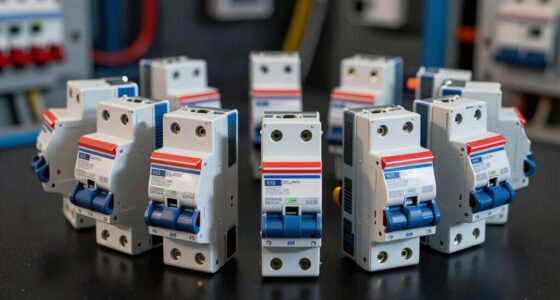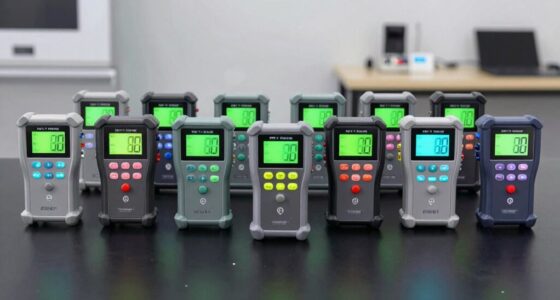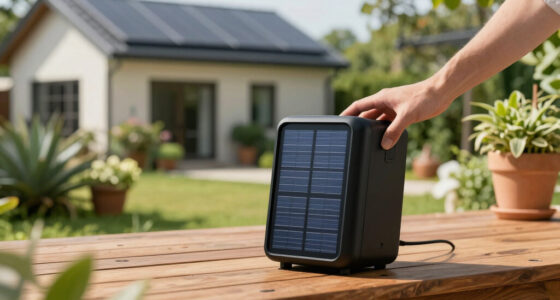
This checklist is for homeowners reviewing fire, carbon monoxide, and electrical safety around home energy equipment, solar systems, and backup power. It brings together detection, surge protection, storage, and maintenance considerations so you can spot gaps before an emergency.

Get backup power and energy gear delivered free with Prime
- Fast, free delivery on millions of items
- Prime Video, Amazon Music and more included
- Member-only deals all year
The sections follow the safety tasks: detect smoke and carbon monoxide, protect electrical equipment, keep fire response in mind, store batteries appropriately, and control electrical work. Each product slot names a pick where one was provided; the extinguisher section offers selection advice only.
Use the checklist to compare each item with your home’s layout, equipment, and installation requirements. Confirm compatibility and placement guidance with product documentation and qualified professionals, especially for hardwired devices, electrical panels, and battery systems.
Smoke Detectors
Smoke detection is a core part of a home safety checklist, including in homes with solar or backup power equipment. A detector’s sensing approach, power source, placement instructions, and maintenance needs all affect whether it fits your household. The listed pick is a photoelectric smoke alarm with a 10-year sensor and battery; review its documentation to understand installation, testing, and end-of-life guidance before choosing it.A common mistake is treating every detector as interchangeable. Check the alarm’s listed use and installation requirements, then compare those with the rooms and areas you need to cover. Follow the manufacturer’s spacing and placement guidance, and avoid assuming that a long-life battery removes the need for routine testing or replacement. If you need interconnected alarms, confirm that this model supports the required arrangement rather than inferring it from another product in the home.
Before buying, verify that the alarm’s mounting method and dimensions suit the intended location and that household members can hear and recognize it. Consider how you will test it and keep track of service dates. For a remodel or a home with existing wired alarms, check compatibility with the current system and consult an electrician if the instructions call for electrical work. Prioritize correct placement, clear instructions, and dependable testing over feature assumptions.
What to look for:
- Photoelectric sensing and the product’s stated intended use
- Battery and sensor service-life instructions
- Mounting method and installation requirements
- Placement guidance for the rooms you need to cover
- Interconnection compatibility, if your home requires it
Photoelectric Smoke Alarm with 10-Year Sensor and Battery – Easy Install for Hom

This photoelectric smoke detector features a 10-year sensor for reliable detection of smoldering fires and smoke. It includes a 9V replaceable battery, a test button, and is easy to install without wiring, making it suitable for living rooms and bedrooms.
Pros:
- Long-lasting 10-year sensor reduces maintenance
- Easy to install without wiring or power outlets
- Includes low battery alert and test button for safety
Cons:
- Adhesive tape not included for alternative mounting
- Requires screw installation which may be challenging for some
- Limited to photoelectric detection, no ionization option
Best for: Households seeking a photoelectric alarm with a stated 10-year sensor and battery
Not ideal for: Homes that require confirmed interconnection or hardwired compatibility without further checking
Bottom line: Check the installation and maintenance instructions against your home’s alarm plan before selecting this photoelectric model.
Carbon Monoxide Detectors
Carbon monoxide detection deserves its own review because a smoke alarm alone does not establish that a home has CO coverage. The listed pick combines smoke and carbon monoxide detection and is described as interconnected. Check the product documentation for the exact alarm functions, power requirements, compatible devices, and installation limits so the combination unit fits your household’s needs.A frequent buying mistake is assuming that “interconnected” means compatible with every alarm already installed. Confirm which models can connect, how the connection is established, and what happens when one unit alarms. Also check where the manufacturer permits installation and whether the unit’s power source and mounting method work in the intended location. Don’t rely on a product title to answer questions about coverage or installation.
Map the locations that need CO detection using the manufacturer’s guidance and any applicable local requirements. Make sure alarms can be heard by occupants, including when doors are closed, and consider accessibility needs when choosing placement. For existing systems, verify compatibility before replacing or adding units; ask a qualified installer if wiring or system changes are involved. Review testing, alarm response, and replacement instructions so everyone at home knows what to do. The useful checks are coverage, compatibility, and clear response plans, not assumptions based on a feature label.
What to look for:
- The product’s stated smoke and CO detection functions
- Interconnection method and compatible alarm models
- Power source and mounting requirements
- Manufacturer placement guidance for CO detection
- Testing, alarm response, and replacement instructions
X-Sense SC07-W Interconnected Smoke and Carbon Monoxide Detector, 6-Pack
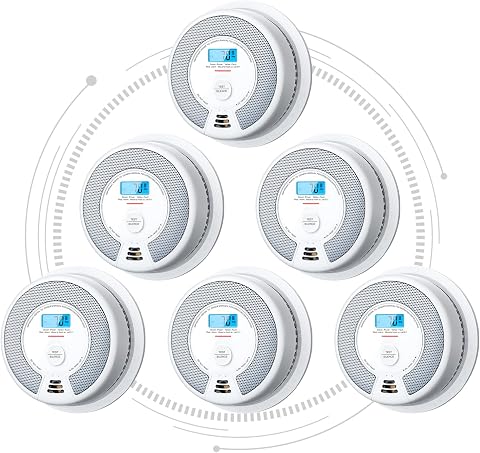
This six-pack of battery-powered alarms detects smoke with a photoelectric sensor and carbon monoxide with an electrochemical sensor. Units wirelessly interconnect across up to 820 feet, sound together when an alarm is triggered, and use sealed lithium batteries rated for 10 years.
Pros:
- Smoke and carbon monoxide detection in one alarm
- Interconnected alarms sound together across the home
- Sealed 10-year battery requires no replacement
- Includes mounting hardware and needs no wiring
Cons:
- Does not support Wi-Fi or base station connection
- Silencing interconnected alarms requires pressing the initiating unit
Best for: Households looking for a combined smoke and CO detector described as interconnected
Not ideal for: Existing alarm systems whose compatibility with this unit has not been confirmed
Bottom line: Verify connection compatibility and placement guidance before adding this combined detector to an existing system.
Surge Protectors
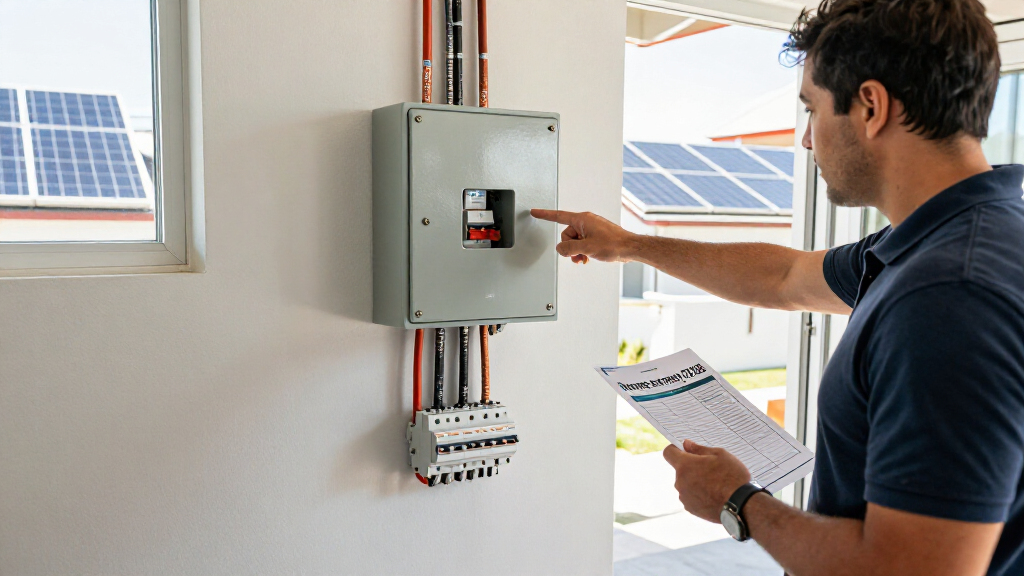
A whole-house surge protection device is a panel-level option to consider when reviewing electrical protection for home energy equipment. The listed Square D Homeline device is identified as a 50 kA, 120/240 model. Those specifications alone do not establish that it fits a particular panel or installation, so confirm the exact panel series, electrical configuration, and manufacturer requirements before purchase.A common mistake is buying by brand or headline rating without checking panel compatibility. Compare the device’s documentation with the panel model and available installation provisions. Confirm whether the work requires a licensed electrician, and do not open or modify an electrical panel unless qualified to do so. Also avoid treating a whole-house device as a substitute for following the equipment manufacturer’s protection and grounding requirements.
For homes with solar, backup generators, batteries, or other energy equipment, ask the installer how the surge device fits into the full system design. Verify the required voltage and wiring configuration against the home and the product documentation. Review any coordination instructions for other protective devices, and keep installation records accessible for future service. The most important checks are panel fit, electrical configuration, and qualified installation. A careful compatibility check helps prevent choosing a device that cannot be installed as intended.
What to look for:
- Exact compatibility with the installed panel series
- The device’s stated voltage and electrical configuration
- Manufacturer installation and wiring requirements
- Whether installation must be handled by a qualified electrician
- Coordination guidance for connected solar or backup equipment
Square D Homeline Whole-House Surge Protection Device, 50 kA, 120/240 V, Plug-On

This compact surge protection device installs in compatible Square D Homeline plug-on neutral load centers and reduces surges that could damage connected household equipment. It requires no wiring and includes an LED status indicator.
Pros:
- No wiring required for installation
- LED status indicator
- Provides surge protection for household equipment, including appliances
Cons:
- Compatible only with Square D Homeline load centers manufactured after 2014
Best for: Homeowners whose panel and electrical configuration match the device documentation
Not ideal for: Panels whose series or installation requirements have not been confirmed
Bottom line: Have a qualified professional confirm panel fit and installation requirements before selecting this whole-house device.
Fire Extinguishers
A fire extinguisher can be part of a home safety plan, but the right choice depends on the fire risks, locations, and instructions that apply to your household. This checklist has no named product pick for this slot. Start by identifying where an extinguisher may be useful and which fire classifications the relevant equipment and local guidance address. Do not assume one extinguisher is appropriate for every room or hazard.A common mistake is choosing by size or appearance without reading the label. Check the extinguisher’s listed fire types, operating instructions, mounting requirements, and maintenance schedule. Consider whether household members can safely access and operate it, and place it where it can be reached without moving toward a fire. Keep the route clear and make sure everyone knows when evacuation is safer than trying to fight a fire.
For solar inverters, batteries, generators, or electrical panels, consult equipment manuals and the fire department or a qualified safety professional about appropriate response and extinguisher guidance. Never approach damaged or burning electrical equipment to retrieve an extinguisher. Review the manufacturer’s inspection and replacement directions, and make sure occupants know how to call emergency services. The core choice is matching the extinguisher to the hazard while keeping escape routes and safe use in view.
What to look for:
- Fire classifications stated on the extinguisher label
- Manufacturer operating, mounting, and maintenance instructions
- A location that is accessible without approaching a fire
- Clear household guidance on evacuation and emergency calls
- Advice from equipment documentation or a qualified safety professional
Battery Storage Cabinets
Battery storage needs careful planning around the battery type, installation, and manufacturer’s safety instructions. The listed cabinet is named a flammable-liquid hazardous storage cabinet and described as fireproof. Those words do not confirm that it is suitable for battery storage. Before considering it, verify the cabinet’s intended use and obtain guidance for the exact batteries and storage arrangement involved.A common mistake is treating a flammable-liquid cabinet as a general-purpose battery cabinet. Battery chemistries and system designs have different requirements, so do not rely on a broad product title to establish suitability. Check whether the battery manufacturer permits enclosed storage and what it says about ventilation, temperature, spacing, and access. Confirm that the cabinet documentation addresses the relevant hazard and use, and do not modify the enclosure based on assumptions.
For a home energy storage system, consult the battery and cabinet manufacturers and the installer or a qualified fire-safety professional before deciding on storage. Verify clearances, environmental limits, electrical connections, and any local installation requirements. Keep the area accessible for inspection and follow the battery maker’s directions for damage, charging, and emergency response. If the cabinet’s approved use does not clearly cover the battery, choose a storage solution recommended for that system. Give priority to documented battery compatibility and safe installation guidance.
What to look for:
- Cabinet documentation that explicitly covers the intended battery use
- Battery manufacturer requirements for enclosure and storage
- Guidance on ventilation, temperature, spacing, and access
- Compatibility with the battery system and installation plan
- Qualified professional and local requirements where applicable
Flammable Liquid Hazardous Storage Cabinet 43"x18"x43" Fireproof Safe

This flammable liquid storage cabinet features reinforced steel construction, dual vents with flame arresters, and a three-point locking system for safety. It offers large capacity with adjustable shelves, suitable for storing up to 45 gallons of flammable materials securely.
Pros:
- Heavy-duty steel construction for durability
- Secure locking system with external padlock
- Large capacity with adjustable shelves
Cons:
- Heavy and potentially difficult to move
- Limited to storing flammable liquids only
Best for: Buyers who can verify the cabinet is approved for their specific battery use
Not ideal for: Battery owners relying on the flammable-liquid cabinet label as proof of suitability
Bottom line: Confirm the cabinet’s intended use with the battery and cabinet documentation before storing batteries in it.
Electrical Lockout Kits
A lockout and tagout kit can help control access to electrical circuits during service when used by people trained for the task. The listed pick is an electrical lockout/tagout kit with circuit breaker lockouts. Check the kit contents and the breaker lockouts’ fit against the specific panel and breakers involved; a general kit description does not establish compatibility with every installation.A common mistake is buying a kit without identifying the breaker types it must accommodate. Compare the lockout devices with the breaker manufacturer and model, and confirm the kit includes the tags and other components needed for the intended procedure. Follow applicable workplace or service procedures and the equipment manufacturer’s directions. A lockout kit does not make electrical work safe by itself, and it should not be treated as a substitute for training or verifying that circuits are de-energized.
Before purchase, list the panels and breaker styles in the home energy system, including any equipment installed for solar or backup power, and confirm each relevant isolation point with a qualified electrician. Ask who will use the kit and whether they understand the applicable lockout procedure. Store it where responsible users can locate it, and keep instructions with the equipment. Focus on breaker fit, complete procedure, and trained use so the kit supports the actual service plan.
What to look for:
- Breaker lockouts compatible with the installed breaker models
- Kit contents, including required tags and securing devices
- Clear instructions for the intended lockout procedure
- Compatibility with relevant solar and backup system isolation points
- Use by people trained for the electrical service task
Electrical Lockout/Tagout Kit with Circuit Breaker Lockouts

This electrical lockout/tagout kit includes keyed-different safety padlocks, circuit breaker and plug lockouts, hasps, tags, nylon ties, and a portable storage bag. It is designed to help electricians and maintenance teams isolate equipment during service and maintenance tasks.
Pros:
- Includes a range of lockout devices and accessories
- Four uniquely keyed padlocks support personal lock control
- Portable bag helps organize and store the kit
Cons:
- Breaker lockout fit may vary across electrical panels
Best for: Trained users who have confirmed compatibility with their breaker models
Not ideal for: Households without a defined procedure or verified breaker fit
Bottom line: Identify the breakers and have a qualified professional confirm the kit supports the intended lockout procedure.
Build the checklist in a practical order: first address smoke and carbon monoxide detection, then confirm electrical panel protection and safe service procedures. Next, resolve battery storage requirements using system documentation, and choose fire extinguishers based on the hazards and qualified guidance for your home. This order helps focus attention on coverage, compatibility, and safe response before adding equipment.
You do not need to solve every detail at once. Work through one area, verify the instructions for your equipment, and bring in a qualified professional whenever installation or electrical work calls for it. A careful review can make your home energy setup easier to understand and maintain; steady, informed checks are a useful place to start.
Halloween Picks
halloween
As an affiliate, we earn on qualifying purchases.