TL;DR
Solar-powered laptop chargers convert sunlight into energy, offering eco-friendly, portable power. Recent advances boost efficiency and usability, but their performance depends on sunlight and device compatibility.
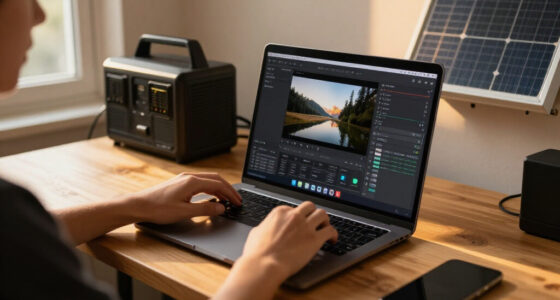
Imagine sitting in a remote mountain cabin, your laptop running low, but the sun’s rays pouring through the window. You reach for your solar-powered charger—quiet, clean, and ready to convert sunlight into the energy that keeps you connected. This isn’t science fiction; it’s a growing reality for outdoor enthusiasts, remote workers, and emergency preppers.
In this article, you’ll learn how solar chargers turn sunlight into usable power, what recent tech improvements make them more practical, and how to choose one that fits your lifestyle. Whether you’re camping in the woods or preparing for blackouts, understanding your options can keep your devices alive without relying on the grid.
Choose a solar charger with wattage matching your laptop’s power needs—most range from 15W to 100W+.
Opt for foldable, lightweight models if portability matters, especially for outdoor use.
Recent advances in solar cell tech have increased efficiency, making chargers more reliable in low-light conditions.
Built-in batteries add flexibility, allowing you to store energy and use it during cloudy days or at night.
Performance depends heavily on sunlight; plan for longer charging times indoors or on overcast days.
What Makes a Solar Laptop Charger Work and Why It Matters
Solar laptop chargers are devices that capture sunlight and convert it into electrical energy, specifically designed to power or charge laptops. They typically feature high-efficiency solar panels, a power regulation system, and various connectors for your device.
Understanding how these components work together is crucial because it directly impacts the charger’s effectiveness and safety. For example, high-efficiency solar panels ensure more energy collection in less space, which is vital when portability is a priority. The power regulation system safeguards your device from voltage spikes or fluctuations, preventing potential damage. Various connectors determine compatibility, which affects whether your laptop can be charged efficiently or at all.
Why it matters: knowing the inner workings helps you evaluate tradeoffs—like choosing between a lightweight, foldable panel that might have lower wattage versus a heavier, rigid panel with higher output. It also influences your expectations; a charger with advanced regulation and high-efficiency panels will perform better in varied outdoor conditions, ensuring your device stays powered even when sunlight is inconsistent.

Portable Power Station, 146Wh 100W Solar Powered Power Bank with AC Outlet
- High Capacity Portable Power Station: 146Wh/39600mAh for multiple devices
- Lightweight and Compact Design: Weighs only 3.3lb, fits in backpack
- Multiple Charging Outputs: 7 outlets including AC, USB, DC
As an affiliate, we earn on qualifying purchases.
As an affiliate, we earn on qualifying purchases.
How to Pick the Perfect Solar Charger in 3 Simple Steps
- Check your laptop’s wattage: Most laptops need between 45W and 100W. Choose a charger that can supply at least that much. Why? Because undersized chargers will struggle to deliver enough power, leading to slow charging or device shutdowns, especially when multitasking or using power-intensive applications. Oversized chargers may be unnecessary, adding weight and cost without added benefit.
- Assess portability and design: Will you carry it in a backpack? Look for foldable, lightweight models with durable materials. The tradeoff here is often between weight and power capacity—more powerful panels tend to be heavier and less portable. Selecting a design that balances your outdoor activity level with your power needs ensures you won’t be weighed down or left powerless when you need it most.
- Compare features and reviews: Look for models with built-in batteries, smart charging circuitry, and water resistance. Read real user reviews to understand how the charger performs in real-world conditions. Features like built-in batteries provide flexibility, allowing you to store energy for cloudy days or nighttime use, but they add weight and cost. Smart circuitry protects your devices from damage, which is critical when relying on variable outdoor conditions. Water resistance ensures durability, but no design is completely impervious—consider your environment carefully.
Compare Top Solar Chargers: Which One Fits Your Outdoor Life?
| Model | Wattage | Size & Weight | Key Feature |
|---|---|---|---|
| BigBlue 28W | 28W | Foldable, 1.1 lbs | Water-resistant, USB-C port |
| Renogy 100W | 100W | Rigid, 10 lbs | High efficiency, suitable for heavy use |
| Anker 21W | 21W | Compact, 1.2 lbs | Smart circuitry, fast charging |
Recent Tech Advances That Make Solar Chargers Better Than Ever
In recent years, solar panel efficiency has jumped significantly, thanks to new materials like perovskite cells, which can convert sunlight into electricity with up to 25% more effectiveness than older silicon panels. This leap in efficiency means that even on less sunny days, your charger can still deliver usable power, reducing the frustration of slow or incomplete charges and expanding outdoor usability. It also implies that smaller, lighter panels can now deliver the same or better performance, making portability easier without sacrificing power.
Many models now include built-in batteries, which serve as energy reservoirs. This feature is particularly valuable because it allows you to store excess energy generated during peak sunlight hours and use it when the sun isn’t shining—like at night or on overcast days. This flexibility can be a game-changer, especially in unpredictable outdoor environments. Additionally, smart circuitry that adjusts power output helps prevent voltage spikes or overcharging, protecting your laptop’s battery health and extending its lifespan. These innovations collectively turn solar chargers from simple accessories into reliable, versatile power sources, capable of supporting a wider range of outdoor activities and emergency situations.
What You Need to Know Before Buying a Solar Charger
Performance depends on sunlight quality and your device’s power needs. If you’re outdoors on a bright summer day, a 50W panel can give you a full charge in 4-6 hours. On a cloudy day, it might take twice as long. This variation matters because it influences how you plan your outdoor activities—knowing that cloudy conditions can significantly extend charging times helps you set realistic expectations and avoid device shutdowns.
Price varies from about $50 for small, basic models to over $300 for premium, high-capacity units with batteries and smart features. While cost is a factor, investing in a more capable, durable model often results in better reliability and safety. Always check compatibility—some chargers are designed for USB-C, others for DC or proprietary connectors. Mismatched connectors can lead to ineffective charging or even damage, so verifying compatibility prevents costly mistakes.
Look for durability features like water resistance or rugged casing if you plan to use the charger outside. These features protect against environmental damage but are not foolproof; no device is completely impervious. Reading user reviews provides insights into real-world performance, helping you select a model that balances cost, durability, and efficiency for your specific needs.
Your Burning Questions About Solar Laptop Chargers Answered
Are solar-powered laptop chargers worth it? They’re excellent for outdoor trips, emergencies, or reducing energy costs, but their effectiveness hinges on sunlight availability. This means slower charging indoors or during overcast conditions, which can limit their practicality for daily use. However, in situations where grid access is unavailable, they provide a vital backup power source that can keep essential devices running, especially if you plan ahead and manage your energy consumption.
Can they fully replace regular chargers? Generally, not entirely. They serve best as supplementary or backup sources because high-power laptops require substantial energy input that can be slow to generate outdoors. Relying solely on solar chargers for daily intensive use might lead to inconvenience, but combining them with traditional chargers or batteries can enhance your overall energy resilience.
How much sunlight do I need? About 4-8 hours of direct sunlight can fully charge a typical laptop with a 50W charger. The exact time depends on factors like panel efficiency, angle, and weather. On cloudy days, expect longer charging durations or reduced output, which underscores the importance of planning your outdoor activities around sunlight availability.
Are they safe for my laptop? Yes, provided you choose a quality charger with proper voltage regulation and protection features. Cheaper, uncertified models pose risks of voltage spikes or inconsistent power delivery, which can damage your device’s battery or internal components. Investing in reputable brands ensures safer and more reliable operation, safeguarding your device’s longevity.
What brands should I trust? Look at established brands like Anker, Renogy, BigBlue—these have a track record for quality and durability. Checking independent reviews and certifications helps confirm their reliability, giving you peace of mind that your investment will perform as expected over time.
Conclusion
Solar laptop chargers are transforming outdoor power options—more efficient, portable, and eco-friendly than ever. They won’t replace your wall outlet entirely, but for camping, emergencies, or reducing your carbon footprint, they’re a smart tool.
Pick the right model, understand its limits, and you’ll stay connected no matter where you are. The sun is a reliable power source—your device just needs the right partner to harness it.