Busbars and fuse blocks deserve more attention because they’re essential for safe, efficient electrical systems. They minimize energy loss, enhance performance, and protect against overloads that could cause fires. Unfortunately, they’re often overshadowed by trendier components. By recognizing their importance, you can guarantee better power distribution and a more reliable infrastructure. Investing in these foundational elements not only boosts safety but also efficiency. Discover how focusing on these components can elevate your electrical setup.
Key Takeaways
- Busbars enhance electricity transfer efficiency, reducing energy loss and improving system performance.
- Fuse blocks protect against overloads, preventing electrical fires and safeguarding equipment.
- Often overlooked, these components are vital for reliable power distribution and system integrity.
- Investing in busbars and fuse blocks significantly increases overall safety in electrical installations.
- Recognizing their importance fosters proactive safety measures and enhances long-term electrical efficiency.
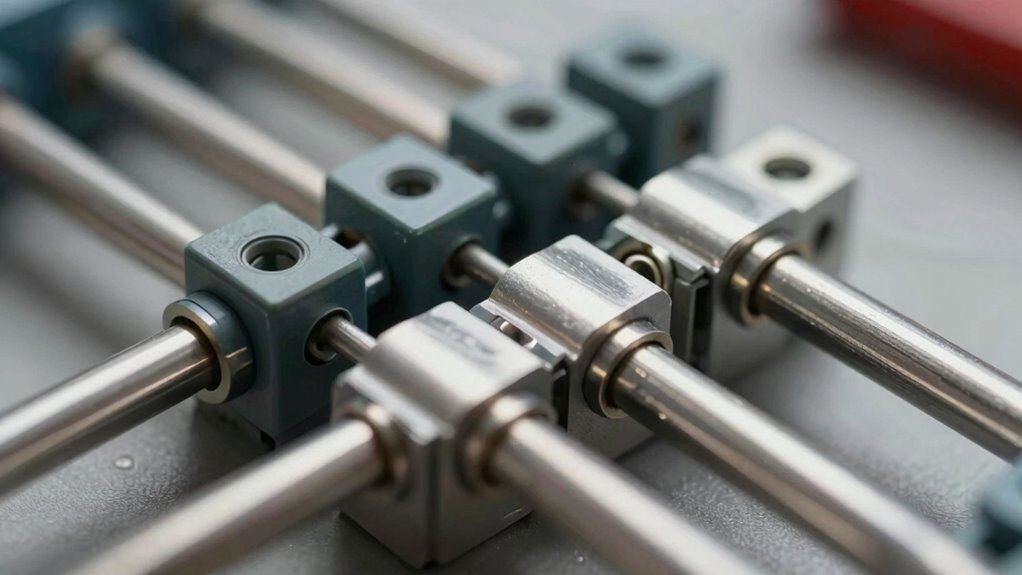
Busbars and fuse blocks are fundamental components in electrical systems, serving as the backbone for efficient power distribution. They might not get the spotlight they deserve, but their role in ensuring that electricity flows smoothly and safely cannot be overstated. When you think about your electrical setup, it’s easy to overlook these unsung heroes. However, recognizing their importance can lead to better systems and enhanced electrical safety.
Busbars and fuse blocks are essential yet often overlooked components, crucial for efficient power distribution and electrical safety.
When you consider power distribution, busbars come into play as conductive materials that allow for the efficient transfer of electricity. They minimize resistance, which means less energy loss and improved overall performance. You want your electrical system to work effectively, and busbars help by providing a reliable path for the current. Using them means you can manage larger loads without the risk of overheating or failure, which is essential for maintaining the integrity of your electrical setup.
On the other hand, fuse blocks are equally important. They act as a safeguard, breaking the circuit when there’s an overload or short circuit. This protective feature is critical in preventing electrical fires and equipment damage. When you install a fuse block, you’re not just adding a component; you’re enhancing the safety of your entire electrical system. It’s an investment in your peace of mind, knowing that you’ve taken steps to protect your home or business from potential electrical hazards.
You might be wondering why these components don’t get more attention. One reason could be the complexity of electrical systems as a whole. People often focus on flashy components like circuit breakers or outlets, forgetting that the backbone is just as important. However, by prioritizing busbars and fuse blocks, you’re not only ensuring efficient power distribution but also embracing a proactive approach to electrical safety.
In a world where energy consumption is constantly increasing, the need for reliable and safe electrical systems has never been more pressing. By understanding the roles of busbars and fuse blocks, you’re better equipped to make informed decisions about your electrical installations. So next time you’re considering upgrades or new installations, don’t forget to give these fundamental components the attention they deserve. They’re not just accessories; they’re essential to a safe and efficient electrical system, and investing in them is investing in your safety and efficiency.
As an affiliate, we earn on qualifying purchases.
Frequently Asked Questions
How Do Busbars Differ From Traditional Wiring Systems?
Busbars differ from traditional wiring systems mainly in their design and efficiency. You’ll find that busbars consolidate electrical connections, reducing the need for multiple wires, which improves wiring efficiency. This streamlined setup not only saves space but also enhances reliability. Additionally, busbars can handle larger currents with less heat generation, offering busbar advantages like better performance and longer lifespan compared to conventional wiring methods. Embracing this technology can greatly optimize your electrical systems.
What Materials Are Commonly Used in Fuse Blocks?
Did you know that over 80% of electrical failures are linked to poor connections and materials? Fuse block materials commonly include thermoplastics, which provide excellent insulation, and metals like copper or aluminum for conductivity. You’ll often find different fuse block types, such as cartridge or blade fuses, each designed for specific applications. Choosing the right materials and types guarantees safety and reliability in your electrical systems.
Can Busbars Reduce Energy Losses in Electrical Systems?
Yes, busbars can greatly reduce energy losses in electrical systems. By providing a low-resistance path for electrical current, they enhance energy efficiency and improve overall electrical performance. With fewer connections and shorter runs compared to traditional wiring, busbars minimize heat generation and voltage drop. This means your system operates more effectively, resulting in lower energy costs and a longer lifespan for your components. You’ll notice the difference in both performance and savings!
How Do You Maintain Busbars and Fuse Blocks?
To maintain busbars and fuse blocks, you should follow preventive maintenance routines. Regularly inspect connections for corrosion or wear, and guarantee they’re clean. Performance monitoring with appropriate tools helps identify issues early. Always adhere to installation guidelines to prevent future problems. If you encounter issues, use troubleshooting tips like checking voltage levels and verifying proper alignment. Staying proactive about maintenance will enhance reliability and efficiency in your electrical system.
What Are the Safety Standards for Busbars and Fuse Blocks?
Safety standards for busbars and fuse blocks include strict safety regulations and installation guidelines. You should guarantee compliance with the National Electrical Code (NEC) and local codes, which dictate proper sizing, spacing, and securing methods. Regular inspections are vital to identify any wear or damage. Always use qualified personnel for installation and maintenance to avoid hazards. Following these standards helps protect equipment and assures safe operation in electrical systems.
Conclusion
In the world of electrical systems, busbars and fuse blocks are the sturdy bridges that connect power to possibility. Picture a bustling city where each streetlight flickers to life, illuminating the night—this is the magic these components bring. By giving them the attention they deserve, you’re not just ensuring safety and efficiency; you’re nurturing the very veins that pulse energy through our lives. So, let’s shine a spotlight on these unsung heroes and keep our power flowing smoothly.