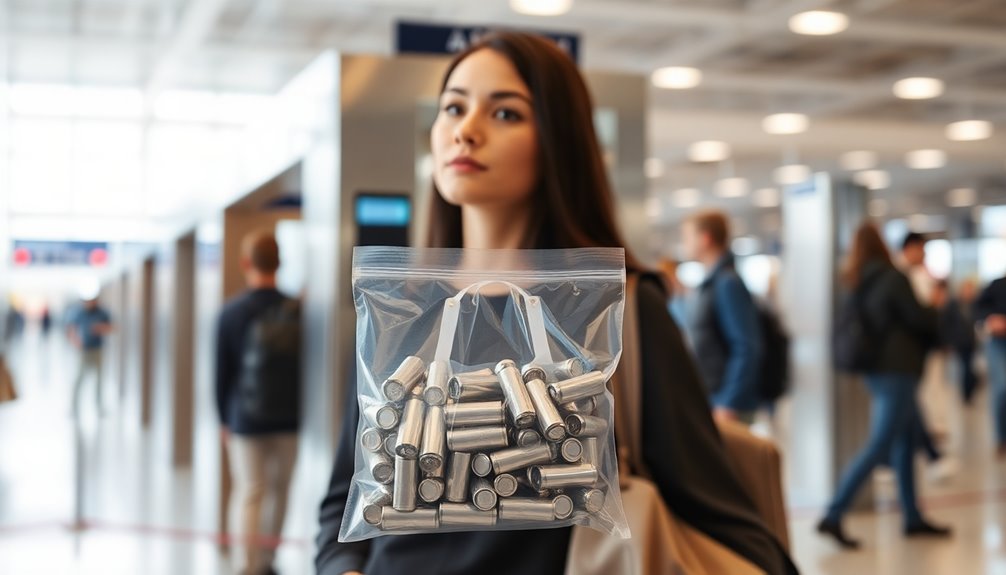
Battery failures overnight often happen because hidden internal flaws, such as microscopic manufacturing defects or material inconsistencies, weaken the battery over time. Environmental factors like temperature extremes or moisture can accelerate deterioration, especially if you ignore proper storage or charging habits. Poor quality batteries are more prone to sudden failure, even while idle. If you want to understand what causes these silent failures and how to prevent them, the details might surprise you.

Get backup power and energy gear delivered free with Prime
- Fast, free delivery on millions of items
- Prime Video, Amazon Music and more included
- Member-only deals all year
Key Takeaways
- Manufacturing defects or microscopic flaws can cause internal short circuits that lead to overnight battery failure.
- Sudden temperature drops or environmental changes can trigger battery failure, especially if it’s already compromised.
- Overcharging or leaving devices plugged in after full charge can generate heat and damage the battery unexpectedly.
- Internal chemical reactions from aging or poor-quality batteries may accelerate, causing failure during idle periods.
- Moisture exposure or contaminants can weaken internal components, resulting in failure without prior warning.

Have you ever woken up to find your devices dead or your car won’t start unexpectedly? It’s frustrating, especially when you’re caught off guard with no warning. One common reason behind these overnight battery failures often relates to the underlying quality of the battery and how it’s been maintained. Understanding why this happens can help you prevent future surprises. Often, issues trace back to factors like battery manufacturing and your charging habits, which play essential roles in battery longevity and performance.
Battery manufacturing is a key factor that influences how well your battery holds up over time. Not all batteries are created equal. Some are built with higher quality materials and undergo stricter quality control, making them more resistant to sudden failures. Others, especially cheaper or poorly manufactured batteries, can develop microscopic flaws or have inconsistent internal components. These imperfections might not cause problems immediately but can lead to sudden breakdowns after some time, especially if the battery is subjected to stress or adverse conditions. When a battery is poorly manufactured, it’s more prone to internal short circuits or capacity loss, which can cause it to fail unexpectedly overnight. Additionally, battery quality can vary significantly between brands and models, impacting durability over the long term. Proper storage and handling can also influence a battery’s resilience against unexpected failures, especially when combined with preventive maintenance. Furthermore, exposure to moisture or contaminants can further compromise a battery’s integrity, increasing the likelihood of overnight failures. Environmental factors, such as humidity, can accelerate deterioration if the battery isn’t stored properly.
Your charging habits also play an important role in battery health. Overcharging or undercharging can accelerate wear and tear, ultimately leading to failure. For example, leaving your device plugged in for hours after it’s fully charged can cause the battery to heat up, damaging the internal chemistry. Similarly, frequent deep discharges or letting your car’s battery drain completely before recharging can cause the electrodes to degrade faster. If you don’t follow proper charging protocols—such as using the correct charger, avoiding extreme temperatures, and maintaining a regular charging schedule—you risk compromising your battery’s lifespan. Over time, these bad habits can cause the battery to weaken internally, making it more likely to die suddenly, often without warning. Ensuring you use proper charging practices can significantly extend your battery’s life and reliability. Additionally, employing battery management systems can help monitor and optimize your charging routines, reducing the risk of overnight failures.
Additionally, environmental factors like extreme cold or heat can worsen existing vulnerabilities in your battery, leading to failures overnight. Cold weather, in particular, can reduce a battery’s ability to produce enough power, causing it to appear dead in the morning. On the other hand, heat can accelerate chemical reactions inside the battery, hastening capacity loss. If you combine poor charging habits with subpar battery manufacturing and harsh conditions, the chances of waking up to a dead device markedly increase. Proper storage conditions and avoiding exposure to extreme temperatures can help mitigate these risks. Being aware of your environment and taking preventive measures can help maintain your battery’s health over time. Regularly inspecting and replacing aging batteries before they fail can also prevent unexpected overnight power losses.
high quality rechargeable batteries
As an affiliate, we earn on qualifying purchases.
As an affiliate, we earn on qualifying purchases.
Frequently Asked Questions
Can Temperature Fluctuations Cause Overnight Battery Failures?
Yes, temperature fluctuations can cause overnight battery failures. When temperatures drop or rise suddenly, thermal expansion occurs, stressing the battery’s internal components. This stress can lead to voltage instability, making the battery less reliable or causing it to fail unexpectedly. You might notice decreased performance or complete failure if your battery isn’t designed to handle such thermal changes, especially during overnight temperature shifts.
Do Manufacturing Defects Contribute to Sudden Battery Failures?
Think of manufacturing flaws as hidden landmines—unexpected and disruptive. Manufacturing defects can definitely cause sudden battery failures, often caught by strict quality control measures. When these flaws slip through, they weaken the battery’s structure or compromise its safety, leading to overnight failures. So, if quality control isn’t meticulous, even a tiny defect can turn your battery into a ticking time bomb, ready to fail unexpectedly.
How Does Age Affect a Battery’s Likelihood of Overnight Failure?
As your battery ages, aging effects cause degradation, increasing the likelihood of overnight failure. Battery degradation weakens internal components, making them more prone to sudden issues, especially during periods of inactivity or low usage. Over time, chemical changes lead to reduced capacity and increased resistance, which can cause the battery to unexpectedly fail even overnight. Regular maintenance and timely replacements help mitigate these aging effects and prevent unexpected failures.
Are There Specific Signs Indicating an Impending Overnight Failure?
Beware of warning signs that signal a slipping, sputtering battery. If your battery shows slow starts, dimming lights, or frequent recharges, it’s time for careful maintenance. These warning signs suggest impending failure, especially overnight. By paying close attention to these cues, you can prevent sudden failures. Regular battery maintenance helps identify issues early, saving you from surprise problems and ensuring your vehicle stays ready whenever you need it.
Can Improper Charging Habits Lead to Overnight Battery Issues?
Yes, improper charging habits can lead to overnight battery issues. Poor charging safety, like overcharging or using incompatible chargers, stresses the battery and accelerates failure. Regular battery maintenance, including avoiding deep discharges and monitoring charge cycles, helps prevent problems. By following proper charging safety and maintaining your battery correctly, you reduce the risk of unexpected failures and extend its lifespan, ensuring reliable performance overnight and beyond.
Conclusion
So, if you ignore those little signs of battery trouble, you’re practically rolling out the red carpet for a disaster that could leave you completely powerless—like waking up to a device that’s more dead than a doornail, just because you didn’t catch the warning signs. Neglecting proper care isn’t just a small mistake; it’s inviting a catastrophe so epic, it’ll make overnight failures look like tiny hiccups in comparison. Don’t let your battery’s failure become the stuff of legend!
Halloween Picks
halloween
As an affiliate, we earn on qualifying purchases.