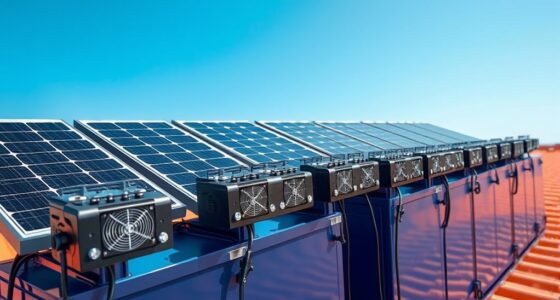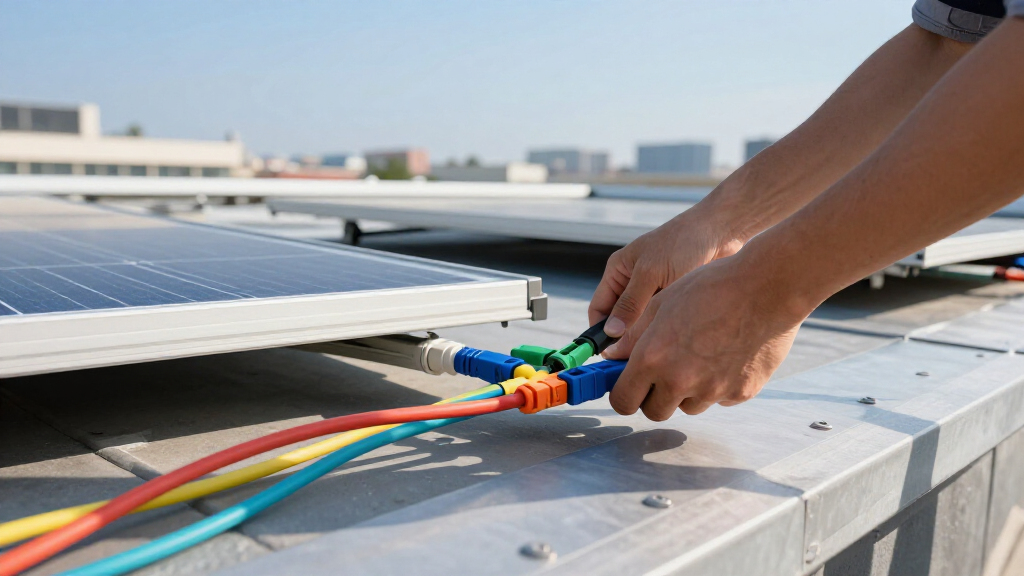

Solar panel extension cables seem like a simple purchase until you realize the wrong gauge or length can quietly throttle your entire array’s output. After comparing 15 of the most popular options, the BougeRV 20 Feet 10AWG Solar Extension Cable stands out as the best overall pick for its balance of conductor quality, connector weatherproofing, and price. For larger RV or off-grid setups, the Vansdon 2×50 Feet kit delivers serious reach without voltage drop concerns, while the Renogy 20FT 12AWG pair is the value choice for smaller systems. The main tradeoffs in this category come down to wire gauge versus run length, single cable versus paired sets, and tool-free versus crimped connectors. Read on for the full breakdown.

Get backup power and energy gear delivered free with Prime
- Fast, free delivery on millions of items
- Prime Video, Amazon Music and more included
- Member-only deals all year
Key Takeaways
- 10AWG dominates this category for good reason: on runs beyond 20 feet, thinner 12AWG and 14AWG cables (like the Renogy pair and the 50FT mixed-gauge option) introduce measurable voltage drop that costs you real wattage.
- Paired sets such as the Vansdon 2×30 and 2×50 kits generally cost less per foot than single cables, making them the smarter buy for anyone wiring both positive and negative legs.
- Short adapters like the Renogy 9-inch pair and the 3FT cable solve routing and connection problems, not distance problems — buying them as your main extension is a common and costly mistake.
- Connector quality varied more than cable quality across the lineup; waterproof MC4-style connectors with solid locking mechanisms separated the top performers from budget options that loosened in vibration-heavy RV use.
- The 50FT cable mixing 10AWG and 14AWG sections is the weakest value in the roundup — the thinner segment becomes the bottleneck regardless of how thick the rest of the run is.






| solar panel extension cable | Length | Gauge | Temperature Range |
|---|---|---|---|
| 10AWG 30FT Solar Panel Extensi | 30 ft | 10 AWG | -40°F to 248°F |
| 10FT 10AWG Solar Extension Cab | 10 ft | 10 AWG | -40°F to 194°F |
| Solar Cable Extension 10Ft 10A | 10 ft | 10 AWG | — |
| Vansdon 2×50 Feet Solar Panel | 2 × 50 ft | 10 AWG | -40°C to 90°C |
| 3FT 10AWG Solar Panel Extensio | 3 ft | 10 AWG | — |
| 30FT 10AWG Solar Panel Extensi | — | 10AWG (6mm²) | -40℉ to 194℉ (-40℃ to 90℃) |
| Vansdon 2×30 Feet Solar Panel | 30 feet (black + red) | — | -40℃ to 90℃ |
| Oududianzi Solar Extension Cab | — | 10 AWG | -40℉ to 194℉ |
| BougeRV 20 Feet 10AWG Solar Ex | — | 10AWG | -40℉ to 194℉ |
| Energeaster 10AWG 20 Feet Sola | 20 feet | — | -40℉ to 194℉ |
| Renogy 9 Inch 12 AWG Solar Ada | 9 inches | — | — |
| Solar Cable 6 Feet 10AWG Solar | 6 feet | 10 AWG | — |
| Renogy 20FT 12AWG Solar Extens | — | 12 AWG | — |
| Energeaster 10AWG 30 Feet Sola | 30 feet | — | -40°F to 194°F |
| 50FT Solar Panel Extension Cab | 50 feet | — | — |
More Details on Our Top Picks
10AWG 30FT Solar Panel Extension Cable with Waterproof Connectors
This 30-foot cable earns the top spot because it balances length, power handling, and weatherproofing better than anything else in this lineup. The IP68 connector rating is a step above the IP67 sealing on the 10FT 10AWG cable with Y Adaptor Kit, which matters if your connections sit exposed to driving rain rather than under a panel frame. A 54 A current ceiling and 1500 V rating also mean it won’t be the bottleneck in a typical RV or home array. Compared with the Vansdon 2×50 Feet, it gives up reach but is far lighter and easier to route through tight gaps. The tradeoff: no mounting hardware or adapter accessories are included, so budget for zip ties and clips separately.
Pros:- IP68 waterproof connectors outperform typical IP67 sealing
- 54 A / 1500 V ratings leave headroom for larger arrays
- Flame-retardant, UV-resistant sleeving survives long sun exposure
- 30 ft length covers most RV and home routing without splicing
Cons:- No mounting hardware or accessories included
- Stiff heavy-duty sleeving can make tight bends awkward
- Connector brand compatibility is not clearly documented
Best for: RV owners and home solar installers running mid-distance panel-to-controller wiring in harsh outdoor conditions
Not ideal for: Buyers doing parallel panel wiring, since it includes no Y adapters like the competing kit does
- Gauge:10 AWG
- Length:30 ft
- Maximum Current:54 A
- Maximum Voltage:1500 V
- Waterproof Rating:IP68
- Insulation:XLPO
- Temperature Range:-40°F to 248°F
- Connector Gender:Male-to-Female
Our verdict“If you want one cable that handles serious outdoor abuse without becoming the weak link in your system, this is the one to buy.”
10FT 10AWG Solar Extension Cable with Connectors and Y Adaptor Kit
What separates this option from every bare cable in the roundup is inclusion of Y branch adapters, which lets you parallel two panels onto a single controller input without buying extra parts. That alone makes it the smarter buy for anyone building a small multi-panel setup, whereas the 3FT 10AWG cable covers only a single short hop. The tinned copper conductor is a genuine quality marker — it resists the corrosion that plain copper suffers in marine and coastal environments. Certification from TÜV and UL also gives it a credibility edge over unbranded rivals here. The obvious compromise is reach: 10 feet disappears fast once you account for routing up walls and around corners, so longer runs still need a 30-foot option.
Pros:- Y branch adapters included for parallel wiring out of the box
- Tinned copper resists corrosion in marine environments
- TÜV and UL certified for safety compliance
- Plug-and-play connections require no crimping
Cons:- 10 ft length limits placement flexibility
- IP67 rating is a notch below the IP68 flagship pick
- Y adapters add cost that single-cable buyers don’t need
Best for: Boat owners and small-array builders who want to parallel panels without purchasing adapters separately
Not ideal for: Installers routing panels across a roof or vehicle, since 10 feet is too short for those runs
- Length:10 ft
- Gauge:10 AWG
- Conductor Material:Tinned-coated copper
- Insulation:XLPE
- Waterproof Rating:IP67
- Temperature Range:-40°F to 194°F
- Certification:TÜV and UL
- Includes:Y branch adapters
Our verdict“The most complete small-setup package here — buy it if you’re paralleling panels, skip it if you just need raw length.”
Solar Cable Extension 10Ft 10AWG with Tool-Free Connectors
The headline feature here is tool-free connectors, and that changes who this cable is for. Where the 10FT Y Adaptor Kit and most competitors expect you to crimp or assemble standard solar connectors, this one snaps together — a real advantage for renters, campers, or anyone without a crimping tool in the drawer. It shares the same 10 AWG / 10 ft footprint as the Y Adaptor Kit, so voltage drop considerations are identical; the difference is purely convenience versus included adapters. Durability is respectable but the 6mm² cross-section and unspecified IP rating put it behind the IP68-sealed 30FT pick for permanent exposed installs. Treat this as the quick-deployment option rather than the build-for-decades one.
Pros:- Tool-free connectors eliminate the need for a crimping tool
- Straightforward plug-and-play setup for beginners
- Weather-resistant jacket suitable for temporary outdoor use
- Broad compatibility with panels, inverters, and controllers
Cons:- Waterproof rating not formally specified, unlike IP67/IP68 rivals
- 10 ft length caps placement flexibility
- Tool-free connectors may not lock as securely as crimped versions
Best for: First-time solar users and portable generator owners who want a connection without crimping tools
Not ideal for: Permanent rooftop installations where a certified, fully sealed connector system is preferable
- Length:10 ft
- Gauge:10 AWG
- Cross-Section:6mm²
- Connector Type:Tool-free solar connectors
- Waterproof:Yes
Our verdict“The pick for tool-free convenience — ideal for portable setups, less suited to permanent installs.”
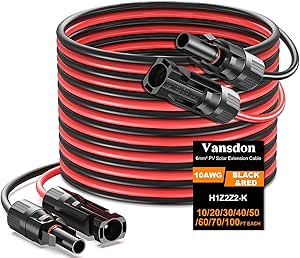
Vansdon 2×50 Feet Solar Panel Extension Cable
When distance is the problem, this is the answer. Two 50-foot cables give you a complete positive and negative run, where the 30FT single cable would force a splice or a second purchase. The 57 A rated current edges out every other cable here, and the 6500V test voltage suggests robust insulation for higher-voltage arrays. Self-locking connectors also hold more securely than the tool-free fittings on the 10FT pick. The real cost is practical: at 1.85 kg, this is a heavy, bulky bundle to manage, and 50 feet of 10 AWG introduces more voltage drop than a shorter, thicker alternative — buyers running high amperage over the full length may want to step up in gauge instead.
Pros:- Two 50 ft cables cover both legs of a long run in one purchase
- 57 A rating is the highest current capacity in this batch
- Self-locking connectors resist vibration and accidental release
- High-conductivity copper minimizes efficiency loss
Cons:- Heavy at 1.85 kg, cumbersome to coil and store
- Voltage drop over 50 ft of 10 AWG can be significant at high amperage
- Overkill cost and bulk for short-distance needs
Best for: Off-grid property owners and ground-mount installers routing panels 30-plus feet from charge controllers or inverters
Not ideal for: Portable and van-life setups where the cable’s weight and bulk become a daily annoyance
- Gauge:10 AWG
- Length:2 × 50 ft
- Rated Current:57 A
- Test Voltage:6500 V
- Connectors:Female-to-Female and Male-to-Female, self-locking
- Temperature Range:-40°C to 90°C
- Weight:1.85 kg
Our verdict“Buy this when distance dictates it — not when a 10- or 30-foot cable would do the same job cheaper.”
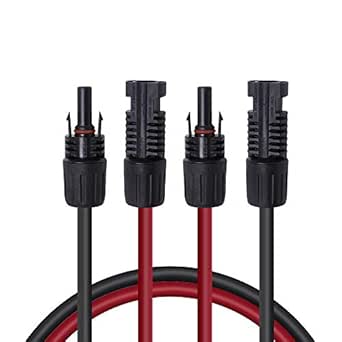
3FT 10AWG Solar Panel Extension Cable with Female and Male Connectors
Not every cable problem needs 30 feet — sometimes a panel sits just out of reach of its controller, and 27 extra feet of coiled wire is wasted money and clutter. That’s the niche this 3-footer fills, and the color-coded black and red pair makes polarity mistakes far less likely than with all-black rivals like the Vansdon 50-foot set. The built-in locking connectors are crimped at the factory, so you avoid the DIY termination quality issues that plague field-assembled cables. Compared with the Renogy 9-inch adapter cables in the wider roundup, it offers more reach while staying tidy. Note the 30 A current ceiling — the lowest here — so it belongs in small systems, not high-output arrays.
Pros:- Color-coded red/black pair prevents polarity wiring errors
- Factory-crimped locking connectors arrive ready to use
- Short length keeps installations tidy with no excess coil
- 1500 V rating suits typical residential panel strings
Cons:- 30 A maximum current limits use to smaller systems
- 3 ft length covers only very short gaps
- PVC/PPO insulation is less robust than the XLPO on longer picks
Best for: Portable power station users and small solar generator owners bridging short gaps between panels and controllers
Not ideal for: High-amperage array owners, since the 30 A rating is half of what the Vansdon set handles
- Length:3 ft
- Gauge:10 AWG
- Maximum Current:30 A
- Maximum Voltage:1500 V
- Insulation:PVC and PPO
- Color:Black and Red
- Weatherproof:Yes, UV resistant
Our verdict“A cheap, clean fix for a short connection problem — pointless if your run exceeds a few feet.”
30FT 10AWG Solar Panel Extension Cable with Waterproof Connectors (Set of 2)
Among the 30-foot options in this roundup, this set stands out for its IP68 protection rating, which goes a step further than the IP67 sealing on the Vansdon 30-foot cables — a real difference if your array sits in standing water risk zones or heavy snowmelt. The 1500V/54A rating also makes it a better match for high-output commercial arrays than the Oududianzi cable, which tops out at 40A. What I appreciate here is the completeness: zip ties and a full male/female pair mean you are not scavenging for accessories mid-install. The tradeoff is that all that durability comes with stiffness and weight, and the single 30-foot length leaves no flexibility for smaller runs.
Pros:- IP68 sealing handles immersion better than typical IP67 competitors
- 54A current rating supports high-output arrays without bottlenecking
- Includes zip ties and a complete connector pair for tidy installation
- Tinned copper with a 25+ year rated lifespan for permanent installs
Cons:- Only available in one 30-foot length with no shorter alternatives
- Waterproof seals depend on careful handling during installation
- Stiff and heavy compared with lighter 12AWG options like the Renogy 20FT set
Best for: RV and off-grid cabin owners running permanent outdoor arrays in extreme weather who need maximum sealing and current headroom
Not ideal for: Balcony solar or small portable setups — 30 feet of heavy 10AWG cable is overkill and awkward to manage
- Cable Length:30FT (set of 2)
- Gauge:10AWG (6mm²)
- Material:Tinned copper, XLPE/XLPO insulation
- Protection Level:IP68
- Temperature Range:-40℉ to 194℉ (-40℃ to 90℃)
- Rated Voltage:1500V
- Rated Current:54A
- Connector Type:Male & female waterproof connectors
Our verdict“This is the pick for permanent outdoor installations where weather exposure and current demands are the deciding factors, not budget or portability.”
Vansdon 2×30 Feet Solar Panel Extension Cable – 10AWG Waterproof Connectors for RV and Photovoltaic Systems
The Vansdon 30-foot set delivers the same core formula as pricier rivals — tin-plated copper, XLPE/XLPO insulation, and a 1500V/54A rating — typically at a friendlier price point, which is why it earns the value slot in the 30-foot category. Compared with the B0CMQW5LRN set above, you give up the IP68 rating for IP67, but for most rooftop and RV installations that distinction rarely matters since connectors live in drip loops, not puddles. The color-coded black and red pair is a small detail that genuinely reduces polarity mistakes compared with single-color sets. If you need 50 feet instead, Vansdon offers that length separately — this set is strictly a 30-footer.
Pros:- Full 54A/1500V spec matches more expensive 30-foot competitors
- Color-coded black and red pair prevents polarity mix-ups
- Self-locking connectors hold securely through vibration and wind
- UV-proof and weather-resistant jacket suited to rooftop exposure
Cons:- IP67 rather than IP68 sealing — slightly less immersion protection
- Locked to a single 30-foot length with no size options in this set
- Assumes familiarity with solar component compatibility
Best for: RV owners and DIY solar builders who want dependable 30-foot runs without paying a premium for IP68-level sealing
Not ideal for: First-time installers with no wiring experience — polarity and connector compatibility still require basic knowledge
- Wire Gauge:10AWG
- Length:30 feet (black + red)
- Material:Tin-plated copper
- Rated Voltage:DC 1500V
- Rated Current:54A
- Waterproof Rating:IP67
- Insulation:XLPE and XLPO
- Temperature Range:-40℃ to 90℃
Our verdict“The smart buy for a standard 30-foot run where near-premium specs matter more than the extra sealing tier.”
Oududianzi Solar Extension Cable 30Ft 10AWG with Waterproof Connectors
What separates the Oududianzi cable is paperwork: TÜV, CE, and RoHS certifications that most budget cables in this roundup cannot claim, which matters for permitted residential installs or anyone who wants third-party verification of build quality. Its IP68 rating matches the B0CMQW5LRN set, but its 40A current ceiling sits noticeably below the 54A shared by the Vansdon and B0CMQW5LRN cables — fine for typical residential string setups, but a constraint if you are pushing high-amperage arrays. Otherwise the fundamentals are solid: tinned copper, a wide temperature range, and true plug-and-play connectors that click home without tools.
Pros:- TÜV, CE, and RoHS certifications provide third-party quality assurance
- IP68 sealing equals the best-rated cables in this lineup
- Corrosion-resistant tinned copper suited to humid coastal environments
- Rated for 25+ years of service life
Cons:- 40A rated current limits headroom versus 54A competitors
- Single 30-foot length does not scale to very large layouts
- Waterproof seals can be compromised by careless mating
Best for: Homeowners and installers who need certified, code-friendly cabling for residential or permitted solar projects
Not ideal for: High-amperage commercial arrays — the 40A limit is lower than competing 30-foot options
- Cable Length:30 ft
- Gauge:10 AWG
- Conductor:Tinned copper
- Waterproof Rating:IP68
- Rated Voltage:DC 1500V
- Rated Current:40A
- Temperature Range:-40℉ to 194℉
- Certifications:TÜV, CE, RoHS
Our verdict“The certified choice when documentation and code compliance matter more than maximum amperage headroom.”
BougeRV 20 Feet 10AWG Solar Extension Cable with Female and Male Connectors
BougeRV is one of the few recognizable brands in a category flooded with anonymous listings, and that brand accountability shows in the details: pure copper conductors rather than copper-clad alternatives, and a thoughtful extra pair of connectors in the box that no other pick here includes — handy for repairs or extending a second run. The shorter 20-foot length makes it easier to route than the 30-foot Oududianzi or Vansdon sets, at the cost of reach. Note the lower ratings, though: 30A max current and 1000V max voltage trail the 54A/1500V specs of the 30-foot cables, so this is a mid-size solution, not a heavy-duty one.
Pros:- Trusted brand with consistent quality control and support
- Includes bonus connector pair for repairs or future extensions
- Pure copper conductors deliver efficient power transfer
- UV-resistant IP67 jacket with built-in connector locks
Cons:- Lower 30A/1000V ratings than competing 10AWG cables
- Heavier and bulkier than equivalent 12AWG 20-foot options
- Solar-only design with no versatility for other devices
Best for: RV and van-life owners with established BougeRV or Renogy-adjacent setups who want brand consistency and spare connectors
Not ideal for: High-wattage arrays — the 30A current ceiling is roughly half what the 30-foot cables here support
- Cable Length:20 feet
- Gauge:10AWG
- Maximum Current:30A
- Maximum Voltage:1000V
- Material:Pure copper
- Waterproof Rating:IP67
- Temperature Range:-40℉ to 194℉
- Weight:2.2 pounds
Our verdict“A dependable mid-length pick for moderate systems where brand trust and included spares outweigh raw amperage specs.”
Energeaster 10AWG 20 Feet Solar Extension Cable with Connectors
For buyers who just need a competent 20-foot connection without paying for brand overhead, the Energeaster covers the fundamentals: tinned copper for corrosion resistance, TÜV and UL certification, and an XLPE jacket rated from -40℉ to 194℉. It undercuts the BougeRV 20-footer on price, and its tinned conductors arguably age better in humid climates than BougeRV’s bare pure copper — though BougeRV counters with better conductivity out of the box and the extra connector pair. The real limitation is scope: this is a solar-only cable with a modest feature set, and there is no included accessory cushion if a connector fails. Think of it as the straightforward workhorse of the short-run group.
Pros:- TÜV and UL certifications are rare at this price point
- Tinned copper resists corrosion in coastal and humid environments
- Locking connectors keep joints secure through vibration
- Handles extreme temperatures from -40℉ to 194℉
Cons:- No spare connectors or accessories included, unlike the BougeRV set
- Strictly limited to solar applications
- Waterproofing depends on careful connector mating and routing
Best for: Budget-conscious DIYers running a single panel or small array who need a certified 20-foot lead without extras
Not ideal for: Anyone wanting spare connectors, brand support, or a cable they can repurpose for non-solar gear
- Wire Gauge:10AWG
- Length:20 feet
- Material:Tinned copper
- Insulation:XLPE
- Waterproof Rating:IP67
- Temperature Range:-40℉ to 194℉
- Certification:TÜV, UL
Our verdict“The most sensible low-cost 20-foot option for small arrays where certified safety matters more than frills.”
Renogy 9 Inch 12 AWG Solar Adaptor Extension Cable, M&F Connectors, Black, 1 Pair
Most extension cables in this roundup sell length, but this Renogy 9-inch adaptor pair solves a different problem: it bridges the awkward gap between a panel’s built-in leads and a longer run. The bare-wire ends make it a natural companion to a charge controller terminal, letting you avoid splicing into a proper cable like the Renogy 20FT 12AWG pair. It meets TUV standards and the sunlight-resistant jacket holds up outdoors. The tradeoff is obvious — at 9 inches, this is a patch cable, not an extension. If your panel sits more than a foot from your controller, you will still need something like the 6-foot 10AWG option to cover the distance, which makes this an add-on purchase rather than a standalone solution. It also only works with 12 AWG systems.
Pros:- TUV-certified for PV solar applications
- UV-resistant and waterproof jacket for permanent outdoor exposure
- Bare-wire ends make direct charge controller connections simple
- A trusted brand name in off-grid components
Cons:- Too short to function as a true extension on its own
- Locked to 12 AWG gauge, so it can’t pair with heavier 10 AWG runs without an adaptor
Best for: Owners of compact RV or van setups who need a short, tidy bridge between panel leads and a charge controller or bus bar
Not ideal for: Anyone trying to span a real distance — 9 inches won’t reach from a roof panel to interior equipment
- Length:9 inches
- Wire Gauge:12 AWG
- Color:Black
- Number of Cables:1 pair
- Connectors:Male & Female on one end, bare wire on other
- Standards:TUV PV solar application
Our verdict“Buy this as a finishing adapter for a tight 12 AWG installation, not as your primary extension cable.”
Solar Cable 6 Feet 10AWG Solar Extension Cable with Female and Male Connectors, Waterproof
This 6-foot 10AWG cable occupies the sweet spot between the 9-inch Renogy patch pair and the longer 20- and 30-foot options — long enough to reach from a panel to a nearby combiner or controller without paying for footage you don’t need. The 10 AWG tinned copper core is the real story here: compared with the 12 AWG Renogy cables, the thicker gauge keeps voltage drop low on higher-amperage arrays, which matters more than most buyers realize on short runs with big panels. Waterproof connectors click together without tools. The limitation is architectural — six feet disappears fast once you route around an RV roof edge or through a gland, so measure twice. Color choice is limited to red and black, and it’s sold as a single cable rather than a pair.
Pros:- 10 AWG tinned copper minimizes voltage drop on high-amperage panels
- Waterproof connectors for reliable outdoor joints
- Thicker gauge than 12 AWG competitors at this price
- Tool-free installation
Cons:- Six feet limits routing flexibility and often forces a second purchase
- Single-cable listing — a complete extension usually needs a pair
Best for: DIYers adding a panel close to their charge controller who want 10 AWG headroom without buying 20+ feet
Not ideal for: Ground-mount or long-wall runs — the 20FT Renogy or 30-foot Energeaster is the better spend there
- Length:6 feet
- Gauge:10 AWG
- Connectors:Female and Male
- Waterproof:Yes
- Material:Tinned copper core
Our verdict“The most sensible pick when you need genuine 10 AWG quality over a short hop.”
Renogy 20FT 12AWG Solar Extension Cables, M&F Connector, Black & Red, 1 Pair
For most residential, cabin, and RV installations, 20 feet per cable is the distance that actually gets covered, and this Renogy pair delivers it with TUV-certified consistency. The color-coded black and red leads make polarity mistakes nearly impossible — a small thing that cheaper single-color listings don’t offer. Rated to 40A and 100V, the 12 AWG conductors handle the output of several parallel 100-watt panels comfortably, though high-amperage arrays will prefer the 10 AWG Energeaster 30-footer for its thicker copper and IP67 rating. The connectors are standard MC4-style, so they mate cleanly with BougeRV and generic 10 AWG cables if you need to mix and match on a small scale. Just be aware that the waterproof seal depends on a fully seated connection; a half-clicked joint will let moisture in over a winter.
Pros:- 20 feet of length suits most panel-to-controller distances
- Color-coded pair eliminates polarity confusion
- TUV-certified, 40A/100V rated for multi-panel systems
- Weatherproof and UV-resistant for permanent outdoor mounting
Cons:- 12 AWG gauge trails 10 AWG competitors on long or high-current runs
- Waterproofing depends on careful connector seating
Best for: Owners of typical 100–400W off-grid systems who need a reliable, color-coded 20-foot run from panel to controller
Not ideal for: High-amperage arrays above ~30A sustained — 12 AWG invites voltage drop that 10 AWG options avoid
- Cable Length:20 feet per cable
- Gauge:12 AWG
- Connectors:M&F
- Maximum Current:40 A
- Maximum Voltage:100 V
- Number of Items:1 pair
- Standards:TUV PV Solar Application
Our verdict“The default choice for standard off-grid systems — the right length, the right safety ratings, and the right price for most buyers.”
Energeaster 10AWG 30 Feet Solar Extension Cable with Connectors
Where the Renogy 20FT pair is built for typical duty, this Energeaster 30-footer is engineered for punishment: an IP67 rating, XLPE insulation, tinned copper, and a rated temperature span from -40°F to 194°F. That combination makes it the pick for coastal installs where salt air corrodes bare copper, desert roofs that hit extreme heat, or cold-climate ground mounts. The dual TÜV and UL certification is stronger credentialing than most rivals in this roundup carry. The locking connectors hold firmly but need to be handled deliberately — forcing them cross-threaded can damage the lock mechanism, and once that fails the waterproofing claim goes with it. It’s also a single cable rather than a matched pair, so budget for two if you’re running both legs of a polarity. Pure solar use only; don’t repurpose it for battery or AC wiring.
Pros:- IP67 waterproofing and -40°F to 194°F tolerance for extreme climates
- Dual TÜV and UL certification
- Tinned copper resists corrosion better than bare copper alternatives
- 30-foot length covers roof-to-basement and ground-mount runs
Cons:- Locking connectors can be damaged by careless mating, compromising the seal
- Sold as a single cable, so a full circuit requires two purchases
Best for: Owners of high-wattage arrays in coastal, desert, or freeze-thaw climates who need 10 AWG over a long distance
Not ideal for: Small 100W hobby setups — the 10 AWG gauge and 30-foot length are overkill and add cost and stiffness
- Wire Gauge:10 AWG
- Length:30 feet
- Color:Black and Red
- Material:Tinned copper
- Insulation:XLPE
- Waterproof Rating:IP67
- Temperature Range:-40°F to 194°F
- Certification:TÜV and UL
Our verdict“The ruggedized long-run choice when environmental abuse matters as much as electrical performance.”
50FT Solar Panel Extension Cable 10AWG+14AWG with Waterproof Connectors
When 20 or 30 feet simply isn’t enough — think a detached garage array, a boat docked far from shore power, or portable panels dragged across a campsite — this 50-foot cable is the longest option in the lineup. Its standout feature is the anti-tangling design, which anyone who has coiled and uncoiled a 50-foot cable twice a day in an RV will immediately appreciate; the Vansdon 2×50 Feet set offers comparable reach but without that handling advantage. The dual 10AWG and 14AWG conductor pairing keeps transmission efficient across the long span, and the IP68 connectors actually exceed the Energeaster’s IP67 rating. The tradeoffs are real: voltage drop over 50 feet is physics, so very high-amperage arrays may still need heavier copper, and complete novices will need at least a basic grasp of solar wiring to deploy it safely.
Pros:- Longest reach in the roundup for distant mounts
- Anti-tangling design saves real time on daily setup and teardown
- IP68 connectors exceed most competitors’ sealing
- Tinned copper and UV-resistant PVC jacket for year-round exposure
Cons:- Inevitable voltage drop over 50 feet limits suitability for high-current systems
- Requires basic wiring knowledge to install correctly
Best for: RV travelers, boaters, and homeowners running panels 40+ feet from their charge controller or inverter
Not ideal for: High-amperage arrays — 50 feet of this gauge introduces voltage drop that a shorter, thicker run avoids
- Length:50 feet
- Wire Gauges:10 AWG and 14 AWG
- Connectors:Male & Female, IP68 waterproof
- Material:Tinned copper, PVC jacket
- Design:Integrated anti-tangle construction
Our verdict“The reach-first pick for mobile and far-flung installs, as long as your current demands stay moderate.”
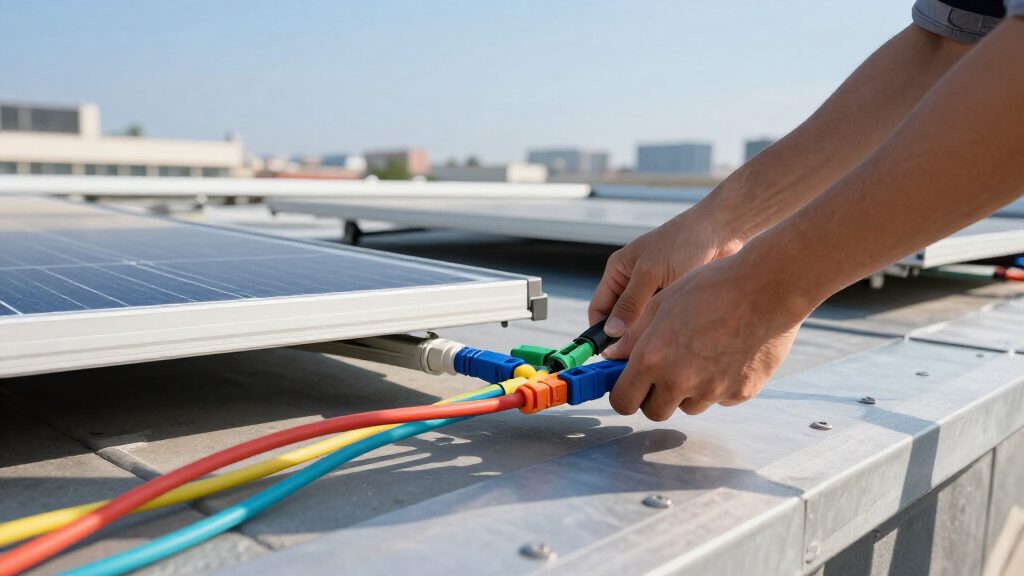
How We Picked
My ranking logic starts with electrical performance: wire gauge, conductor material, and whether the cable can carry current over its advertised length without meaningful voltage drop. A 30-foot 10AWG cable and a 30-foot 14AWG cable are not the same product, and I treated them accordingly. Next I weighed connector quality, since the MC4-style connectors at each end are the most common failure point — water ingress, loose locking tabs, and corroded contacts cause more problems than the wire itself ever will.
From there I evaluated practical value (price per foot, single cable versus paired set), durability factors like UV-resistant insulation and jacket flexibility in cold weather, and fit for purpose — a 9-inch adapter and a 50-foot run serve entirely different installations, so each product was judged against its intended use rather than a single standard. Products that misrepresent their specs or mix gauges within one cable were penalized, because buyers have no way to spot that from a listing photo.
| solar panel extension cable | Temperature Range |
|---|---|
| 10AWG 30FT Solar Panel Extensi | -40°F to 248°F |
| 10FT 10AWG Solar Extension Cab | -40°F to 194°F |
| Solar Cable Extension 10Ft 10A | — |
| Vansdon 2×50 Feet Solar Panel | -40°C to 90°C |
| 3FT 10AWG Solar Panel Extensio | — |
| 30FT 10AWG Solar Panel Extensi | -40℉ to 194℉ (-40℃ to 90℃) |
| Vansdon 2×30 Feet Solar Panel | -40℃ to 90℃ |
| Oududianzi Solar Extension Cab | -40℉ to 194℉ |
| BougeRV 20 Feet 10AWG Solar Ex | -40℉ to 194℉ |
| Energeaster 10AWG 20 Feet Sola | -40℉ to 194℉ |
| Renogy 9 Inch 12 AWG Solar Ada | — |
| Solar Cable 6 Feet 10AWG Solar | — |
| Renogy 20FT 12AWG Solar Extens | — |
| Energeaster 10AWG 30 Feet Sola | -40°F to 194°F |
| 50FT Solar Panel Extension Cab | — |
Factors to Consider When Choosing Solar Panel Extension Cables
Choosing the right extension cable is mostly about matching wire gauge to run length and current, then verifying the connectors will survive your environment. These are the factors that actually change what you should buy.Wire Gauge and Run Length
Gauge and length work together, and this is where most buyers lose power without realizing it. Voltage drop scales with both resistance and distance, so a cable that performs fine at 10 feet can silently shave several percent off your harvest at 40 feet. As a working rule, 10AWG handles most runs up to roughly 50 feet at typical panel currents, while 12AWG is better kept under 20 feet, and 14AWG should be reserved for very short connections. If your total run from panel to charge controller is long, it is almost always cheaper to buy the correct thicker gauge once than to lose production every sunny day for years. Also check whether both legs of the circuit are the same gauge — mixed-gauge runs are limited by the thinnest section.
Single Cable Versus Paired Set
Most listings look identical but contain very different quantities. A single cable with one male and one female connector is only useful if you already have one leg of the circuit, while a paired set gives you both the positive and negative runs you need for a fresh installation. Paired sets almost always win on price per foot, which is why the Vansdon twin packs ranked higher than comparable single cables of the same length. Before ordering, sketch your wiring: panel output, branch connectors, Y adapters, and the entry point into your charge controller. That five-minute exercise prevents the most common ordering mistake in this category — buying one cable when you needed two.
Connector Quality and Weatherproofing
The connectors matter more than the copper in practice, because they are the parts exposed to rain, dust, and vibration. Look for genuine MC4-compatible housings with locking tabs that click firmly into place and rubber seals that compress around the contact when joined. Tool-free connectors are convenient for quick setups but can be less reliable in permanent outdoor installs where thermal cycling loosens them over seasons. If you plan to connect and disconnect regularly — say, a portable panel you move with the sun — prioritize connectors rated for repeated mating cycles. Corrosion at the contact point creates resistance, and resistance creates both lost power and heat.
Insulation and UV Resistance
Solar cables live outdoors for a decade or more, and standard PVC jacketing will crack, chalk, and degrade under constant UV exposure. Quality options use cross-linked polyethylene (XLPE) or PV-rated insulation rated for rooftop temperatures that regularly exceed 150°F in summer. Flexibility matters too, especially for RV and marine buyers: a cable that goes stiff in freezing weather becomes genuinely painful to route through tight passages. Check the temperature rating on the listing, and be skeptical of cheap unbranded cables that omit it entirely. Insulation failure is a slow failure — you will not notice it until water finds the copper.
When to Pay More (and When Not To)
Premium pricing in this category usually buys better connector molding, tinned copper, and consistent manufacturing — worthwhile for permanent rooftop installs you do not want to revisit. But for short runs, experimental setups, and portable kits, the mid-range cables in this lineup do the same job for noticeably less money. The one place I would never economize is a long run at high current, because the cost difference between gauges is small compared to the cumulative production loss. Similarly, avoid paying for length you do not need: coiling 40 extra feet of cable does not just waste money, the added resistance slightly hurts performance even when coiled. Buy the length your installation actually requires, plus a small service loop.
Amperage Rating and Future Expansion
Match the cable to the current your array produces now, plus headroom for what you might add later. A single 100W panel pushes under 6 amps and forgives almost any cable in this roundup; parallel-wired arrays can push 30 amps or more, where undersized cable becomes a genuine safety issue, not just an efficiency one. 10AWG typically handles 30–40 amps in solar duty, while 14AWG tops out around 15 amps in practice. If you anticipate doubling your panels, spending a little more on thicker gauge today avoids rewiring tomorrow. Also verify the connector contacts themselves are rated for your current — the copper can be adequate while a thin stamped contact limits the connection.
Frequently Asked Questions
How long can a solar panel extension cable be before I lose too much power?
As a practical guideline, keep total voltage drop under 3% for a 12V system, which usually means 10AWG cable up to about 50 feet round-trip at typical panel currents. Beyond that, the losses compound quickly — a run that seems fine at 20 feet can lose 5–8% of your harvest at 60 feet with thinner wire. Remember to count both legs of the circuit: a 25-foot extension is actually a 50-foot round trip electrically. If you need serious distance, thicker gauge or a higher system voltage (24V or 48V) reduces the impact. The 50-foot 10AWG options in this roundup work well for far-flung array placements, but anything longer deserves a voltage drop calculation before you buy.
Can I connect two extension cables together to reach farther?
Yes, MC4-style connectors are designed to daisy-chain, but each additional connection point adds resistance and creates another spot for water ingress and corrosion. For runs beyond 30 feet, a single continuous cable is the better choice — that is part of why the 50-foot Vansdon kit ranked above chaining two 30-foot cables. If you must join cables, use proper MC4 connectors rather than twisting wires and taping them, and keep the junction somewhere accessible for inspection. Chained connections also fail more often in vibration-heavy applications like RVs and boats. As a rule, one splice is acceptable; multiple splices on a long run suggest you bought the wrong length.
Do I need one cable or two for my solar setup?
A solar panel outputs on two wires — positive and negative — so a fresh installation generally needs a matched pair running from panel to charge controller. Some listings sell a single cable with one male and one female end, while others ship as a two-cable set, and confusing the two is the most common ordering error in this category. If you are only extending one side of an existing circuit, a single cable saves money. If you are wiring a new panel, a paired set like the Vansdon or BougeRV options is usually cheaper per foot than buying two singles. Check the listing quantity carefully — the product photos often look identical either way.
Are 12AWG cables good enough, or should I always buy 10AWG?
For short runs under about 20 feet at typical panel currents, 12AWG is perfectly adequate and saves money and stiffness — the Renogy 20FT 12AWG pair is a sensible choice for compact RV or cabin installs. The math changes with distance and current: 12AWG has roughly 60% more resistance than 10AWG, so longer runs lose noticeably more power. If you are running high-wattage panels or parallel strings, step up to 10AWG regardless of length. There is also a mechanical argument for 10AWG in exposed installs, since the thicker jacket and conductor tolerate pulling and flexing better. For anything over 20 feet, the small price premium for 10AWG almost always pays for itself.
Are the tool-free connectors as reliable as crimped MC4s?
Tool-free connectors trade a bit of long-term reliability for convenience, and that tradeoff depends on your application. For portable setups where you connect and disconnect weekly, a quality tool-free design is genuinely useful and holds up fine if the locking mechanism is solid. For permanent rooftop installations exposed to years of thermal cycling, professionally crimped MC4s remain the standard because the cold-welded contact resists corrosion better. The failure mode to watch for in tool-free designs is gradual loosening of the contact clamp, which shows up as heat discoloration at the connector. Whichever style you choose, inspect the connections annually — a five-second tug test catches most developing problems.
Conclusion
For most buyers, the BougeRV 20 Feet 10AWG cable is the best overall choice — the gauge, connector quality, and length cover the majority of RV and home installations without overpaying for reach you do not need. If raw value is the priority, the Renogy 20FT 12AWG pair delivers dependable brand-name performance for smaller arrays at a lower price. Buyers with large or sprawling setups get the best premium option in the Vansdon 2×50 Feet kit, which handles long runs with voltage drop kept in check. For beginners setting up a first portable panel, the 10FT 10AWG cable with Y adapter kit bundles everything needed in one purchase, removing the guesswork from compatibility. And for specific needs, the Renogy 9-inch adapter pair solves tight connection and routing problems where a full extension would be absurd. Match the cable to your actual run length and current, buy paired sets when wiring both legs, and never let a 14AWG segment sneak into a high-current circuit — do that, and whichever option you pick will serve you for the life of the system.
Halloween Picks
halloween
As an affiliate, we earn on qualifying purchases.