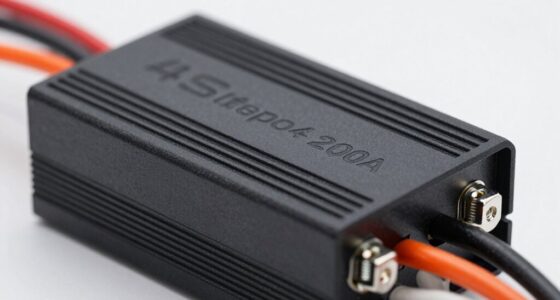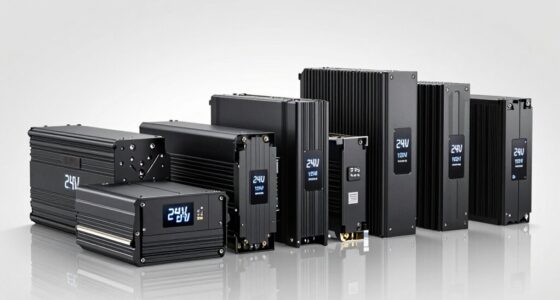
The Emporia Pro Level 2 EV Charger is my best overall pick for home charging because it combines 48-amp output with PowerSmart features, while the ChargePoint HomeFlex stands out for buyers who want an established connected-charger option. For more flexibility, the EVDANCE portable charger handles both Level 1 and Level 2 charging, though at lower amperage than the hardwired picks. The biggest tradeoffs are charging speed versus installation demands, plug-in convenience versus a permanent hardwired setup, and choosing the connector that fits your vehicle. This roundup compares all 15 options by those practical differences, so keep reading for the picks and guidance that can help you match a charger to your home and car.

Get backup power and energy gear delivered free with Prime
- Fast, free delivery on millions of items
- Prime Video, Amazon Music and more included
- Member-only deals all year
Key Takeaways
- 48-amp hardwired models, including the Emporia Pro, DEWALT, AIMILER, and Lectron, target buyers whose electrical service and installation plan can support higher charging output.
- 40-amp plug-in chargers offer a less permanent setup, but the outlet, circuit, and charger must be matched correctly; a NEMA 14-50 plug does not mean any existing outlet is suitable.
- The roundup includes both J1772 and NACS models, so connector choice can narrow the field before app features or charging speed matter.
- Portable Level 1/Level 2 units such as EVDANCE and Raylix trade charging speed for flexibility across outlets and locations.
- Smart features vary by model: Wi-Fi, Bluetooth, and PowerSmart functions can help with scheduling or energy management, but they do not replace checking electrical capacity and installation requirements.
| DEWALT Level 2 Hardwired EV Charger, 48A, 240V, Wi-Fi and Bluetooth, 25 ft Cable |  | Best Overall for Hardwired Charging | Connector: SAE J1772 | Maximum output: 11.5 kW | Adjustable current: 12–48 A | VIEW LATEST PRICE | See Our Full Breakdown |
| Emporia Pro Level 2 EV Charger with PowerSmart, 48 A, J1772 Connector and 25 ft Cable |  | Best for Home Energy Management | Connector: SAE J1772 | Maximum current: 48 A | Input and output voltage: 240 V AC | VIEW LATEST PRICE | See Our Full Breakdown |
| EVDANCE Portable Level 1 and Level 2 EV Charger, 25 ft Cable, J1772, 12A/120V and 16A/240V |  | Best Portable Charger | Connector: J1772 | Charging levels: Level 1 and Level 2 | Current: 12A at 120V; 16A at 240V | VIEW LATEST PRICE | See Our Full Breakdown |
| IYILO Level 2 EV Charger, 48A, 11.5 kW, NACS Connector |  | Best for NACS Vehicles | Connector: NACS (J3400) | Maximum charging power: 11.5 kW | Maximum and adjustable current: Up to 48A; adjustable from 6–48A in 1A increments | VIEW LATEST PRICE | See Our Full Breakdown |
| Grasside Level 2 EV Charger, 40A, 9.6 kW, J1772, NEMA 14-50 Plug, 25 ft Cable |  | Best Plug-In Value | Connector: J1772 | Maximum current and power: 40A; 9.6 kW | Plug type: NEMA 14-50 | VIEW LATEST PRICE | See Our Full Breakdown |
| IYILO Level 2 EV Charger, 40A, 9.6 kW, 240V with NEMA 14-50 Plug and 2.4 GHz Wi-Fi |  | Best for Smart Charging Controls | Maximum output: 40A; 9.6 kW at 240V | Plug: NEMA 14-50P | Connector: SAE J1772 | VIEW LATEST PRICE | See Our Full Breakdown |
| ChargePoint HomeFlex Level 2 EV Charger with J1772 Connector and NEMA 14-50 Plug |  | Best for a Long, Cold-Weather Cable | Output voltage: 240V | Plug: NEMA 14-50 | Connector: J1772 | VIEW LATEST PRICE | See Our Full Breakdown |
| ChargePoint HomeFlex Level 2 Hardwired EV Charger with NACS Connector |  | Best for Tesla Owners | Connector: NACS | Compatible vehicles: Tesla vehicles | Voltage: 240V | VIEW LATEST PRICE | See Our Full Breakdown |
| Evwallbox Level 2 EV Charger, 40 Amp, 9.6 kW, 240V, J1772, 25 ft Cable |  | Best for On-Unit Charging Information | Maximum output: 40A; 9.6 kW at 240V | Connector: SAE J1772 | Plug: NEMA 14-50 | VIEW LATEST PRICE | See Our Full Breakdown |
| 40A Level 2 EV Charger with J1772 Connector and Tesla Compatibility |  | Best for Mixed Tesla and J1772 Households | Maximum output: 40A; up to 9.6 kW at 240V | Current adjustment: 10A–40A in 1A increments | Connector: J1772 | VIEW LATEST PRICE | See Our Full Breakdown |
| Raylix Portable Level 1 and Level 2 J1772 EV Charger with 25 ft Cable |  | Best for Flexible Outlet Access | Connector: SAE J1772 | Charging levels: Level 1 and Level 2 | Adjustable current: 8A, 10A, 12A, or 16A | VIEW LATEST PRICE | See Our Full Breakdown |
| AIMILER 48A Level 2 Hardwired EV Charger with 25 ft Cable |  | Best for Adjustable High-Output Charging | Charging level: Level 2 | Maximum output: 48A; 11.5 kW | Adjustable current: 24A–48A | VIEW LATEST PRICE | See Our Full Breakdown |
| Lectron Level 2 J1772 Nexus EV Home Charger, 48A Hardwired |  | Best for Outdoor Hardwired Installation | Charging level and voltage: Level 2; 240V | Maximum output: 48A; 11.5 kW | Connector: J1772 | VIEW LATEST PRICE | See Our Full Breakdown |
| Leviton Smart Level 2 EV Charger, 40A, Wi-Fi, NEMA 14-50 Plug, White |  | Best for Plug-In Smart Charging | Model: EV40P | Charging level and voltage: Level 2; 240V | Maximum output: 40A; up to 9.6 kW | VIEW LATEST PRICE | See Our Full Breakdown |
| Emporia Level 2 48A WiFi EV Charger with J1772 Connector, 25 ft Cable, Hardwired with Whip |  | Best for High-Output Wi-Fi Charging | Model: EMEVSE1 | Charging level and voltage: Level 2; 240V | Maximum output: 48A; up to 46 miles of range per hour | VIEW LATEST PRICE | See Our Full Breakdown |
| home EV charger | Connector | Cable length | Maximum output | Installation |
|---|---|---|---|---|
| DEWALT Level 2 Hardwired EV Ch | SAE J1772 | 25 ft | 11.5 kW | Hardwired, wall-mounted |
| Emporia Pro Level 2 EV Charger | SAE J1772 | 25 ft | — | NEMA 14-50 plug or hardwired |
| EVDANCE Portable Level 1 and L | J1772 | 25 ft | — | — |
| IYILO Level 2 EV Charger | NACS (J3400) | 25 ft | — | Hardwired; 60A breaker and licensed electrician required |
| Grasside Level 2 EV Charger | J1772 | 25 ft | — | — |
| IYILO Level 2 EV Charger | SAE J1772 | 25 ft | 40A; 9.6 kW at 240V | — |
| ChargePoint HomeFlex Level 2 E | J1772 | 23 ft | — | Indoor or outdoor; electrician installation |
| ChargePoint HomeFlex Level 2 H | NACS | — | — | Hardwired; indoor or outdoor installation by an electrician |
| Evwallbox Level 2 EV Charger | SAE J1772 | 25 ft | 40A; 9.6 kW at 240V | — |
| 40A Level 2 EV Charger with J1 | J1772 | 25 ft | 40A; up to 9.6 kW at 240V | — |
| Raylix Portable Level 1 and Le | SAE J1772 | 25 ft | — | — |
| AIMILER 48A Level 2 Hardwired | J1772 | 25 ft | 48A; 11.5 kW | Hardwired; no plug |
| Lectron Level 2 J1772 Nexus EV | J1772 | — | 48A; 11.5 kW | Hardwired; professional installation required |
| Leviton Smart Level 2 EV Charg | SAE J1772 | 25 ft | 40A; up to 9.6 kW | — |
| Emporia Level 2 48A WiFi EV Ch | SAE J1772 | 25 ft | 48A; up to 46 miles of range per hour | Hardwired with whip |
More Details on Our Top Picks
DEWALT Level 2 Hardwired EV Charger, 48A, 240V, Wi-Fi and Bluetooth, 25 ft Cable
High output, broad vehicle compatibility, and two connection options make the DEWALT a strong choice for a permanent home setup. It delivers up to 48A and 11.5 kW, while adjustable current lets an installer match charging to the home circuit. Its 25-foot J1772 cable gives more parking flexibility than a short reach, and Wi-Fi plus Bluetooth support schedules and energy tracking. Compared with the Emporia Pro, DEWALT offers Bluetooth as well as Wi-Fi, while Emporia adds a Vue 3 whole-home monitor and load management. The tradeoff is installation: this DEWALT is hardwired only, so it is less convenient to move or replace than the plug-in Grasside 40A. The outdoor-rated enclosure and layered electrical protections suit exposed locations, but Tesla drivers need a separate adapter.
Pros:- Up to 48A and 11.5 kW, with adjustable current for circuit matching.
- 25-foot J1772 cable provides flexibility for different parking positions.
- Wi-Fi and Bluetooth support app controls, schedules, and energy tracking.
- CSA-certified NEMA 4X enclosure is rated IP66 for indoor or outdoor use.
Cons:- Hardwired installation limits portability and requires electrical work.
- Tesla vehicles need a separately sold adapter.
Best for: Homeowners planning a permanent hardwired installation who want up to 48A, a long cable, and app control for a J1772 vehicle.
Not ideal for: Renters or homeowners who need a plug-in charger, and Tesla owners who want to charge without buying an adapter.
- Connector:SAE J1772
- Maximum output:11.5 kW
- Adjustable current:12–48 A
- Input voltage:240 V
- Cable length:25 ft
- Connectivity:Wi-Fi and Bluetooth
- Installation:Hardwired, wall-mounted
- Warranty:3-year limited warranty
Our verdict“Choose the DEWALT for a durable, feature-rich hardwired J1772 setup; pick a plug-in model if installation flexibility matters more.”
Emporia Pro Level 2 EV Charger with PowerSmart, 48 A, J1772 Connector and 25 ft Cable
The Emporia Pro is the clearest pick here for households that need to manage charging around other electrical loads. Its PowerSmart load management adjusts charging to available home capacity, which can help a 48A charger fit a constrained panel without asking the car to charge at full draw all the time. The included Vue 3 monitor adds whole-home energy insight, while the app covers scheduling, usage tracking, and solar management. Compared with the DEWALT, Emporia offers more explicit energy and load-management tools, but the DEWALT includes Bluetooth and has a stated IP66-rated enclosure. Emporia’s choice of NEMA 14-50 plug or hardwiring also gives it more installation flexibility than either hardwired-only model. That flexibility still depends on having a suitable outlet or arranging hardwiring, and Tesla drivers need an adapter.
Pros:- PowerSmart adjusts charging to available home electrical capacity.
- Vue 3 monitor provides whole-home energy insights.
- App supports schedules, real-time usage tracking, and solar management.
- Can be installed with a NEMA 14-50 plug or hardwired.
Cons:- Requires a compatible NEMA 14-50 outlet or hardwired electrical installation.
- Tesla vehicles need a separate adapter.
- The energy-management feature set may be more involved than a basic charger requires.
Best for: Homeowners with a busy electrical panel, solar equipment, or a desire to track whole-home energy alongside EV charging.
Not ideal for: Buyers seeking a simple charger without energy-monitoring features, or Tesla owners who expect an adapter in the box.
- Connector:SAE J1772
- Maximum current:48 A
- Input and output voltage:240 V AC
- Cable length:25 ft
- Installation:NEMA 14-50 plug or hardwired
- Included monitor:Emporia Vue 3 Energy Monitor
- App features:Scheduling, real-time energy tracking, and solar management
- Certification:UL
Our verdict“Choose the Emporia Pro if load management and whole-home energy visibility matter more than a simpler charger setup.”
EVDANCE Portable Level 1 and Level 2 EV Charger, 25 ft Cable, J1772, 12A/120V and 16A/240V
Unlike the fixed 48A DEWALT and Emporia Pro, the EVDANCE is built around portability and outlet flexibility, not fast home charging. It can use compatible 120V outlets at 12A or a 240V NEMA 6-20 outlet at 16A, making it useful as a travel charger or a modest upgrade from basic Level 1 charging. The 25-foot cable, carrying bag, and display for status and errors make it easier to carry and monitor than a wall-mounted unit. Its lower 16A ceiling means it will charge more slowly than the Grasside 40A or the 48A hardwired options, so it is a poor match for drivers who need a rapid overnight refill after long commutes. Check vehicle and outlet compatibility before buying; some vehicles and outlet types require additional adapters.
Pros:- Supports charging from compatible 120V and 240V outlets.
- Portable 7-pound design includes a carrying bag.
- 25-foot cable gives reach across varied parking setups.
- Display shows charging status and error information.
Cons:- Maximum 16A at 240V is much slower than the 40A and 48A chargers in this roundup.
- Some vehicles and outlet types require separately sold adapters or may not be compatible.
- One-year warranty is shorter than the three-year coverage listed for several hardwired options.
Best for: Drivers who need a portable J1772 charger for travel, occasional charging, or homes with compatible 120V and NEMA 6-20 outlets.
Not ideal for: High-mileage drivers who need faster overnight charging, or buyers whose vehicle or available outlet is not listed as compatible.
- Connector:J1772
- Charging levels:Level 1 and Level 2
- Current:12A at 120V; 16A at 240V
- Compatible outlets:NEMA 5-15/5-20 and NEMA 6-20
- Cable length:25 ft
- Weight:7 lb
- Housing protection:IP66
- Warranty:1 year
Our verdict“Choose the EVDANCE for portable, lower-output charging across compatible outlets, not as a fast daily home charger.”
IYILO Level 2 EV Charger, 48A, 11.5 kW, NACS Connector
For drivers whose vehicles use NACS, this IYILO pairs a native NACS connector with 48A output and a long 25-foot cable, avoiding the J1772 adapter needed with the DEWALT and Emporia Pro. Its current range adjusts from 6A to 48A in 1A increments, giving installers more precise control over charging draw. App scheduling, energy tracking, RFID access, power sharing, and over-the-air updates add useful controls, while connector temperature protection can reduce or stop charging if heat rises too far. The tradeoff is a stricter installation: it requires hardwiring, a 60A breaker, and a licensed electrician. It also supports only 2.4 GHz Wi-Fi. J1772 owners can use an adapter, but it is not included, so this is a less direct fit than a J1772 charger for those vehicles.
Pros:- Native NACS connector suits compatible EVs without a J1772-to-NACS adapter.
- Adjustable 6–48A current and up to 11.5 kW output.
- Connector temperature protection can reduce power or stop charging.
- Supports scheduling, RFID access, energy tracking, power sharing, and OTA updates.
Cons:- Requires hardwiring, a 60A breaker, and a licensed electrician.
- Wi-Fi connectivity is limited to 2.4 GHz.
- J1772 vehicles require an adapter that is not included.
Best for: Owners of NACS-equipped EVs who want a high-output hardwired charger with RFID access and power-sharing capability.
Not ideal for: J1772 vehicle owners who want an included adapter, or buyers who need a plug-in installation or 5 GHz Wi-Fi support.
- Connector:NACS (J3400)
- Maximum charging power:11.5 kW
- Maximum and adjustable current:Up to 48A; adjustable from 6–48A in 1A increments
- Cable length:25 ft
- Installation:Hardwired; 60A breaker and licensed electrician required
- Wi-Fi:2.4 GHz only
- Smart features:Scheduling, RFID, energy tracking, power sharing, app control, and OTA updates
- Certifications:ETL, Energy Star, CSA; UL 2594 test report
- Warranty:3 years
Our verdict“Choose this IYILO if your vehicle has a NACS port and you want a feature-rich hardwired charger without relying on an adapter.”
Grasside Level 2 EV Charger, 40A, 9.6 kW, J1772, NEMA 14-50 Plug, 25 ft Cable
The Grasside offers a practical middle ground for drivers who want more output than the portable EVDANCE but do not need the 48A capacity of the DEWALT or Emporia Pro. Its 40A, 9.6 kW output is paired with a NEMA 14-50 plug, so installation can be simpler when a compatible outlet and 50A circuit are already in place. A 25-foot cable helps with awkward parking, while plug-and-charge, RFID, and app controls give households a choice between quick access and user authentication. The metal case, IP65 rating, built-in GFCI, and listed safety certifications suit indoor or outdoor use. Its main compromise is the outlet requirement: it is not a solution for homes without a suitable circuit, and unlike the hardwired IYILO NACS model, it serves J1772 vehicles by default. Tesla drivers need an adapter.
Pros:- 40A and 9.6 kW output exceeds the portable EVDANCE’s 16A Level 2 capacity.
- NEMA 14-50 plug avoids hardwiring when a suitable outlet is already available.
- 25-foot cable and IP65 rating support varied indoor and outdoor parking locations.
- Offers plug-and-charge, RFID, app controls, and built-in GFCI protection.
Cons:- Requires a compatible NEMA 14-50 outlet on a 50A circuit.
- Tesla vehicles need a separate J1772 adapter.
- App Wi-Fi control supports 2.4 GHz only.
Best for: J1772 drivers with an existing NEMA 14-50 outlet on a 50A circuit who want app controls and a long cable without hardwiring.
Not ideal for: Homeowners without a compatible 50A outlet, or drivers who need a native NACS connector or more than 40A output.
- Connector:J1772
- Maximum current and power:40A; 9.6 kW
- Plug type:NEMA 14-50
- Required circuit:50A
- Cable length:25 ft
- Current adjustment:10–40A via app; 16/24/32/40A via screen buttons
- Connectivity:2.4 GHz Wi-Fi
- Safety:ETL listed to UL 2594 and CSA-C22.2 No. 280; built-in GFCI
- Warranty:3 years
Our verdict“Choose the Grasside for a plug-in 40A J1772 setup if your home already has the required NEMA 14-50 circuit.”
IYILO Level 2 EV Charger, 40A, 9.6 kW, 240V with NEMA 14-50 Plug and 2.4 GHz Wi-Fi
The IYILO earns this spot for combining adjustable 6A–40A output with unusually broad app controls: scheduling, energy tracking, RFID access, and remote updates. Compared with the Evwallbox 40A charger, it adds connector temperature monitoring that stops charging if the connector exceeds 221°F, plus power sharing for two chargers on one circuit. Those features suit households that want more control than a straightforward plug-in unit offers. Its 25-foot cable and NEMA 4 rating also give it flexibility for indoor or outdoor placement. The tradeoffs are a 2.4 GHz-only Wi-Fi connection and a J1772 connector, so Tesla drivers need a separate NACS adapter. At 40A, hardwired installation calls for a 50A breaker and a licensed electrician.
Pros:- Current adjusts from 6A to 40A in 1A increments.
- Connector sensor stops charging if temperature exceeds 221°F.
- App includes scheduling, energy tracking, RFID, and remote updates.
- Power sharing can help two chargers operate on one circuit.
Cons:- Wi-Fi is limited to 2.4 GHz.
- Tesla vehicles need a separate NACS adapter.
- 40A hardwired operation requires a 50A breaker and licensed electrician.
Best for: J1772 households that want scheduled charging, energy tracking, RFID access, and the option to share circuit capacity between two chargers.
Not ideal for: Tesla owners who want a native NACS connector, or buyers whose home Wi-Fi network does not support 2.4 GHz.
- Maximum output:40A; 9.6 kW at 240V
- Plug:NEMA 14-50P
- Connector:SAE J1772
- Cable length:25 ft
- Current adjustment:6A–40A in 1A increments
- Connectivity:2.4 GHz Wi-Fi
- Warranty:3 years
Our verdict“Choose the IYILO if detailed app controls and connector-temperature protection matter more to you than native Tesla compatibility.”
ChargePoint HomeFlex Level 2 EV Charger with J1772 Connector and NEMA 14-50 Plug
The plug-in ChargePoint HomeFlex is a strong fit for drivers who want a recognizable app-supported charger and a cable described as cold-resistant. Its 23-foot reach is shorter than the 25-foot cables on the IYILO and Evwallbox, but the cold-weather design can matter more when a cable must flex outdoors through winter. ChargePoint lists charging speeds of up to 45 miles per hour, though the vehicle affects the actual rate. The J1772 connector serves many non-Tesla EVs and plug-in hybrids; Tesla drivers need an adapter. Compared with the hardwired ChargePoint HomeFlex with NACS, this model is easier to pair with a NEMA 14-50 outlet, but it gives up a native Tesla connector. It still requires a suitable 240V circuit and electrician installation.
Pros:- Cold-resistant 23-foot cable is suited to outdoor charging.
- App provides charging controls and information.
- UL-certified for indoor or outdoor installation.
- NEMA 14-50 plug avoids hardwiring the charger.
Cons:- Tesla vehicles require a separate adapter.
- Requires a 240V NEMA 14-50 outlet and a 40A or 50A circuit.
- Electrician installation is required.
Best for: Drivers with a NEMA 14-50 outlet who want app controls and a cable suited to outdoor use in cold weather.
Not ideal for: Tesla owners seeking a native NACS connection, or households without a suitable 240V outlet and electrician installation plan.
- Output voltage:240V
- Plug:NEMA 14-50
- Connector:J1772
- Charging speed:Up to 45 miles per hour, vehicle dependent
- Cable length:23 ft
- Installation:Indoor or outdoor; electrician installation
- Certification:UL
- Warranty:3-year parts warranty
Our verdict“Pick this HomeFlex if you want a plug-in ChargePoint setup and a cold-resistant cable, and your vehicle uses J1772 or has a Tesla adapter.”
ChargePoint HomeFlex Level 2 Hardwired EV Charger with NACS Connector
This hardwired HomeFlex makes the most sense for Tesla drivers who want a native NACS connector rather than an adapter-dependent J1772 charger. ChargePoint lists speeds of up to 45 miles per hour, depending on the vehicle, and its app offers charging controls, reminders, and charging information. Compared with the plug-in ChargePoint HomeFlex in this roundup, this version is purpose-built for Tesla compatibility but requires an electrician to hardwire it, so it is not the flexible choice for renters or homes relying on a NEMA 14-50 outlet. It supports indoor or outdoor installation and has a cold-resistant cable, though the provided specs do not state its cable length. The stated circuit requirement spans 20A or 80A, so buyers should confirm the intended electrical setup with an electrician before installation.
Pros:- Native NACS connector is compatible with Tesla vehicles.
- App provides charging controls, reminders, and charging information.
- Supports indoor or outdoor installation.
- Cold-resistant cable is suited to outdoor charging.
Cons:- Hardwired installation requires an electrician.
- The listed circuit requirement spans 20A or 80A and warrants installer confirmation.
- NACS connector is a poor fit for households that need J1772 without an adapter.
Best for: Tesla owners planning a permanent indoor or outdoor installation who prefer a native NACS connector and ChargePoint app controls.
Not ideal for: Renters, buyers who need a plug-in charger, or non-Tesla households that want a J1772 connector without an adapter.
- Connector:NACS
- Compatible vehicles:Tesla vehicles
- Voltage:240V
- Current:50A
- Charging speed:Up to 45 miles per hour, vehicle dependent
- Installation:Hardwired; indoor or outdoor installation by an electrician
- Dimensions:7.06 × 11.19 × 5.2 in
- Certification:UL
- Warranty:3 years
Our verdict“Choose this HomeFlex for a permanent Tesla-focused installation; choose the plug-in ChargePoint model if you need a NEMA 14-50 connection or J1772.”
Evwallbox Level 2 EV Charger, 40 Amp, 9.6 kW, 240V, J1772, 25 ft Cable
The Evwallbox stands apart from the IYILO through its 4.3-inch display, which puts charging information on the unit instead of making the app the only place to check. It also pairs adjustable 40A output with scheduling, Wi-Fi app control, and RFID activation, giving it a useful mix of at-a-glance and remote management. The 25-foot cable offers more reach than the 23-foot ChargePoint HomeFlex plug-in model, while the IP65 enclosure is specified for indoor or outdoor use. This is a J1772 charger with a NEMA 14-50 plug, so it suits many EVs but may need an adapter for other charge-port types. Compared with the IYILO, it lacks listed connector overheat protection and power sharing. Buyers should also be ready to handle mounting and electrical setup.
Pros:- 4.3-inch display shows charging information on the unit.
- Adjustable current and scheduled charging are available through the app.
- 25-foot cable provides flexible reach.
- IP65 enclosure and RFID activation support varied home setups.
Cons:- J1772 may require an adapter for vehicles with a different charge port.
- Mounting and electrical setup are required.
- Unlike the IYILO, listed features do not include connector overheat protection or power sharing.
Best for: J1772 drivers who want charging information visible on the charger, plus app scheduling and RFID access.
Not ideal for: Tesla owners seeking a native NACS connector, or buyers who want electrician-managed installation rather than handling mounting and electrical setup.
- Maximum output:40A; 9.6 kW at 240V
- Connector:SAE J1772
- Plug:NEMA 14-50
- Cable length:25 ft
- Display:4.3-inch
- Connectivity:Wi-Fi and smartphone app
- Certifications:ETL, Energy Star, FCC, CE
Our verdict“Choose the Evwallbox if a built-in display and a long cable matter more than the IYILO’s listed power-sharing and connector-temperature safeguards.”
40A Level 2 EV Charger with J1772 Connector and Tesla Compatibility
This charger is the most broadly described plug-in option here for a household with both Tesla and J1772 vehicles: it supports J1772 charging and Tesla compatibility, while the IYILO and Evwallbox listings call for an adapter for Tesla. Its current adjusts from 10A to 40A, and the app offers scheduling, monitoring, remote start and stop, and RFID functions. A 25-foot cable and IP65-rated enclosure also make placement more flexible indoors or outdoors. The listing does not explain whether Tesla compatibility relies on an included adapter, so buyers should verify the connection method before purchase. Its 2.4 GHz Wi-Fi limitation is shared with the IYILO, and it requires a NEMA 14-50 outlet; the hardwired ChargePoint NACS model is the cleaner fit for Tesla-only homes seeking a permanent installation.
Pros:- Supports J1772 vehicles and lists Tesla compatibility.
- Current adjusts from 10A to 40A in 1A increments.
- App supports scheduling, monitoring, and remote start and stop.
- 25-foot cable and IP65-rated enclosure suit flexible indoor or outdoor placement.
Cons:- Requires a NEMA 14-50 outlet.
- Wi-Fi is limited to 2.4 GHz, though Bluetooth is also available.
- The listing does not specify how Tesla compatibility is provided.
Best for: Households with both Tesla and J1772 vehicles that want one adjustable, app-controlled charger connected to a NEMA 14-50 outlet.
Not ideal for: Buyers who need hardwired installation, or Tesla owners who require a confirmed native NACS connection rather than unspecified Tesla compatibility.
- Maximum output:40A; up to 9.6 kW at 240V
- Current adjustment:10A–40A in 1A increments
- Connector:J1772
- Tesla compatibility:Listed as compatible
- Plug:NEMA 14-50P
- Cable length:25 ft
- Connectivity:2.4 GHz Wi-Fi and Bluetooth
- Warranty:3 years
Our verdict“Consider this model for a mixed Tesla and J1772 household after confirming the Tesla connection method, especially if a NEMA 14-50 outlet is already available.”
Raylix Portable Level 1 and Level 2 J1772 EV Charger with 25 ft Cable
The Raylix is the flexible pick for drivers who need one charger that can work from either a standard household outlet or a compatible 240V outlet. Its included NEMA 5-15 and 6-20 plugs make that adaptability practical, while four current settings let you match charging to the circuit. The tradeoff is speed: at 240V it delivers up to 3.68 kW, well below the 48A AIMILER and Emporia hardwired chargers. A standard outlet is slower still, adding a stated 3–5 miles of range per hour. The color display and delay timer provide useful local controls without relying on an app, but this is not a high-output permanent setup. I’d choose it for portability and outlet flexibility, not for the fastest daily charging.
Pros:- Includes NEMA 5-15 and NEMA 6-20 plugs for Level 1 and Level 2 use
- Four current settings from 8A to 16A help match available circuit capacity
- Color display shows voltage, current, power, and temperature
- 25-foot cable and 1–12-hour delay timer add placement and scheduling flexibility
Cons:- Level 2 output is limited to 16A and 3.68 kW, far below the AIMILER and Emporia 48A chargers
- Level 1 charging is limited to 12A and is slow for drivers with substantial daily mileage
- Level 2 operation requires a compatible NEMA 6-20 outlet
Best for: Drivers with access to both a standard 120V outlet and a NEMA 6-20 outlet who want one portable J1772 charger for home or occasional travel.
Not ideal for: Drivers seeking fast overnight charging or a permanent high-output installation; its Level 2 output tops out at 16A and 3.68 kW.
- Connector:SAE J1772
- Charging levels:Level 1 and Level 2
- Adjustable current:8A, 10A, 12A, or 16A
- Level 1 input and output:NEMA 5-15, 120V, up to 12A; 1.44 kW
- Level 2 input and output:NEMA 6-20, 240V, 16A; 3.68 kW
- Cable length:25 ft
- Display and timer:TFT color display; 1–12-hour delay timer
- Protection and warranty:Overheating, overvoltage, and overcurrent protection; 2 years
Our verdict“Choose the Raylix if you value a portable charger with two outlet options more than the faster charging available from a hardwired 48A model.”
AIMILER 48A Level 2 Hardwired EV Charger with 25 ft Cable
The AIMILER suits households that want high charging output but also need to dial it back to match their electrical setup. It adjusts from 24A to 48A and reaches 11.5 kW, while the touchscreen and Wi-Fi app add on-unit information plus remote scheduling and monitoring. Compared with the plug-in Leviton, this charger can deliver more power, but it gives up the convenience of a NEMA 14-50 connection: installation is hardwired, and 48A operation calls for a 60A-or-higher breaker. Its J1772 connector also means NACS vehicles need an adapter. I’d rank it for buyers with suitable electrical capacity who want adjustable output and connected controls, rather than for renters or anyone hoping to install a charger without an electrician.
Pros:- Adjustable 24A–48A output can be matched to the home’s electrical capacity
- Provides up to 11.5 kW for faster charging than the Leviton 40A model
- Wi-Fi app supports scheduling and charging-status monitoring
- Touchscreen displays charging and electrical information
Cons:- Hardwired installation requires an appropriate circuit and professional electrical work
- A 60A-or-higher breaker is recommended for 48A charging
- J1772 connector requires an adapter for Tesla and other NACS vehicles
Best for: Homeowners with capacity for a hardwired 60A-or-higher circuit who want adjustable charging output, scheduling, and app monitoring.
Not ideal for: Renters or buyers with a NEMA 14-50 receptacle who want a plug-in charger; this model is hardwired and has no plug.
- Charging level:Level 2
- Maximum output:48A; 11.5 kW
- Adjustable current:24A–48A
- Connector:J1772
- Cable length:25 ft
- Installation:Hardwired; no plug
- Recommended breaker at 48A:60A or higher
- Connectivity and controls:Wi-Fi app and touchscreen
Our verdict“Pick the AIMILER if you have the electrical capacity for hardwiring and want 48A output with adjustable current and app controls.”
Lectron Level 2 J1772 Nexus EV Home Charger, 48A Hardwired
The Lectron Nexus earns its place for buyers who need a hardwired charger built for exposure to the elements. Its IP66-rated enclosure and included holster suit outdoor placement, while UL safety certifications and ETL listing provide useful installation credentials. At 48A and 11.5 kW, it matches the AIMILER’s maximum output, but its supplied cable is 23 feet rather than 25 feet and the listed feature set does not include the AIMILER’s app or touchscreen controls. That makes the Nexus a more straightforward choice for durable, high-output charging, not a smart-control alternative. It requires professional hardwiring, and J1772 vehicles are its direct fit; NACS drivers need an adapter. Choose it when weather protection matters more than app features or a longer cable.
Pros:- IP66-rated enclosure is suited to indoor or outdoor installation
- 48A, 11.5 kW output matches the AIMILER’s maximum charging power
- Includes a 23-foot cable and holster for cable storage
- UL 2594, UL 2231, and UL 2251 certifications; ETL listed
Cons:- Requires professional hardwired installation
- 23-foot cable is shorter than the 25-foot cables on the AIMILER and Emporia
- J1772 connector requires a compatible adapter for Tesla vehicles
Best for: Homeowners installing a hardwired charger outdoors who want 48A output, weather protection, and recognized safety certifications.
Not ideal for: Drivers who want app-based scheduling or need the longest cable reach; the listed cable is 23 feet and smart connectivity is not specified.
- Charging level and voltage:Level 2; 240V
- Maximum output:48A; 11.5 kW
- Connector:J1772
- Charging rate:Up to 46 miles of range per hour
- Installation:Hardwired; professional installation required
- Cable and storage:23 ft cable; holster included
- Weather protection:IP66-rated enclosure
- Safety certifications:UL 2594, UL 2231, and UL 2251; ETL listed
Our verdict“Choose the Lectron Nexus for a certified, weather-protected outdoor installation where hardwiring is acceptable and app controls are not the priority.”
Leviton Smart Level 2 EV Charger, 40A, Wi-Fi, NEMA 14-50 Plug, White
The Leviton EV40P is the clearest choice here for buyers who already have a NEMA 14-50 receptacle and want app controls without a hardwired installation. Its 40A, 9.6 kW output is below the 48A AIMILER and Emporia, but it still offers a substantial step up from portable chargers such as the Raylix. The My Leviton app supports scheduling, remote monitoring, and start/stop control, and the water-resistant enclosure permits indoor or outdoor placement. Its 25-foot cable is designed to resist freezing and cracking, helping with outdoor use. The main limitation is electrical compatibility: it needs a suitable 14-50 outlet, and its J1772 connector needs an adapter for NACS vehicles. This is a practical plug-in smart option, not the pick for maximum charging speed.
Pros:- NEMA 14-50 plug avoids the hardwired installation required by the AIMILER and Emporia
- My Leviton app provides scheduling, monitoring, and start/stop control
- 25-foot cable is designed to resist freezing and cracking
- Water-resistant enclosure supports indoor or outdoor installation
Cons:- 40A and 9.6 kW output is lower than the 48A AIMILER, Lectron, and Emporia
- Requires a compatible NEMA 14-50 receptacle
- J1772 connector requires a NACS adapter for Tesla and other NACS vehicles
Best for: Drivers with a compatible NEMA 14-50 receptacle who want Wi-Fi scheduling and remote control without choosing a hardwired charger.
Not ideal for: Buyers seeking 48A charging or those without a suitable NEMA 14-50 receptacle; NACS vehicles also need an adapter.
- Model:EV40P
- Charging level and voltage:Level 2; 240V
- Maximum output:40A; up to 9.6 kW
- Connector:SAE J1772
- Input plug:NEMA 14-50P
- Cable length:25 ft
- Connectivity:Wi-Fi; My Leviton app
- Certifications:UL; ENERGY STAR
Our verdict“Choose the Leviton if you have a NEMA 14-50 outlet and prefer plug-in installation and app controls over the higher output of a hardwired 48A charger.”
Emporia Level 2 48A WiFi EV Charger with J1772 Connector, 25 ft Cable, Hardwired with Whip
The Emporia 48A combines the high output of the AIMILER and Lectron Nexus with a 25-foot cable and Wi-Fi energy monitoring. It delivers up to 48A and a stated charging rate of up to 46 miles of range per hour, while scheduling can help drivers manage when charging runs. Compared with the AIMILER, its listed package includes a wall mount, holster, and mounting hardware, but the available product details do not specify the AIMILER’s touchscreen or adjustable 24A–48A range. The Nexus is the stronger fit when an IP66 weather rating is a priority; Emporia instead emphasizes connectivity and installation accessories. It is hardwired, so professional installation is recommended, and the J1772 connector needs an adapter for NACS vehicles. This makes sense for a connected, high-output home setup, not for outlet-based installation.
Pros:- 48A, 240V output supports charging speeds of up to 46 miles of range per hour
- 2.4 GHz Wi-Fi supports energy monitoring and charge scheduling
- 25-foot J1772 cable with wall mount, holster, and mounting hardware included
- UL listed and ENERGY STAR certified, with a 3-year warranty
Cons:- Hardwired installation is not suited to buyers who need a plug-in unit
- Professional installation is recommended by the manufacturer
- J1772 connector requires a compatible adapter for vehicles with NACS ports
Best for: Homeowners who want 48A hardwired charging with Wi-Fi energy monitoring, scheduling, and included cable-storage hardware.
Not ideal for: Renters or buyers who need a plug-in charger, adjustable current settings, or a specified weather-protection rating.
- Model:EMEVSE1
- Charging level and voltage:Level 2; 240V
- Maximum output:48A; up to 46 miles of range per hour
- Connector:SAE J1772
- Cable length:25 ft
- Installation:Hardwired with whip
- Connectivity:2.4 GHz Wi-Fi
- Certifications and warranty:UL listed; ENERGY STAR certified; 3 years
Our verdict“Choose the Emporia if you want a high-output hardwired charger with Wi-Fi monitoring and included mounting accessories, and do not need plug-in installation.”
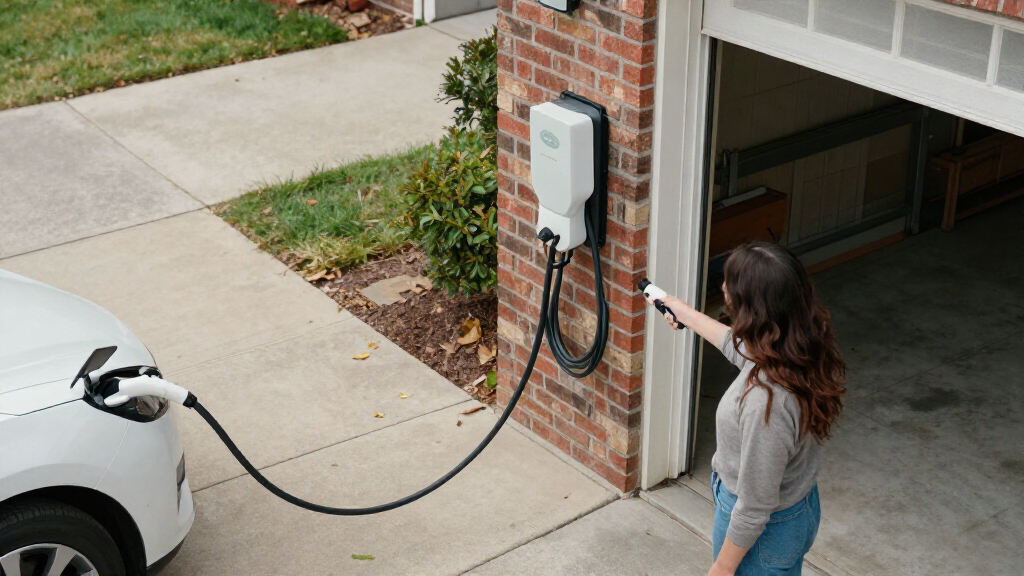
How We Picked
I compared the 15 chargers on the details that change the ownership experience: maximum amperage and charging level, plug-in versus hardwired installation, connector type, cable reach, and smart or power-management features. I also weighed flexibility for renters or occasional travel against the more permanent setup and higher output available from hardwired models. A high amp rating only helps when a home’s wiring and vehicle can support it, so I treated compatibility and installation fit as core ranking factors rather than assuming the fastest specification makes a charger best for everyone.
The ranking favors chargers that balance useful capability with a clear use case. The Emporia Pro leads because its 48-amp rating and PowerSmart feature set give it a strong mix of output and energy-management potential; the ChargePoint HomeFlex options merit attention for buyers prioritizing a connected brand and connector choice. Lower-output portable units rank as alternatives for flexibility, not as direct speed competitors. Plug-in 40-amp models are appealing for simpler installation planning, but they do not automatically outrank hardwired choices when a buyer needs higher output or a fixed setup.
| home EV charger | Connector |
|---|---|
| DEWALT Level 2 Hardwired EV Ch | SAE J1772 |
| Emporia Pro Level 2 EV Charger | SAE J1772 |
| EVDANCE Portable Level 1 and L | J1772 |
| IYILO Level 2 EV Charger | NACS (J3400) |
| Grasside Level 2 EV Charger | J1772 |
| IYILO Level 2 EV Charger | SAE J1772 |
| ChargePoint HomeFlex Level 2 E | J1772 |
| ChargePoint HomeFlex Level 2 H | NACS |
| Evwallbox Level 2 EV Charger | SAE J1772 |
| 40A Level 2 EV Charger with J1 | J1772 |
| Raylix Portable Level 1 and Le | SAE J1772 |
| AIMILER 48A Level 2 Hardwired | J1772 |
| Lectron Level 2 J1772 Nexus EV | J1772 |
| Leviton Smart Level 2 EV Charg | SAE J1772 |
| Emporia Level 2 48A WiFi EV Ch | SAE J1772 |
Factors to Consider When Choosing Best Home EV Chargers
Before choosing a charger, I would start with the electrical setup and the vehicle connector, then decide how much flexibility you actually need. These checks can prevent an expensive mismatch that a longer cable or smarter app cannot fix.
Match Charger Output to Your Electrical Capacity
A charger’s amperage is not a promise of the speed every home or vehicle will deliver. The circuit must be sized for continuous charging, and the vehicle’s onboard charger may limit power even when the EVSE supports more. Ask a licensed electrician to check the panel, wiring route, and available capacity before buying a 48-amp hardwired unit. A 40-amp option may be a better fit if the electrical work needed for higher output is extensive. Avoid choosing solely by the largest number on the listing; calculate whether the extra output will make a practical difference to your daily charging window. If you rarely arrive home with a nearly empty battery, a lower-output setup may cover routine driving without a panel upgrade.
Choose the Connector for Your Vehicle and Future Plans
Connector compatibility is a hard filter, not a minor convenience. These picks include J1772 and NACS options, and the right choice depends on the vehicle’s inlet and any manufacturer-approved adapter arrangement. Check the exact model year and charging inlet rather than relying on a brand name or a broad compatibility claim. If you expect to change vehicles, consider whether an adapter is supported and whether it adds a step you are comfortable managing. A connector that fits today can be the simplest choice, while a different standard may make more sense if your next vehicle is already planned. Confirm compatibility with the vehicle maker before installation, especially when the charger is hardwired and difficult to swap.
Decide Between Plug-In and Hardwired Installation
A plug-in charger can be easier to remove or replace, which may suit a garage with a suitable dedicated outlet or a household that values flexibility. Hardwired units offer a fixed installation and can support higher output, but they require a more involved electrical setup and are less portable. Do not assume an existing NEMA 14-50 receptacle is ready for continuous EV charging; its condition, circuit rating, and installation quality matter. A new outlet may cost more effort than hardwiring, depending on the panel and cable route. Ask an electrician to quote both approaches before selecting a charger based on installation convenience alone. The cheaper-looking setup can lose its appeal if the home needs significant electrical work either way.
Treat Cable Reach and Mounting Location as Daily-Use Decisions
A 25-foot cable appears across many models in this roundup, but the same length can feel different depending on where the parking spot sits relative to the panel. Measure the route from the proposed charger location to the vehicle’s inlet, allowing for the cable to reach without stretching across a walkway or driveway. A longer path may require a different mounting point or a cable-management plan rather than simply pulling the cord taut. Outdoor placement also calls for checking the charger’s stated environmental ratings and the installer’s recommendations. Think about whether more than one vehicle will use the charger, since a single convenient parking position may not serve both. Planning the cable path first helps avoid a daily workaround that no app feature can solve.
Pay for Smart Features Only When They Solve a Real Problem
Wi-Fi, Bluetooth, and energy-management functions can make scheduling and monitoring more convenient, but their value depends on how you charge. If your utility has time-based rates, scheduled charging may help shift sessions to lower-cost periods; confirm that the charger, vehicle, and utility plan work together. Power-management features can be useful when household electrical capacity is tight, but buyers should verify how the specific system measures and controls load. App dependence can also be a drawback if setup requires reliable Wi-Fi in the garage or if you prefer simple plug-and-charge use. Compare the controls you will actually use with the charger’s required connectivity, rather than treating a longer feature list as automatic value. A basic model can be the better fit when reliable scheduled charging is already handled by the vehicle.
Consider Portability Against Charging Routine
Portable Level 1/Level 2 chargers offer flexibility when you may charge from different outlets or want a unit that can travel with you. Their lower 12-amp or 16-amp configurations in this roundup are a different proposition from fixed 40-amp and 48-amp chargers, so compare expected daily mileage and parking time before relying on one as your only home unit. Level 1 charging can work for light driving and long parking periods, but it may not replenish a larger battery quickly after a high-mileage day. Portable equipment also depends on having the correct outlet and safe circuit at each location. A dedicated wall charger makes more sense for frequent, predictable home charging, while portable models suit occasional use or households that value a backup option. Avoid using an adapter to make an unsuitable outlet appear compatible.
Frequently Asked Questions
Should I choose a 48-amp charger over a 40-amp model?
Choose 48 amps only if your vehicle can accept the added power and your home can support the required circuit and installation. The higher-output options in this roundup are primarily hardwired, so installation can be less flexible than with a plug-in 40-amp unit. If your daily charging window is long or your driving is heavy, the added output may be useful. For lighter daily use, a 40-amp charger may already recharge the car overnight. Have an electrician confirm the circuit requirements before deciding.
Can I install a plug-in EV charger in an existing NEMA 14-50 outlet?
Possibly, but the outlet’s presence alone does not confirm that it is suitable for sustained EV charging. The circuit rating, wiring, outlet condition, and installation quality should be checked, particularly if the receptacle was originally intended for another appliance. Ask an electrician to verify the circuit and the charger’s instructions before plugging in. Avoid relying on extension cords or adapters to bridge a mismatch. If the outlet needs substantial work, compare the cost and practicality of a hardwired installation.
How do I decide between a J1772 and NACS home charger?
Start with the charging inlet on your specific vehicle and confirm the manufacturer’s guidance for home charging. This roundup has both connector types, but connector choice should come before comparing apps or cable length. Some vehicle-and-charger combinations can use an approved adapter, though that adds another part to keep track of and may have specific compatibility limits. If you expect to replace your car soon, check the next vehicle’s inlet before committing to a hardwired charger. Verify the exact charger model and adapter support rather than assuming all versions of a product are interchangeable.
Is a portable Level 1/Level 2 charger enough for everyday home charging?
It can be enough for drivers with modest daily mileage and long periods when the car is parked, but it will replenish the battery more slowly than the 40-amp and 48-amp units here. Level 1 is most useful when charging needs are light or when a suitable 120-volt outlet is the available option. The portable EVDANCE and Raylix models add flexibility, but their stated 12-amp or 16-amp operation is not equivalent to a high-output hardwired charger. Estimate your regular energy use and overnight parking time before making one your only charger. If you often return home with a low battery, a dedicated Level 2 setup is likely a better match.
Will a smart EV charger lower my home charging costs?
A smart charger can help schedule charging, but savings depend on your utility rates and whether the schedule actually avoids higher-cost periods. Wi-Fi or energy-management features do not lower the energy your vehicle needs; they can change when charging happens or how household load is managed. Check whether your utility offers time-based rates and whether scheduling should be handled by the charger or the vehicle. Avoid paying for app features you will not use or that duplicate controls already available in your car. Confirm reliable connectivity at the installation location if remote monitoring matters to you.
Conclusion
For a strong balance of output and energy-management features, I recommend the Emporia Pro as the best overall pick, provided your electrical setup supports a 48-amp hardwired charger. Buyers prioritizing a connected option and connector choice should compare the ChargePoint HomeFlex J1772 and NACS versions; for a premium fixed installation, the DEWALT 48A is another high-output candidate, though buyers should confirm its electrical and connectivity fit. The Grasside 40A is a sensible value-minded plug-in option when its J1772 connector and NEMA 14-50 setup suit the home, while EVDANCE is the best beginner-friendly choice for someone who wants a portable unit with both Level 1 and Level 2 operation. For drivers who need a specific connector, start with the IYILO NACS models or the J1772 alternatives and verify vehicle compatibility before ordering. The best choice is the one that fits your car, circuit, parking layout, and charging routine—not simply the model with the largest amperage figure.