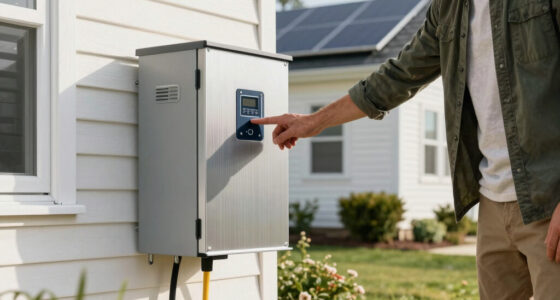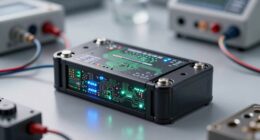

The EVIQO Level 2 EV Charger earns my best overall pick for 2026 thanks to its reliable 40-amp output, long cable, and clean app experience at a midrange price — it hits the sweet spot where most EV owners live. If you want maximum charging speed, the Autel MaxiCharger 80A Hardwired is the fastest option here, while the AIMILER 32A proves you don’t need to spend much for dependable overnight charging. The main tradeoffs in this category come down to amperage versus electrical capacity (a 48A unit needs hardwiring or a dedicated circuit most homes don’t have), and smart features versus simplicity — Wi-Fi apps add scheduling and tracking but also occasional connectivity headaches. Portability versus permanent installation is another dividing line. Keep reading for the full breakdown of all 15 chargers and which one fits your home, your panel, and your driving habits.

Get backup power and energy gear delivered free with Prime
- Fast, free delivery on millions of items
- Prime Video, Amazon Music and more included
- Member-only deals all year
Key Takeaways
- The 48A chargers (Emporia, ApexCharger MACH 1, NexCyber) only deliver their full speed when hardwired — plugged into a NEMA 14-50 outlet they cap at 40A, which erases much of their advantage over the cheaper EVIQO and Grizzl-E.
- App quality separated the top tier more than hardware did: Emporia and ChargePoint offer polished energy monitoring, while several budget chargers ship with apps that feel like afterthoughts.
- Dual-voltage portable units (MSI EZgo, Raylix, the touchscreen Level 1 model) can’t match dedicated Level 2 speed but are the only sensible choice for renters, travelers, and households without a 240V outlet.
- The ChargePoint Home Flex costs more than similar hardware because of its ecosystem and connector flexibility — worth it only if you value its network integration over raw specs.
- Cable length proved to be a real differentiator: the 25-foot cables on the EVIQO, Emporia, and AIMILER handle awkward garage layouts easily, while shorter cables on compact units force careful parking.




| electric vehicle charger | Connector | Cable Length | Voltage |
|---|---|---|---|
| EVIQO Level 2 EV Charger J1772 | J1772 (Tesla adapter included) | 25 ft | 240V |
| Emporia Pro Level 2 48A EV Cha | J1772 | 25 ft | 240V AC |
| Autel MaxiCharger Level 2 EV C | SAE J1772 | 25 ft | 240V AC |
| ApexCharger MACH 1 48-Amp Leve | — | 30 ft | 200-240V |
| AIMILER Level 2 EV Charger | J1772 (Tesla adapter required, not included) | 25 ft | 240V |
| Grizzl-E Level 2 Portable EV C | J1772 | 24 ft | — |
| Level 1 EV Charger with 2.8-In | SAE J1772 | 25 ft | 110/120V or 220/240V |
| MSI EZgo Type1 | Type 1 SAE J1772 | — | — |
| SEGUMA 32A Level 2 EV Charger | J1772 | 25 ft | — |
| ChargePoint Home Flex Level 2 | J1772 | — | — |
| DEWALT Level 2 Electric Vehicl | SAE J1772 (Tesla adapter sold separately) | 25 ft | — |
| NexCyber Level 2 EV Charger | J1772 | 25 ft | 240 V input and output |
| Emporia Level 2 EV Charger | SAE J1772 | 25 ft | 240 V |
| Raylix Level 1 & 2 Portable EV | SAE J1772 | — | — |
| ELEGRP Level 2 EV Charger 40A | J1772 (Tesla adapter sold separately) | 25 ft | — |
More Details on Our Top Picks
EVIQO Level 2 EV Charger J1772 40A 240V with NEMA 14-50 Plug
This pick makes the most sense for most homeowners because it balances charging speed, smart features, and price discipline without demanding a panel upgrade. At 40A on a common NEMA 14-50 outlet, it delivers roughly 30 miles of range per hour — enough for overnight replenishment of nearly any daily commute. Compared with the Emporia Pro, it gives up 8 amps of peak output but avoids hardwiring complexity for many setups, and its 25 ft cable beats shorter units like the ChargePoint Home Flex for reach across a two-car garage. The WiFi app handles off-peak scheduling and energy tracking, so time-of-use utility rates actually translate into savings. The tradeoffs are real but manageable: you need a dedicated 50A circuit, and the 2.4 GHz-only WiFi can be finicky with modern mesh routers.
Pros:- Works with virtually all non-Tesla EVs and PHEVs out of the box, Tesla via included adapter
- 25 ft cable comfortably spans garages and driveways
- App-based off-peak scheduling reduces electricity costs on time-of-use plans
- IP66 weatherproof housing with UL and ETL certifications for indoor or outdoor mounting
Cons:- Requires a dedicated 50A circuit and NEMA 14-50 outlet, which may mean electrician costs
- 2.4 GHz WiFi only, which can struggle with newer mesh networks
Best for: Homeowners with an existing or planned NEMA 14-50 outlet who want full-speed Level 2 charging with app scheduling
Not ideal for: Tesla-only households that want native NACS charging without relying on the included adapter
- Connector:J1772 (Tesla adapter included)
- Max Amperage:40A (adjustable 6-40A)
- Voltage:240V
- Plug Type:NEMA 14-50
- Cable Length:25 ft
- Certifications:UL, ETL, FCC, Energy Star
- Warranty:3 years
Our verdict“The safest all-around choice for a typical single-EV home that wants fast, smart charging without overbuilding.”
Emporia Pro Level 2 48A EV Charger with PowerSmart, J1772 Connector, and 25 ft Cable
Where this option stands out is PowerSmart load balancing — a feature none of the other picks here offer. If your electrical panel is nearly full, this charger dynamically shares capacity with your home’s other loads, potentially avoiding a costly panel upgrade that a fixed 48A unit like the ApexCharger MACH 1 would force. The integrated home energy monitoring pairs with the app’s scheduling so you can see exactly what charging costs you. Installation flexibility is another plus: it ships as a plug-in unit but can be hardwired, matching the ApexCharger’s dual-mode convenience. The tradeoff is that J1772-only compatibility means Tesla drivers need an adapter, and squeezing the full 48A still demands a 60A circuit if you don’t rely on the load-balancing feature to dial it down.
Pros:- PowerSmart load balancing can eliminate the need for a panel upgrade
- Combined charging and whole-home energy monitoring in one app
- Plug-in or hardwired installation options
- Full 48A output charges faster than 40A units like the EVIQO
Cons:- J1772 only — Tesla owners must supply their own adapter
- Maximum benefit requires the Emporia ecosystem and compatible electrical setup
Best for: Homeowners with limited panel capacity who want high-amperage charging without paying for an electrical service upgrade
Not ideal for: Renters or anyone without a 240V supply — there’s no 120V fallback, unlike dual-voltage portables like the MSI EZgo
- Connector:J1772
- Max Amperage:48A
- Voltage:240V AC
- Installation:NEMA 14-50 plug or hardwired
- Cable Length:25 ft
- Connectivity:Wi-Fi and Bluetooth
- Certifications:Energy Star, NEMA, UL
Our verdict“The smartest pick if your breaker panel is the bottleneck rather than your budget.”
Autel MaxiCharger Level 2 EV Charger, 80A Hardwired with AI Smart App Control
This model is better suited to buyers who want maximum future-proofed speed: at 80A and 19.2 kW, it adds roughly 70 miles of range per hour, more than double the throughput of the EVIQO or Emporia Pro. That headroom matters if you drive a truck like a Silverado EV or F-150 Lightning with a huge battery, or you share the charger across multiple vehicles. The AI-driven scheduling hunts for the cheapest utility windows automatically rather than making you set timers manually, and the rugged, theft-protected housing plus a 5-year warranty signal commercial-grade build. The catch is installation: it’s hardwired only, ideally on a 100A circuit, so electrician costs are unavoidable and many panels simply can’t support it. Tesla drivers also need to buy their own NACS adapter, which the ApexCharger includes.
Pros:- Class-leading 80A / 19.2 kW output adds about 70 miles of range per hour
- AI scheduling automatically targets the cheapest time-of-use rates
- Commercial-grade durability with theft protection and temperature monitoring
- 5-year warranty and eligibility for U.S. rebates and tax credits
Cons:- Hardwired installation on a 100A circuit requires professional electrical work
- Tesla vehicles need a separately purchased NACS adapter
Best for: Owners of long-range EVs and trucks with 19.2 kW onboard charging who want the fastest possible home charging
Not ideal for: Condo dwellers or anyone with a modest 100A electrical service — the circuit requirements make it impractical
- Connector:SAE J1772
- Max Current:80A
- Max Power Output:19.2 kW
- Voltage:240V AC
- Cable Length:25 ft
- Installation:Hardwired (100A circuit recommended)
- Certification:CSA, UL
- Warranty:5 years
Our verdict“Buy it only if your vehicle can actually accept 19.2 kW — otherwise you’re paying for speed you’ll never use.”
ApexCharger MACH 1 48-Amp Level 2 EV Charger with J1772 Connector and Tesla NACS Adapter
Compared with the EVIQO, this unit’s defining advantage is included Tesla NACS support — households mixing a Tesla with a J1772 vehicle can charge both without buying anything extra, a convenience only this pick in the lineup offers out of the box. The 30 ft cable is also the longest here, three feet beyond the EVIQO and Autel, which genuinely helps with driveway parking or awkward garage layouts. RFID cards add tap-to-charge simplicity that’s handy for guests or teen drivers who shouldn’t need the app. The tradeoff: to actually get the full 48A you must hardwire on a 60A breaker, because plug-in mode caps at 40A — so casual buyers who want to just plug into an existing 14-50 outlet get no more speed than cheaper options.
Pros:- Included NACS adapter covers Tesla vehicles alongside J1772
- 30 ft cable is the longest in this lineup
- Wi-Fi, Bluetooth, app control, and RFID cards for flexible access
- Outdoor-rated enclosure with both plug-in and hardwired options
Cons:- Full 48A output requires hardwiring on a 60A breaker
- Plug-in installation is capped at 40A, matching cheaper competitors
Best for: Households with both a Tesla and a J1772 EV, or anyone needing extra cable reach for driveway charging
Not ideal for: Buyers expecting 48A from a simple outlet install — plug-in mode is limited to 40A
- Connectors:J1772 plus Tesla NACS adapter
- Maximum Current:48A (40A in plug-in mode)
- Voltage:200-240V
- Installation:Hardwired or NEMA 14-50 plug
- Cable Length:30 ft
- Connectivity:Wi-Fi and Bluetooth
- Display:2.4-inch LED
- Environment:Indoor/outdoor
Our verdict“The most versatile pick for mixed Tesla/J1772 homes, provided you’re willing to hardwire for full speed.”
AIMILER Level 2 EV Charger, 32A, 25ft Cable, ETL Certified, 220V-240V NEMA 14-50P with J1772 Connector
This option stands out for value: it delivers genuine Level 2 charging at 7.68 kW for noticeably less outlay than the EVIQO or ChargePoint Home Flex, while still including a touch screen, app scheduling, and cost tracking that budget chargers often omit. Adjustable amperage from 16A to 32A means it works on a modest 20A-40A breaker, making it a good fit for older homes where the EVIQO’s 50A circuit requirement would be a dealbreaker. Compared with the SEGUMA 32A, its built-in CCID-20 leakage protection removes the need for an extra GFCI breaker, a real installation saving. Be realistic about the downsides: the app’s 2.4 GHz connection is a known frustration point, Tesla owners must buy an adapter, and the shorter warranty period offers less long-term reassurance than Autel’s five years.
Pros:- Genuine Level 2 speed at a budget-friendly price point
- Adjustable 16-32A amperage works on modest 20-40A circuits
- Built-in leakage protection eliminates the need for a separate GFCI breaker
- 25 ft cable rated for over 10,000 charging sessions
Cons:- Tesla/NACS vehicles require a separately purchased adapter
- App connectivity over 2.4 GHz Wi-Fi is unreliable, especially after switching phones
- Slower 32A ceiling compared with 40-48A competitors like the EVIQO or Emporia
Best for: Budget-conscious buyers or owners of plug-in hybrids and smaller-battery EVs who don’t need more than 32A
Not ideal for: Long-range EV owners who drive big daily mileage — 32A means slower overnight recovery than 40A-plus units
- Connector:J1772 (Tesla adapter required, not included)
- Max Current:32A (adjustable 16-32A)
- Max Charging Power:7.68 kW
- Voltage:240V
- Plug:NEMA 14-50P
- Cable Length:25 ft
- Certifications:ETL, FCC, UL2231-1/-2, UL2594
- Required Circuit:20A-40A breaker
Our verdict“A smart entry-level choice if you want app-controlled Level 2 charging without the amperage — or the invoice — of premium units.”
Grizzl-E Level 2 Portable EV Charger, 240V, 40A
The Grizzl-E stands out for drivers who need a portable 40A charger that can handle varied outlets and outdoor conditions. Its adjustable 7A–40A output helps match charging to the available circuit, while the NEMA 4X cast aluminum enclosure suits garages and exposed locations better than a basic portable unit. The included adapters and 24-foot cable also make it easier to move between compatible power sources. Compared with the ChargePoint Home Flex, this model emphasizes portability and outlet flexibility over a connected home charging setup. Its smart functions are local to the charger, though, so remote monitoring is limited, and buyers should confirm that each adapter and outlet combination is appropriate for their electrical setup. I’d choose it for flexible use, not for app-led home management.
Pros:- Adjustable 7A–40A output can suit different compatible circuits
- NEMA 4X cast aluminum enclosure supports indoor and outdoor use
- Includes multiple outlet adapters and a carrying case
- 24-foot cable provides flexible parking and outlet placement
Cons:- Smart features work only within range of the charger
- A 40A circuit and compatible outlet are needed to reach its highest output
Best for: EV owners who travel between compatible outlets or need a durable portable charger for a garage and outdoor parking area.
Not ideal for: Drivers who want reliable remote app control or a dedicated, permanently installed smart home charger.
- Connector:J1772
- Input and output voltage:240 V
- Maximum amperage:40 A
- Adjustable amperage:7–40 A
- Cable length:24 ft
- Enclosure:NEMA 4X cast aluminum
- Power:10,000 W
- Connectivity:Wi-Fi
- Included adapters:NEMA 5-15P, TT-30P, 14-30P, 6-50P
Our verdict“Choose the Grizzl-E if you want a rugged portable charger with broad outlet flexibility; pick the ChargePoint Home Flex for a more app-centered home setup.”
Level 1 EV Charger with 2.8-Inch Touch Screen, 25-Foot Cable, 110V/240V
This charger suits new EV owners who want a simple portable unit that can work with common household power or a compatible 240V outlet. Its screen, four current settings, and delayed start make basic charging choices visible on the device, while the 25-foot cable gives some freedom in where the car parks. On 240V at 16A, its stated maximum is 3.84 kW, well below the 40A Grizzl-E and MSI EZgo Type1. That lower ceiling can mean longer charging sessions, but it may fit drivers with modest daily mileage or limited electrical capacity. The J1772 connector covers many North American EVs and plug-in hybrids; Tesla owners need a separate adapter. I’d favor it for straightforward occasional charging over rapid home top-ups.
Pros:- Supports 110/120V and 220/240V outlets with included plug types
- Four current settings provide a straightforward way to adjust charging
- Delayed start can schedule charging up to 12 hours ahead
- 25-foot cable and 2.8-inch touch screen aid everyday setup
Cons:- Maximum output is 3.84 kW at 16A on 220/240V, below the 40A portable options
- Tesla compatibility requires a separate J1772-to-Tesla adapter
Best for: New J1772 EV or plug-in hybrid owners who want a portable charger for overnight charging from household or compatible 240V outlets.
Not ideal for: Drivers who regularly need fast charging or Tesla owners who do not want to buy a separate adapter.
- Connector:SAE J1772
- Voltage:110/120V or 220/240V
- Current settings:8A, 10A, 13A, or 16A
- Maximum output:3.84 kW at 16A on 220/240V
- Cable length:25 ft
- Display:2.8-inch touch screen
- Delayed start:1–12 hours
- Plugs:NEMA 5-15 and NEMA 6-20
- Tesla compatibility:Requires separate J1772-to-Tesla adapter
Our verdict“Pick this model for accessible, adjustable overnight charging, but choose a higher-amperage unit if you need quicker replenishment.”
MSI EZgo Type1 (J1772) 40A/9.6kW Level 1/2 Portable EV Charger with NEMA 5-15 & NEMA 14-50 Plugs, Gray
The MSI EZgo Type1 combines 120V and 240V charging with a 40A maximum, giving one portable unit a broad range of uses. Swappable NEMA 5-15 and 14-50 cords let owners move between household charging and a suitable Level 2 outlet; at its stated Level 2 maximum, it can add range far faster than the 16A touchscreen charger in this roundup. Its IP66 rating, claimed crush resistance, carrying case, and app scheduling add practical flexibility. That feature mix makes it a more capable portable alternative to the SEGUMA 32A, though it is bulkier according to the listed dimensions and remains limited to J1772 vehicles unless a suitable adapter is used. I’d weigh the outlet and connector fit carefully before choosing it, especially for Tesla or Type 2 vehicles.
Pros:- Up to 9.6 kW and 40A on a suitable Level 2 setup
- Swappable NEMA 5-15 and NEMA 14-50 cords support two outlet types
- IP66 rating and stated crush resistance up to 2 tons
- App scheduling, carrying case, and display add portable-use convenience
Cons:- J1772 connector does not directly fit Tesla or Type 2 vehicles
- Listed dimensions make it a less compact choice than simpler portable chargers
Best for: J1772 EV owners who need one portable charger for household 120V charging and faster charging from a NEMA 14-50 outlet.
Not ideal for: Tesla or Type 2 vehicle owners seeking direct connector compatibility, or buyers prioritizing a compact charger.
- Connector:Type 1 SAE J1772
- Maximum charging power:9.6 kW / 40A
- Charging level:Level 1 / Level 2
- Input voltage:120 V listed
- Included plugs:NEMA 5-15 and NEMA 14-50
- Display:1.8-inch with multicolor LED indicators
- Protection:IP66; crush resistance up to 2 tons
- Warranty:2 years
- Dimensions:15.2 × 15.55 × 6.06 in
Our verdict“Choose the MSI for flexible 120V and 240V portable charging with high Level 2 output, provided its J1772 connector and size suit your needs.”
SEGUMA 32A Level 2 EV Charger with J1772 Connector and NEMA 14-50 Plug
The SEGUMA is a practical middle ground for drivers who want adjustable Level 2 charging without stepping up to a 40A or 50A unit. Five current settings, from 10A to 32A, make it easier to match charging to a compatible electrical setup; its 1.77-inch display shows session details at the charger. The 25-foot cable and portable or wall-mounted accessories add placement flexibility. Compared with the MSI EZgo Type1, the SEGUMA tops out at a lower 32A, so it gives up some potential charging speed, while remaining a more modest choice for buyers who do not need 40A output. It uses a J1772 connector and NEMA 14-50 plug, so outlet and vehicle compatibility still matter. I’d pick it for adjustable home charging, not for the highest output in this group.
Pros:- Five current settings from 10A to 32A
- 25-foot cable supports flexible parking and charger placement
- IP66 rating and listed voltage, overcharge, and overheating protections
- Can be used portably or wall-mounted
Cons:- 32A maximum is lower than the MSI EZgo Type1’s 40A output
- Requires a compatible NEMA 14-50 outlet and J1772 vehicle connection
Best for: J1772 EV owners with a compatible NEMA 14-50 outlet who want selectable charging current and flexible portable or wall-mounted placement.
Not ideal for: Drivers seeking the highest available charging output or those whose vehicle lacks a J1772 port and adapter.
- Maximum charging current:32A
- Adjustable current settings:10A, 16A, 20A, 24A, 32A
- Connector:J1772
- Plug:NEMA 14-50
- Display:1.77-inch TFT
- Cable length:25 ft
- Ingress protection:IP66
- Mounting options:Portable or wall-mounted
Our verdict“Choose the SEGUMA for adjustable 32A charging and flexible placement; choose a 40A model if faster charging is your priority.”
ChargePoint Home Flex Level 2 EV Charger J1772 – NEMA 14-50 Plug
The ChargePoint Home Flex is the strongest fit here for drivers building a connected home charging setup. Its app supports scheduling, reminders, and home device integration, while the same app can help locate ChargePoint network stations when a trip goes beyond home. The unit is UL-certified for indoor or outdoor use and is listed to deliver up to 45 miles of range per hour on a 240V NEMA 14-50 outlet. That makes it a more home-centered alternative to the portable Grizzl-E, which offers broader outlet flexibility but limits smart features to the charger’s range. The tradeoff is installation: this model calls for a 40A or 50A circuit and professional electrician work. Its J1772 connector also means Tesla drivers need an adapter.
Pros:- UL-certified for indoor and outdoor use
- App supports scheduling, reminders, and home device integration
- Up to 45 miles of range per hour on a 240V NEMA 14-50 outlet, as specified
- ChargePoint app provides access to its charging station network
Cons:- Requires a suitable 40A or 50A circuit and professional electrician installation
- Tesla vehicles require a separate adapter for the J1772 connector
Best for: EV owners with a suitable home circuit who want app scheduling, home integrations, and access to ChargePoint station information.
Not ideal for: Drivers who need a travel-ready charger, lack a suitable 40A or 50A circuit, or want direct Tesla connector compatibility.
- Connector:J1772
- Plug:NEMA 14-50
- Output voltage:240 V
- Amperage:50 A
- Circuit requirement:40A or 50A
- Stated charging speed:Up to 45 mi/hr
- Certification:UL
- Weight:13.8 lb
- Indoor/outdoor use:Both
Our verdict“Choose the Home Flex for app-managed home charging and ChargePoint network access if your electrical setup supports its installation requirements.”
DEWALT Level 2 Electric Vehicle Charger, 40 Amp, 240V, Wi-Fi and Bluetooth, Wall-Mounted
DEWALT’s wall-mounted 40A charger brings the brand’s jobsite durability mindset to home charging, and it shows in the build and support package. The adjustable 12–40A current range means it can be dialed down for older wiring or maxed out for fast top-ups, and the 25-foot cable rivals the reach of the NexCyber and Emporia units without the indoor-only caveats — this one is CSA certified for outdoor use, rain or shine. Wi-Fi and Bluetooth connectivity enable scheduling and remote monitoring through the DEWALT app, plus 24/7 technical support backs the 3-year warranty. Compared with the ELEGRP portable, this is a permanent, prewired install rather than a plug-in, which means better weather sealing but less flexibility. The tradeoff: Tesla owners need a separately sold adapter, and professional installation is realistically mandatory.
Pros:- Adjustable 12–40A output matches any household electrical capacity
- 25-foot cable offers generous reach for driveways and deep garages
- CSA certified for both indoor and outdoor installation
- 3-year warranty with 24/7 technical support line
Cons:- Tesla vehicles require a separately purchased adapter
- Professional installation is needed for the prewired wall-mount design
Best for: Homeowners wanting a permanently mounted, outdoor-rated charger backed by a tool-brand support network
Not ideal for: Renters or anyone who might relocate — it’s a hardwired wall unit, not a take-it-with-you portable
- Charging level:Level 2
- Maximum current:40 A (adjustable 12–40 A)
- Maximum power:9.6 kW at 240 V
- Cable length:25 ft
- Connectivity:Bluetooth and Wi-Fi with DEWALT app
- Connector:SAE J1772 (Tesla adapter sold separately)
- Installation:Wall-mounted, prewired, hardware included
- Warranty:3-year limited
Our verdict“This is the pick for buyers who want a set-it-and-forget-it outdoor charging station with serious warranty backing rather than a portable plug-in.”
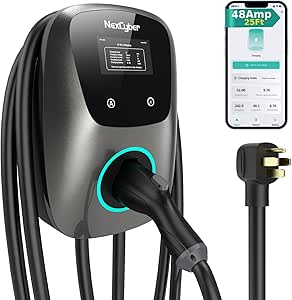
NexCyber Level 2 EV Charger, 48A, NEMA 14-50 Plug, 25 ft Cable, J1772 Connector
The NexCyber 48A charger stands out for how you interact with it: instead of app-only controls like the Emporia, it puts a built-in touchscreen right on the unit for adjusting charge settings, with the Wi-Fi app handling status tracking and history. It offers 48A when hardwired or 40A on the NEMA 14-50 plug, matching Emporia’s flexibility, and its 25-foot cable keeps it competitive on reach. ETL, FCC, and Energy Star certifications round out a credible safety story. The catch is a strange one for a wall charger: the manufacturer advises against direct sunlight and rain exposure, which undercuts the DEWALT for anyone mounting outdoors. Tesla and NACS vehicles also need an adapter, and the 48A hardwired mode requires an electrician.
Pros:- On-unit touchscreen for direct control of charging settings
- Adjustable current from 16A up to 48A hardwired
- 25-foot cable handles long driveways and awkward parking
- ETL, FCC, and Energy Star certifications with 3-year warranty
Cons:- Not suited for direct sunlight or rain despite being a wall unit
- Tesla and NACS vehicles require a separate adapter
Best for: Tech-comfortable drivers who prefer adjusting settings on the unit itself instead of digging through an app
Not ideal for: Outdoor driveway installs — the maker explicitly warns against sun and rain exposure
- Maximum current:48 A hardwired; 40 A on NEMA 14-50 plug
- Voltage:240 V input and output
- Connector:J1772
- Cable length:25 ft
- Connectivity:Wi-Fi app for status and history
- Certifications:ETL, FCC, Energy Star
- Warranty:3 years
Our verdict“A strong choice for garage-based installs where the touchscreen and app combo shine, but skip it if your charger lives outside.”
Emporia Level 2 EV Charger, 48A, 240V, Wi-Fi, J1772 Connector, 25-Foot Cable
Emporia’s charger earns its spot for data obsession: beyond scheduling, its Wi-Fi platform delivers real-time energy usage tracking, which matters if you’re trying to understand exactly what EV charging adds to your bill each month. The NexCyber shows charging history, but Emporia’s ecosystem is built around whole-home energy visibility. Hardware-wise, it matches NexCyber almost spec-for-spec — 48A hardwired, 40A on the NEMA 14-50 plug, 25-foot cable, J1772 connector — and adds UL listing and ENERGY STAR certification, a slightly stronger safety pedigree. The compromise is the same one NexCyber makes: plug-in mode caps at 40A, so full speed requires an electrician and hardwiring. There’s also no on-unit display; everything runs through the app, which frustrates buyers who prefer physical controls.
Pros:- Real-time energy data and charging schedules via Wi-Fi app
- Flexible install: hardwired 48A or 40A NEMA 14-50 plug-in
- UL listed and ENERGY STAR certified
- 25-foot cable with broad J1772 compatibility
Cons:- NEMA 14-50 plug mode is limited to 40A
- No physical display — all settings live in the app
Best for: Cost-conscious EV owners who want to track charging energy use against their utility bill in detail
Not ideal for: Buyers who want screen-based controls on the unit itself — this is app-only
- Maximum current:48 A hardwired; 40 A with NEMA 14-50 plug
- Voltage:240 V
- Connector:SAE J1772
- Cable length:25 ft
- Wi-Fi:2.4 GHz
- Certifications:UL listed; ENERGY STAR
- Dimensions:3.39 × 9.06 × 12.6 in, 16.6 lbs
Our verdict“If knowing exactly how much energy your car consumes matters as much as charging speed, this is the data-first choice in the lineup.”
Raylix Level 1 & 2 Portable EV Charger with J1772 Connector, NEMA 5-15/6-20 Plug, 16A Adjustable
The Raylix dual-plug portable plays a completely different role from the 40A+ units here: it swaps raw speed for plug-anywhere flexibility. With NEMA 5-15 and 6-20 plugs, it works from an ordinary household outlet or a 240V dryer-style circuit — no electrician, no wall mount. The MSI EZgo offers a similar dual-voltage concept at higher amperage, but the Raylix keeps things simple and affordable with four current settings (8–16A), a 1–12 hour delay timer for off-peak rates, and a TFT display showing live voltage, current, and temperature. Reality check: on a standard 120V outlet it drops to 12A and just 3–5 miles of range per hour, so this is an overnight trickle, not a fast charger. Compared with the ELEGRP 40A, it’s roughly a quarter of the speed at best.
Pros:- Works from both standard 120V and 240V outlets with no installation
- Four adjustable current levels plus off-peak delay timer
- TFT color display shows real-time voltage, current, power, and temperature
- IP65 water resistance and multi-layer electrical protection
Cons:- Automatically limited to 12A on standard 5-15 outlets
- Charging speed is modest even in 240V mode compared with 40A stations
Best for: Plug-in hybrid owners, apartment dwellers, and EV drivers who want an emergency trunk charger that works in any outlet
Not ideal for: Long-range EV drivers who need daily fast replenishment — 16A max is too slow for heavy commuting
- Connector:SAE J1772
- Plugs:NEMA 5-15 and NEMA 6-20
- Adjustable current:8A / 10A / 12A / 16A
- Level 2 charging:240V, 16A, 3.68 kW, 9–12 miles/hr
- Level 1 charging:120V, 12A, 1.44 kW, 3–5 miles/hr
- Delay timer:1–12 hours
- Protection:IP65 water resistance; UL94V-0 flame resistance
- Warranty:2 years
Our verdict“Not a primary charger — this is the affordable, toss-in-the-trunk fallback that saves you when you’re away from home.”
ELEGRP Level 2 EV Charger 40A, J1772 Portable Electric Car Charger, 240V NEMA 14-50 Plug, 25FT Cable
The ELEGRP 40A portable hits the sweet spot for buyers who want full-speed Level 2 charging without paying for smart features they may never use. It plugs into a common NEMA 14-50 outlet — the same socket the NexCyber and Emporia use in plug-in mode — yet skips the app and touchscreen entirely, keeping the price down. What you still get is genuinely good: 9.6 kW output rated at up to 37 miles of range per hour, five current settings from 16–40A, a 1–12 hour delay timer for off-peak rates, and an IP67 weather rating that actually beats the NexCyber’s avoid-the-rain disclaimer. ETL certification and PBE multi-layer safety protection cover the essentials. The tradeoffs are minor but real: Tesla owners need a separately sold adapter, and at 13.2 pounds it’s heavier than typical portables.
Pros:- Full 9.6 kW / 37 mph charging from a standard NEMA 14-50 plug
- IP67 weatherproof rating for safe outdoor use
- Five adjustable current levels plus off-peak delay timer
- ETL certified with multi-layer overheat and safety protection
Cons:- No app or Wi-Fi connectivity — timer and current are set manually
- Tesla compatibility requires a separately purchased NACS adapter
Best for: Drivers who already have a 14-50 outlet and want maximum charging speed per dollar without app dependency
Not ideal for: Smart-home enthusiasts who want scheduling, energy tracking, and remote control from their phone
- Charging level:Level 2
- Maximum current:40 A (adjustable 16/20/24/32/40 A)
- Maximum power:9.6 kW at 240 V
- Plug type:NEMA 14-50
- Connector:J1772 (Tesla adapter sold separately)
- Cable length:25 ft
- Certification:ETL
- Warranty:2 years
Our verdict“The best-value pick if you want honest 40A speed and weatherproof durability without paying a premium for connectivity.”

How We Picked
My ranking starts with charging speed and real-world delivery, not the number on the box. A 48A charger that must be downgraded to 40A on a plug-in circuit gets judged at 40A, because that’s what buyers actually experience. I then weighed installation flexibility — whether a unit plugs into a common NEMA 14-50 outlet, hardwires into a panel, or works with a standard 120V household plug — since that determines who can realistically use it at all.
From there, I evaluated build quality and weatherproofing for chargers mounted outdoors, cable length and manageability for typical garage setups, and smart features — app reliability, scheduling, and energy monitoring — with an emphasis on whether the software adds genuine value or just complexity. Finally, I factored price-to-performance: a charger earns a higher rank when its features justify its cost relative to the rest of the lineup, which is why a well-priced 40A unit can outrank a pricier 48A model that doesn’t clearly beat it in daily use.
Factors to Consider When Choosing Best Electric Vehicle Chargers
Before settling on a specific charger, it helps to understand the bigger picture — your home’s electrical capacity, your daily mileage, and how long you plan to keep the unit all shape which charger is actually right for you. These are the factors I’d work through before spending anything.Match the Amperage to Your Panel, Not Your Ambitions
The most common mistake I see is buying a 48A or 80A charger before checking whether the home’s electrical panel can support it. A 48A charger requires a 60-amp dedicated circuit, and many older homes with 100-amp service simply can’t spare that alongside other loads — an electrician may quote you for a panel upgrade that costs more than the charger itself. Meanwhile, a 32A charger on a 40-amp circuit adds roughly 25 miles of range per hour, which covers the needs of most commuters overnight. Paying for amperage you can’t use or don’t need is money wasted. Have an electrician assess your panel capacity before you order, not after the box arrives. If an upgrade is in your future, a hardwired high-amp unit makes sense; if not, a plug-in 40A charger delivers nearly the same real-world convenience.
Hardwired vs. Plug-In: A Decision With Hidden Costs
Plug-in chargers using the NEMA 14-50 outlet dominate this roundup for good reason — installation is cheaper, and you can take the charger with you if you move. But there’s a tradeoff most buyers miss: plug-in units are capped at 40 amps by code, so a “48A” charger on a plug only ever delivers 40A. Hardwiring eliminates the plug, allows full amperage, and reduces a potential point of failure, but it means higher installation cost and a unit that stays with the house. There’s also a middle path worth knowing: some electricians install a 14-50 outlet on a 50-amp circuit so you keep flexibility while planning for a future hardwired upgrade. Renters and leasers should almost always choose plug-in or portable units. Homeowners planning to stay a decade should weigh hardwiring seriously.
Smart Features: Useful Tools or Subscription Bait?
Wi-Fi connectivity enables off-peak scheduling, charging history, and integration with solar or utility time-of-use rates — genuinely valuable if your electricity is cheaper at night. But smart features vary enormously in execution. Some apps are polished and updated for years; others are slow, ad-supported, or tied to cloud services that could be discontinued. Before buying, check whether scheduling works locally without an internet connection, because a charger that refuses to run its schedule during an outage is a real annoyance. I’d also caution against assuming that more connectivity is always better — a dumb-but-reliable charger with a simple delay timer covers the core need for many owners. If you have solar panels or track your energy use closely, prioritize chargers with whole-home energy monitoring rather than basic app controls.
Connector Type and the NACS Transition
Most vehicles in North America historically used the J1772 connector, which every charger in this roundup carries, but the industry shift toward Tesla’s NACS port has complicated purchases. Many newer vehicles now ship with NACS ports and include a J1772 adapter, which works fine with all of these chargers — but the adapter is one more piece to keep track of and one more connection in the chain. Some chargers, like the ApexCharger MACH 1, include a NACS adapter in the box, saving you a separate purchase. If you own a Tesla with a native NACS port, factor in adapter quality and whether it locks securely. Buyers planning to keep a charger for many years might reasonably lean toward brands promising native NACS cable options down the road.
Outdoor Ratings, Cable Length, and Everyday Ergonomics
If your charger will live on an exterior wall or driveway, a NEMA 4-rated enclosure matters — it stands up to rain, dust, and freezing temperatures, whereas lighter-duty housings degrade or allow moisture ingress over years of exposure. Cable length is the other everyday factor people regret skimping on: a 25-foot cable lets you reach a car parked nose-in or nose-out and accommodates visiting vehicles, while shorter cables lock you into one parking orientation. Also consider cable stiffness in cold climates, since some charging cables turn into rigid pipes below freezing and make coiling miserable. Holster and holder design sounds trivial until you’re fumbling with a heavy connector in the dark every night. These small ergonomic details determine whether you enjoy the charger or merely tolerate it.
When to Choose a Portable or Dual-Voltage Charger
Portable chargers that run on both 120V and 240V serve a distinct audience: renters, apartment dwellers, road-trippers, and anyone who hasn’t committed to installing an outlet. On a standard household plug they add only 3–5 miles of range per hour — fine for plug-in hybrids and light drivers, marginal for long-range EVs. But paired with a 14-50 outlet at a relative’s house or an RV park, the same unit delivers genuine Level 2 speed. The mistake to avoid is treating a portable as a permanent wall unit; repeated outdoor exposure and coiling wear them faster than enclosed hardwired models. If your situation is temporary — a lease ending soon, a house purchase in progress — a quality dual-voltage portable bridges the gap without wasted installation spending. Once you settle somewhere long-term, graduate to a dedicated wall charger.
Frequently Asked Questions
Is a 48A charger actually faster than a 40A charger if both plug into a NEMA 14-50 outlet?
No — and this trips up a lot of buyers. A NEMA 14-50 plug-in installation is limited to 40 amps of continuous output by electrical code, so a 48A charger plugged into an outlet runs at the same speed as a 40A model. To get the full 48 amps, the charger must be hardwired to a 60-amp dedicated circuit, which requires an electrician and often a panel assessment. The speed difference between 40A and 48A is roughly 9.6 kW versus 11.5 kW — about 30 versus 36 miles of range per hour — which matters mainly for large-battery trucks and SUVs. For most sedan and crossover owners charging overnight, 40 amps already finishes the job while you sleep. If you’re paying extra for 48 amps, make sure you’re also paying for the hardwired installation that unlocks it.
Can I install a Level 2 charger myself, or do I need an electrician?
If you already have a NEMA 14-50 outlet — common in garages with old dryers, welders, or RV hookups — then plugging in a Level 2 charger genuinely is a DIY job requiring nothing more than mounting a bracket. If that outlet doesn’t exist, adding a 240V dedicated circuit is not a beginner project: it involves running wire through walls, breaker work, and permitting in most jurisdictions. A botched high-amperage circuit is a fire risk and can void your homeowner’s insurance, so the electrician’s fee is cheap protection. Expect installation costs to vary with distance from your panel and whether the circuit is 40, 50, or 60 amps. One practical tip: get quotes before buying the charger, because the electrician’s findings may change which model you should buy.
Do I need Wi-Fi in an EV charger, or is it just another app to manage?
It depends on your electricity rates and habits. If your utility charges less during off-peak hours, a charger with scheduling can save you real money by automatically charging overnight without any daily effort — that’s the strongest argument for connectivity. Energy monitoring is the second genuine benefit, especially for drivers who want to track costs per month or integrate with solar. If you pay a flat rate and charge whenever convenient, connectivity adds little beyond firmware updates and remote status checks, and a simpler charger with a basic delay timer will serve you fine. One caution: chargers that depend on cloud servers for their core scheduling can become dumb appliances if the manufacturer discontinues support, so prefer brands with established app track records. Connectivity is a convenience, not a requirement.
Will a J1772 charger work with a Tesla or a newer NACS-equipped car?
Yes, with an adapter. Nearly every Tesla sold in North America comes with a J1772-to-NACS adapter in the trunk, and it works flawlessly with any J1772 charger — you simply click it onto the connector before plugging in. Newer vehicles from other brands that have switched to the NACS port also ship with adapters or make them available. There’s no charging-speed penalty when using a quality adapter; the electricity flows at whatever the charger and car negotiate. The main practical downsides are remembering where you left the adapter and making sure it locks securely during a session. Some chargers now include a NACS adapter in the box, which is a small bonus if you’d otherwise need to buy one. Long-term, expect more chargers to offer native NACS cables, but for now J1772 remains the safe universal choice.
Is a portable Level 2 charger a good substitute for a wall-mounted unit?
It can be, with realistic expectations. A 40A portable like the Grizzl-E delivers the same charging speed as a wall unit when plugged into a 14-50 outlet, so electrically there’s no compromise — the tradeoffs are physical and practical. Portables aren’t as weather-protected as enclosed wall units, the connector ends take wear from being handled and coiled daily, and you’ll need somewhere to store the cable when not in use. For a renter, a household with one 240V outlet serving multiple purposes, or someone who splits time between homes, a portable is arguably the smarter buy because it travels with you. For a permanent setup used twice daily for years, a mounted charger with a holster wins on durability and convenience. Many owners actually pair the two: a wall unit at home and a portable in the trunk for trips.
Conclusion
The right charger depends less on which model is objectively best and more on your panel, your parking situation, and how you drive. For the best overall pick, I’d point most buyers to the EVIQO 40A — it pairs genuinely fast charging with a long cable and reliable app at a price that leaves room for installation. The AIMILER 32A takes best value, covering overnight commuter needs for far less than the flagship units. On the premium end, the Autel MaxiCharger 80A is the choice for large-battery trucks and anyone hardwiring a permanent setup, while the Emporia models suit energy-conscious owners who want detailed monitoring and solar integration. For beginners and renters, the MSI EZgo or Raylix dual-voltage portables let you start charging from a household outlet today and upgrade later without waste. If your priority is maximum flexibility with a proven ecosystem, the ChargePoint Home Flex justifies its premium for owners already invested in that network. Whatever you choose, verify your electrical capacity first — the best charger is the one your home can actually power.
Fall Picks
fall essentials
As an affiliate, we earn on qualifying purchases.