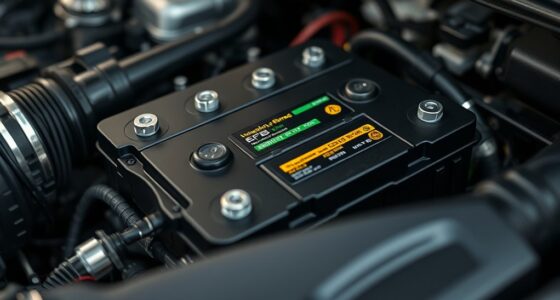
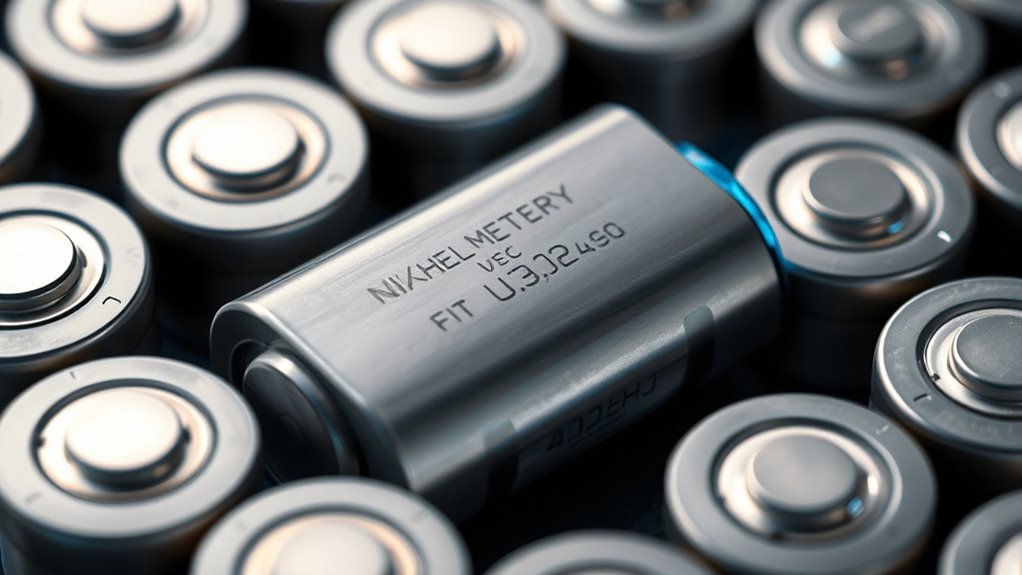
Nickel-metal hydride (NiMH) batteries offer reliable, high-capacity power with a safety advantage over lithium-ion options. They typically store between 1,000 and 2,500 mAh, making them ideal for hybrid vehicles, household appliances, and portable electronics. Known for durability and numerous charge cycles, they are environmentally friendly and recyclable. If you want to explore more about their features, capacity, and diverse uses, you’ll find useful insights ahead.
Key Takeaways
- NiMH batteries are rechargeable, offering high capacity, safety, and environmental benefits for various electronic devices and vehicles.
- They typically have a capacity range of 1,000 to 2,500 mAh, suitable for sustained power applications.
- Widely used in hybrid vehicles, household appliances, and portable electronics due to their durability and safety.
- Their features include multiple charge/discharge cycles, reduced risk of thermal runaway, and ongoing technological improvements.
- Recycling and proper disposal are essential to recover valuable metals and minimize environmental impact.
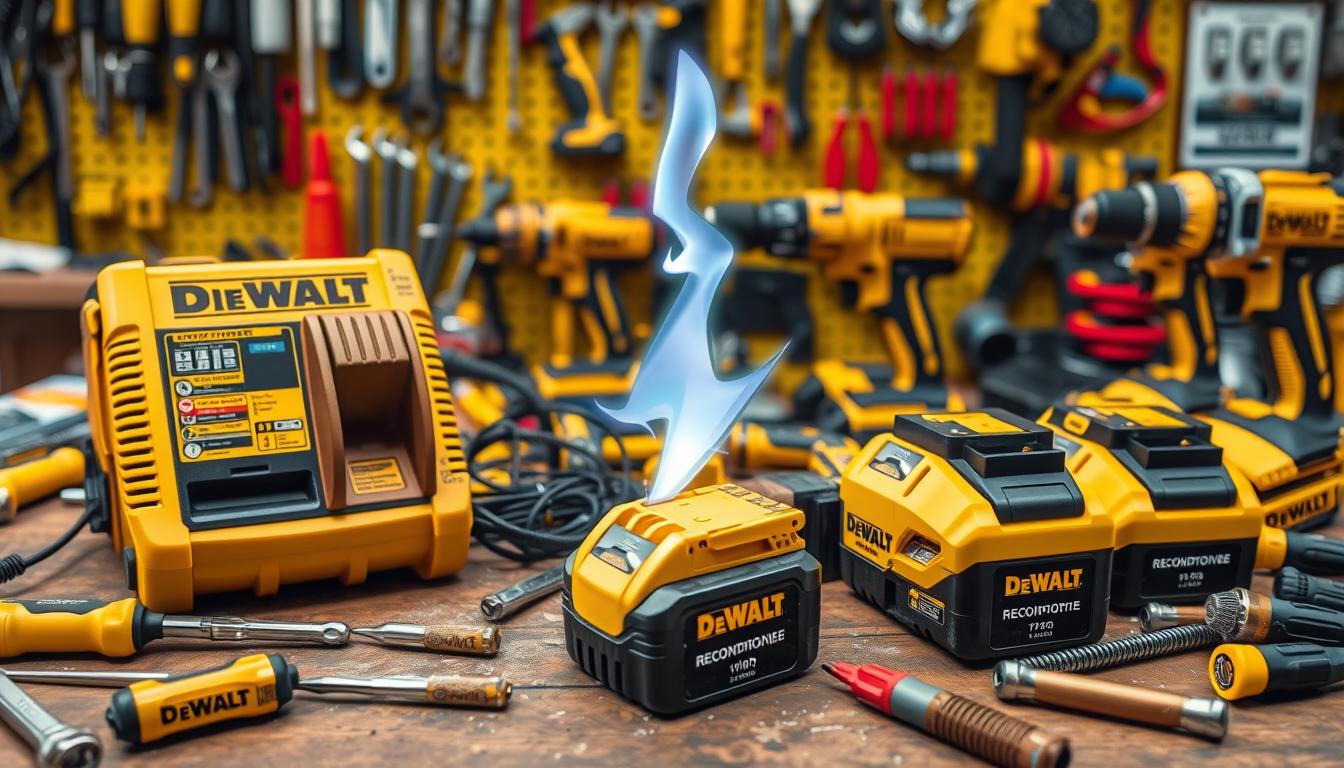
Have you ever wondered how rechargeable batteries power your everyday devices and electric vehicles? Nickel-metal hydride (NiMH) batteries are a common choice because they offer a good balance of capacity, safety, and environmental friendliness. These batteries are rechargeable, meaning you can reuse them many times, which makes them a practical option for a wide range of applications. As you rely on devices from smartphones to hybrid cars, understanding NiMH batteries can help you appreciate their role and the importance of proper disposal and recycling. Battery recycling is essential because it reduces the environmental impact associated with discarded batteries. When NiMH batteries are not properly recycled, hazardous materials can leach into the soil and water, posing risks to ecosystems and human health. Recycling helps recover valuable metals like nickel and rare earth elements, minimizing the need for mining new resources and decreasing the environmental footprint of battery production.
NiMH batteries are known for their relatively high energy capacity compared to older nickel-cadmium batteries, making them suitable for devices and vehicles that require sustained power output. They typically have a capacity ranging from 1,000 to 2,500 milliampere-hours (mAh), depending on their size and design. This capacity allows them to power everything from portable electronics to hybrid electric vehicles, where they serve as an energy storage solution that balances performance with safety. One of the key features of NiMH batteries is their ability to withstand numerous charge and discharge cycles without significant capacity loss. This durability makes them a cost-effective choice over the long term and reduces waste, which further supports environmental sustainability. Additionally, the development of improved separators and electrolytes continues to enhance their overall performance and lifespan.
In terms of applications, NiMH batteries are widely used in hybrid vehicles, where they provide the necessary energy to assist the internal combustion engine, boosting fuel efficiency and reducing emissions. They also power household appliances, digital cameras, and portable electronic devices. Their relatively safe chemistry and lower risk of thermal runaway compared to lithium-ion batteries make them a preferred option for certain uses. Despite their advantages, NiMH batteries do have some limitations, such as a tendency to self-discharge faster than lithium-ion batteries and a slightly lower energy density. However, ongoing advancements in battery technology continue to improve their performance and lifespan.
Understanding the features, capacity, and applications of NiMH batteries highlights their importance in a sustainable future. Proper management, including battery recycling, is essential to mitigate environmental impact and maximize resource recovery. As you use these batteries, being mindful of their lifecycle helps you contribute to reducing waste and supporting a cleaner planet. Sustainable practices in battery manufacturing and disposal are vital for reducing environmental impacts associated with energy storage technologies.
Frequently Asked Questions
How Do NIMH Batteries Compare to Lithium-Ion Batteries in Lifespan?
You’ll find NiMH batteries generally have a shorter lifespan than lithium-ion batteries, often lasting around 500-1000 charge cycles compared to 1000-2000 cycles for lithium-ion. This means you’ll need to replace NiMH batteries more frequently, impacting battery recycling efforts and increasing environmental impact. Choosing lithium-ion reduces waste over time and supports better sustainability, but proper disposal of both types is essential to minimize environmental harm.
Are NIMH Batteries Environmentally Friendly and Recyclable?
Think of NiMH batteries as eco-friendly gardens—you can nurture them responsibly. They’re generally considered more environmentally friendly than some alternatives because they contain fewer toxic materials. You can recycle NiMH batteries through specific recycling programs, which helps recover valuable materials and reduces waste. By choosing NiMH, you support eco-friendly materials, making it easier to minimize environmental impact and promote sustainable practices.
What Safety Precautions Should Be Taken With NIMH Batteries?
You should always follow proper handling guidelines when working with NiMH batteries to guarantee safety. Store your batteries in a cool, dry place, away from metal objects that could cause short circuits. Avoid puncturing or crushing them, and never expose them to extreme heat or flames. When not in use, keep batteries in their original packaging or a designated container to prevent accidental damage and ensure safe battery storage.
Can NIMH Batteries Perform Well in Extreme Temperatures?
Imagine a brave explorer facing a mountain’s chill and sun’s blaze — that’s you with NiMH batteries in extreme temperatures. While they possess decent temperature resilience, their energy efficiency dips in harsh cold or heat, affecting performance. For reliable power, avoid prolonged exposure to extreme conditions. You’ll get the best results when you keep them within moderate ranges, ensuring your devices stay energized and ready for any adventure.
How Do Charging Cycles Affect NIMH Battery Performance Over Time?
Charging cycles cause NiMH batteries to experience charge cycle degradation, which gradually reduces their performance over time. As you go through more cycles, you’ll notice capacity fade, meaning the battery holds less charge and lasts shorter durations. To maximize lifespan, avoid overcharging and deep discharges, and try to keep your battery within recommended charge levels. Proper maintenance helps slow down capacity loss and extends your battery’s useful life.
Conclusion
As you explore nickel-metal hydride batteries, you’ll uncover their impressive features and versatile applications. But there’s more to these power sources than meets the eye—hidden potentials that could redefine your expectations. Will future innovations unleash even greater capacities or new uses? Keep an eye on this evolving technology, because what lies ahead might just surprise you, transforming the way you think about energy storage forever. The next chapter is waiting to be written—are you ready to discover it?