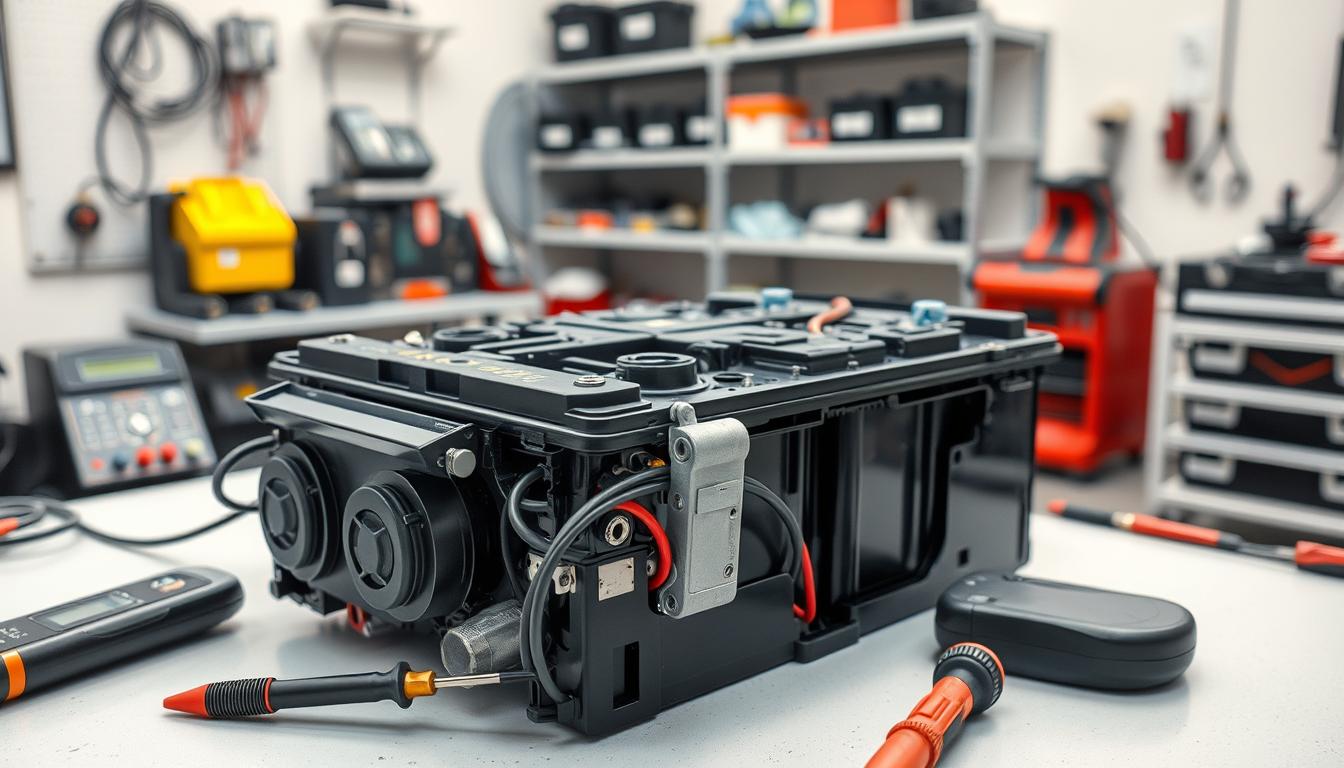

LTO batteries enable you to enjoy ultra-fast charging without sacrificing safety or longevity. Their exceptional thermal management keeps heat in check during rapid charges, preventing overheating and extending cycle life. Built with robust safety features, they’re chemically stable across wide temperature ranges, making them reliable even in extreme conditions. Plus, their design minimizes risks like thermal runaway, ensuring safer operation. Keep exploring to discover how these batteries can boost your energy solutions efficiently and securely.
Key Takeaways
- LTO batteries support ultra-fast charging due to their excellent thermal management, minimizing heat buildup during rapid cycles.
- They offer a long cycle life, often exceeding 10,000 charge-discharge cycles, thanks to their chemical stability and thermal safety features.
- Effective thermal management reduces overheating risks, enabling safe fast charging and prolonging battery lifespan.
- Built-in safety features like pressure relief valves and thermal cut-offs enhance reliability during rapid charging.
- Their wide operating temperature range and safety protocols ensure consistent performance and durability over extended use.

Have you ever wondered what makes LTO batteries stand out in the world of energy storage? The answer lies in their unique design and advanced safety features that set them apart from other battery types. One of the key factors is their exceptional thermal management. Unlike traditional lithium-ion batteries, LTO (lithium titanate oxide) batteries generate less heat during rapid charging and discharging cycles. This efficient thermal management helps prevent overheating, which is critical for maintaining battery performance and longevity. When batteries stay cool, they’re less prone to thermal runaway or other heat-related failures, ensuring safer operation even under demanding conditions. This advantage makes them ideal for applications requiring fast charging, where heat buildup can otherwise limit performance.
LTO batteries excel in thermal management, reducing heat during rapid charging for safer, longer-lasting energy storage.
Safety protocols are central to the design and use of LTO batteries. Because they’re engineered with robust materials and built-in safety features, they inherently reduce risks associated with thermal instability. Their chemistry is more stable than other lithium-ion variants, making them less likely to catch fire or explode if damaged or improperly handled. Manufacturers incorporate multiple safety protocols, such as pressure relief valves and thermal cut-off systems, which activate if the battery’s internal temperature exceeds safe limits. These safety measures provide peace of mind, especially in mission-critical environments like electric buses, energy grids, or backup power systems, where reliability is non-negotiable.
Another aspect that highlights their safety and thermal management is their ability to operate effectively across a wide temperature range. Whether you’re in a cold climate or a hot environment, LTO batteries maintain ideal performance. This resilience comes partly from their advanced thermal management systems that dissipate heat efficiently, preventing temperature spikes. Plus, their chemical stability means they don’t degrade as quickly when exposed to temperature fluctuations, extending their overall cycle life. Additionally, the use of stable materials in their chemistry contributes to thermal stability and overall safety, making them suitable for diverse operating conditions.
Additionally, the safety protocols embedded in the design of LTO batteries don’t just protect the equipment—they also safeguard users. Because these batteries are less prone to thermal runaway, the risk of fires or hazardous failures diminishes markedly. This makes them particularly attractive for large-scale energy storage and transportation sectors, where safety is paramount. Their ability to sustain rapid charging without compromising safety protocols means you can rely on them for quick turnaround times without sacrificing security or longevity.
In essence, the combination of superior thermal management and rigorous safety protocols is what empowers LTO batteries to deliver dependable, fast-charging, long-lasting performance. They’re engineered to perform safer and more efficiently, giving you confidence in their durability and security, no matter how demanding your application.
Frequently Asked Questions
How Do LTO Batteries Compare in Cost to Other Battery Types?
You’ll find that LTO batteries are generally more expensive than other types like lithium-ion or lead-acid, which impacts their cost comparison. However, their economic viability increases over time because of their ultra-fast charging and long cycle life, reducing replacement and maintenance costs. While the upfront cost is higher, their durability and performance can make them a smarter investment for applications needing rapid charging and longevity.
Are LTO Batteries Environmentally Friendly and Recyclable?
You’ll find that LTO batteries are quite eco-friendly overall. They undergo eco friendliness assessment, which shows they have a lower environmental impact compared to some other batteries. Plus, their recycling processes are well-established, making it easier to recover materials and reduce waste. This means you can use LTO batteries with confidence, knowing they’re designed to minimize environmental harm and promote sustainability throughout their lifecycle.
What Are the Typical Applications for LTO Batteries?
You’ll find LTO batteries shining brightest in industrial use and renewable energy setups. They’re the workhorse behind electric buses, grid storage, and solar power systems because of their fast charging, long cycle life, and reliability. When it comes to applications demanding durability and quick turnaround times, these batteries are the go-to. They make sure your energy needs are met efficiently, proving that sometimes, slow and steady doesn’t win the race.
How Do Temperature Extremes Affect LTO Battery Performance?
You’ll find that temperature extremes impact LTO battery performance by challenging their thermal stability and operational limits. In high temperatures, they may overheat, risking damage or safety issues, while cold temperatures can reduce capacity and charging efficiency. To maintain ideal performance, it’s essential to keep these batteries within their specified temperature range, ensuring they operate safely and reliably without compromising their long cycle life or fast-charging capabilities.
What Safety Features Do LTO Batteries Include?
You benefit from LTO batteries’ advanced safety features, which include built-in safety mechanisms like thermal stability controls to prevent overheating and thermal runaway. These batteries are designed to withstand extreme conditions, reducing risk of fire or failure. Their robust construction guarantees safe operation during rapid charging and discharging cycles. Overall, you get reliable performance with enhanced safety, making them suitable for demanding applications where safety is a top priority.
Conclusion
LTO batteries are revolutionizing energy storage with their ultra-fast charging and impressive cycle life. Did you know they can be charged to 80% in just 10 minutes? This remarkable speed means less downtime and more efficiency for your devices and vehicles. As technology advances, LTO batteries are set to become even more essential, offering a reliable, long-lasting power source that keeps up with your fast-paced lifestyle. Embrace the future of energy today!