
You should avoid reconditioning a battery if it shows signs of physical damage like swelling, cracks, or leaks, or if it no longer holds a charge and has drastically reduced capacity. If your battery has been exposed to extreme temperatures, has internal damage, or presents safety hazards such as overheating or leaks, attempts to recondition could be dangerous. Recognizing these red flags helps prevent accidents—continue on to learn more about keeping safe while managing batteries.

Get backup power and energy gear delivered free with Prime
- Fast, free delivery on millions of items
- Prime Video, Amazon Music and more included
- Member-only deals all year
Key Takeaways
- Avoid reconditioning if the battery shows physical damage like swelling, cracks, leaks, or corrosion.
- Do not attempt reconditioning if the battery no longer holds a charge or has drastically reduced capacity.
- Refrain from reconditioning batteries with signs of overheating, excessive heat during use, or sudden shutdowns.
- Do not recondition batteries that are deeply discharged or have been exposed to extreme temperatures or physical impacts.
- Avoid reconditioning if there is a suspicion of internal damage or safety hazards such as leaks or chemical exposure.
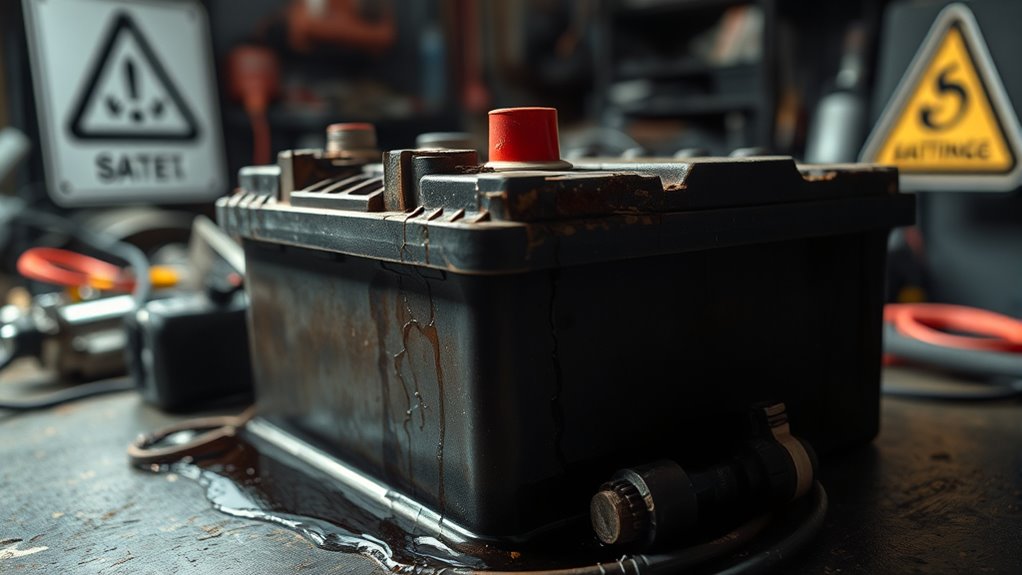
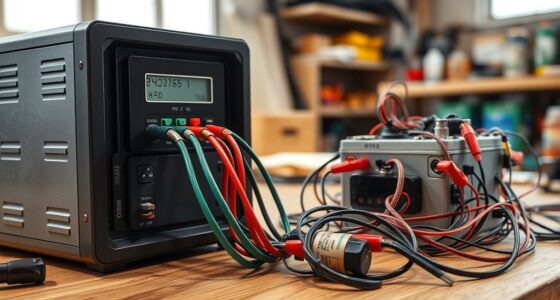
Reconditioning a battery can be a cost-effective way to extend its life, but there are times when it’s better to avoid trying. If you notice certain warning signs, reconditioning could be more risky than beneficial. One of the key aspects to consider is the battery’s overall condition, especially its battery lifespan. When a battery is substantially degraded—such as when it no longer holds a charge or its capacity is drastically reduced—attempting to recondition it might not be worth the effort. In these cases, the internal damage is often too severe, and the process won’t restore it to a safe or reliable state. Continuing to push a failing battery can lead to safety hazards like leaks, overheating, or even fires, especially if the battery has been deeply discharged or physically damaged.
Your charging habits play a vital role in determining whether reconditioning makes sense. If you tend to overcharge or frequently leave your device plugged in for extended periods, you might have accelerated the battery’s deterioration. Constant overcharging can cause swelling and internal damage, making reconditioning ineffective or dangerous. Conversely, irregular charging patterns, such as letting the battery drain completely before recharging, can also harm its health. If you’re aware of poor charging habits, it’s a sign that you should carefully evaluate whether reconditioning is worthwhile, or if replacing the battery would be a safer choice.
Poor charging habits can harm your battery’s health and make reconditioning unsafe.
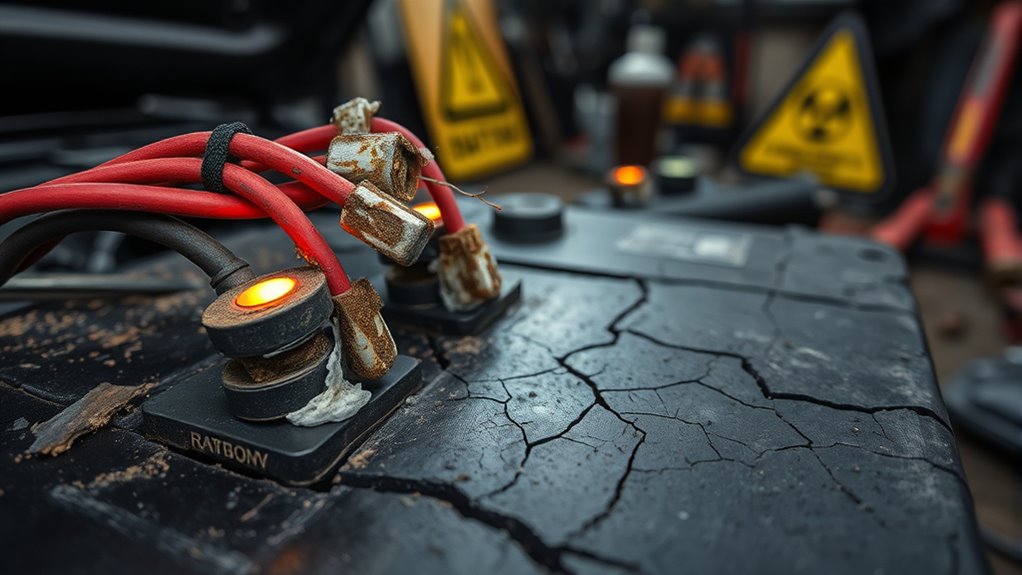
Another red flag is physical damage. If the battery shows signs of swelling, cracks, leaks, or corrosion, it’s a clear warning that reconditioning isn’t safe. Attempting to revive a physically compromised battery can expose you to toxic chemicals or cause dangerous reactions. Similarly, if the battery has been exposed to extreme temperatures or has been subjected to impact, its internal components might be compromised beyond repair, making reconditioning ineffective or hazardous. Additionally, aging batteries with reduced glycolic acid levels often lose their ability to hold a charge effectively, further indicating that replacement might be the safer option.
Finally, trust your instincts. If your battery exhibits inconsistent performance, such as suddenly shutting down, rapid discharges, or excessive heat during use, these are signs that it’s reaching the end of its safe lifespan. Trying to recondition in such cases can be futile and risky. When in doubt, consulting a professional or replacing the battery altogether ensures your safety and device reliability. Remember, reconditioning isn’t always the best option, especially when safety concerns outweigh potential savings.
As an affiliate, we earn on qualifying purchases.
Frequently Asked Questions
Can All Types of Batteries Be Safely Reconditioned?
Not all batteries can be safely reconditioned. Your ability to recondition depends on the battery chemistry and its condition. For example, lead-acid and NiMH batteries often respond well, but lithium-ion batteries have reconditioning limitations and safety concerns. Always assess the battery’s age, damage, and performance before attempting reconditioning. If you notice swelling, leaks, or severe corrosion, it’s best to avoid reconditioning to prevent safety risks.
What Are the Environmental Risks of Reconditioning Damaged Batteries?
Reconditioning damaged batteries can pose serious environmental hazards, including the release of toxic waste and hazardous chemicals. You risk contaminating soil, water, and air if you handle damaged batteries improperly. These environmental risks threaten ecosystems and human health, making it essential to avoid reconditioning if the battery shows signs of damage. Always prioritize safety by disposing of damaged batteries responsibly and seeking professional help to prevent environmental damage.
How Can I Test a Battery’s Health Before Attempting Reconditioning?
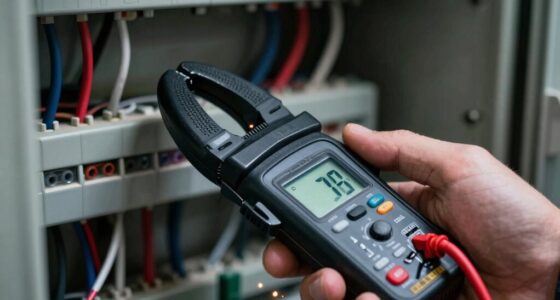
To test a battery’s health before reconditioning, check its voltage with a multimeter—healthy batteries usually read around 12.6 volts for 12V models. Also, measure internal resistance; low resistance indicates good health, while high resistance suggests problems. If voltage is markedly below the norm or internal resistance is high, it’s best to avoid reconditioning, as the battery may be too damaged to restore safely.
Are There Legal Restrictions on Reconditioning Certain Batteries?
You need to check legal compliance and battery regulations before reconditioning certain batteries. Some jurisdictions restrict reconditioning or require specific certifications due to safety or environmental concerns. Always research local laws and guidelines to verify you follow proper procedures. Failing to adhere to battery regulations can lead to legal issues or safety hazards. Stay informed about your area’s rules to safely and legally recondition batteries without risking penalties or harm.
What Protective Gear Should I Wear During Reconditioning?
You should wear protective equipment to stay safe during reconditioning. Always don safety goggles to shield your eyes from splashes or sparks, gloves to protect your skin from corrosive substances, and a mask if fumes are present. These safety precautions help prevent injuries and exposure to hazardous materials. Keep your workspace well-ventilated, and double-check your protective gear before starting. Staying cautious guarantees a safer, more effective reconditioning process.
Conclusion
Remember, reconditioning a battery isn’t always safe. If you notice swelling, leaks, or corrosion, it’s best to avoid trying to revive it. According to safety studies, over 30% of battery-related accidents happen due to attempting repairs on damaged batteries. Prioritize your safety—discard damaged batteries properly and seek professional help if you’re unsure. When in doubt, it’s smarter to replace than risk injury or fire. Your safety always comes first.
Fall Picks
fall essentials
As an affiliate, we earn on qualifying purchases.