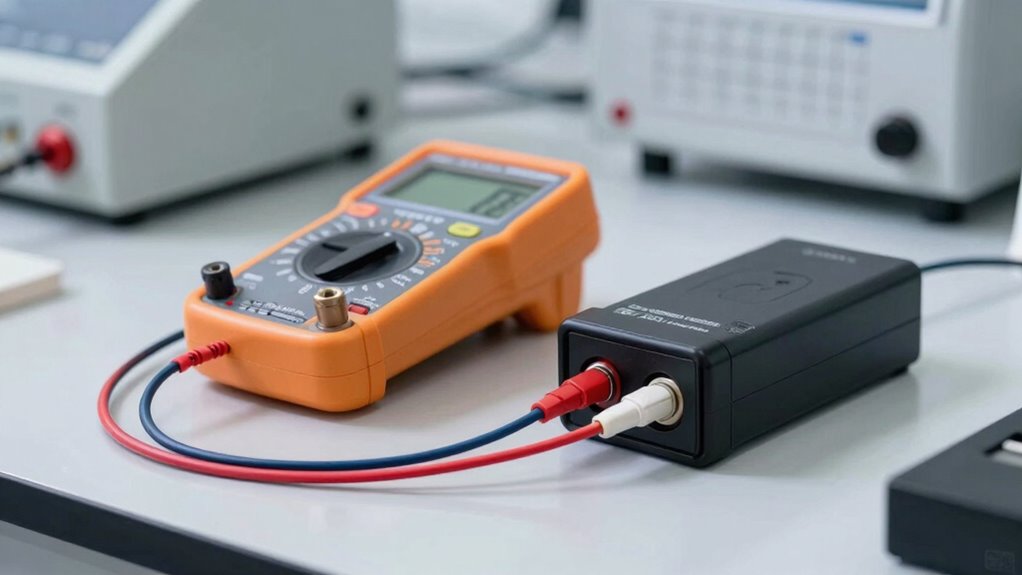

A battery baseline test should include measuring its current capacity, which tells you how much charge it can store compared to its original rating. You’ll want to evaluate the discharge rate to check its typical performance and monitor internal resistance and voltage stability for early signs of aging. Also, assess charging efficiency to spot internal issues. Keep in mind, understanding these aspects can help you make informed decisions—there’s more to uncover ahead.

Get backup power and energy gear delivered free with Prime
- Fast, free delivery on millions of items
- Prime Video, Amazon Music and more included
- Member-only deals all year
Key Takeaways
- Measurement of current battery capacity compared to rated specifications.
- Discharge rate assessment to evaluate performance under typical usage conditions.
- Charging efficiency analysis by comparing input energy to discharge output.
- Monitoring internal resistance, voltage stability, and temperature for early degradation signs.
- Overall health evaluation to identify aging effects and guide maintenance decisions.
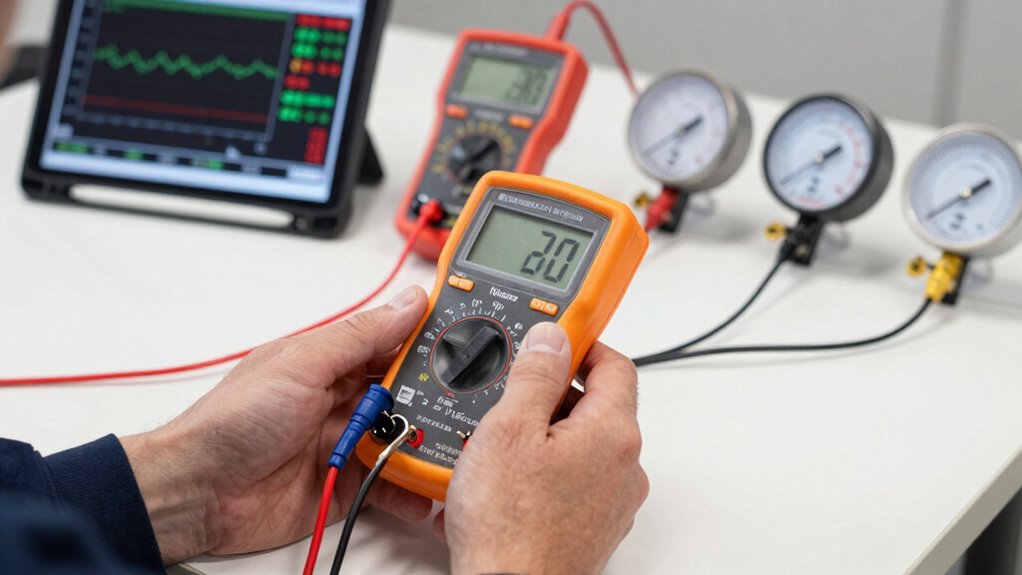
A battery baseline test is essential for evaluating the current health and performance of your battery before it undergoes further use or maintenance. When you perform this test, you’re essentially creating a snapshot of the battery’s condition, which helps determine if it’s functioning optimally or if it needs repairs or replacement. The core components of this assessment include measuring battery capacity and charging efficiency, both critical indicators of overall performance.
Battery capacity refers to how much charge your battery can store and deliver. During the test, you’ll want to measure the actual capacity against the original or rated capacity specified by the manufacturer. This step reveals if your battery has lost significant charge-holding ability over time, which is common with aging or repeated cycles. A decline in capacity can lead to shorter operational periods between charges, making it *crucial* to identify early on. *Guaranteeing* an accurate measurement involves discharging the battery at a controlled rate and recording the total energy output until it reaches a predetermined cutoff point. This process provides a clear picture of the current capacity, helping you decide whether the battery still meets your needs or if replacement is necessary. Additionally, measuring the discharge rate can help evaluate how well the battery performs under typical usage conditions. To ensure comprehensive evaluation, it’s also important to monitor the state of health over time, which can indicate long-term aging effects.
Charging efficiency is another *essential* parameter to include in your baseline test. It indicates how effectively your battery converts electrical energy during the charging process. Poor charging efficiency can point to internal issues, such as degraded cell chemistry or increased internal resistance. To assess this, you’ll charge the battery under standardized conditions and measure the amount of energy input versus the energy you can actually extract during discharge. A high charging efficiency means minimal energy loss, which is *preferable*. If the efficiency drops *considerably*, it suggests that the battery isn’t storing or releasing energy as well as it should, which could lead to longer charging times and reduced runtime. Additionally, understanding the internal resistance of the battery can help identify aging components and predict potential failures. Regularly monitoring voltage stability throughout the test can also help detect early signs of internal degradation. Ensuring that the temperature performance remains within safe limits is also vital for maintaining the overall safety and longevity of the battery.
As an affiliate, we earn on qualifying purchases.
Frequently Asked Questions
How Often Should a Battery Baseline Test Be Performed?
You should perform a battery baseline test at least once a year to guarantee proper battery maintenance and reliable performance. Regular testing protocols help identify potential issues early, extending battery life and preventing unexpected failures. If your environment is harsh or your equipment heavily used, consider testing more frequently, such as every six months. Consistent testing helps maintain peak performance and safety, saving you time and money in the long run.
What Equipment Is Necessary for a Battery Baseline Test?
To perform a battery baseline test, you’ll need essential equipment like a multimeter, load tester, and temperature sensor. Focus on testing procedures that evaluate battery chemistry and overall health. Make sure you have tools that measure voltage, current, and internal resistance accurately. With precise testing procedures, you can reliably assess battery performance, ensuring you gather meaningful data about the battery’s condition and longevity.
Can Baseline Tests Predict Battery Lifespan Accurately?
Baseline tests can give you a good idea of a battery’s health, but they don’t predict lifespan with absolute certainty. Factors like battery chemistry and how well your test is calibrated influence accuracy. You should interpret results carefully, considering how environmental conditions and usage patterns affect performance. Regular testing helps track battery trends over time, but always remember, predictions are estimates, not guarantees of exact lifespan.
Are There Safety Concerns During a Battery Baseline Test?
You’ll be glad to know that safety is a top priority during battery baseline tests. Less than 1% of testing incidents involve safety hazards, thanks to strict testing protocols. These protocols include proper handling, protective gear, and controlled environments to prevent accidents. Always follow established battery safety procedures to minimize risks, ensuring your testing process stays safe and effective, even when working with high-capacity or potentially hazardous batteries.
How Do Environmental Conditions Affect Baseline Test Results?
Environmental impact and testing conditions substantially influence your baseline test results. Changes in temperature, humidity, and exposure to elements can alter a battery’s performance measurements. For accurate results, you need consistent testing conditions, ideally in a controlled environment. Variations can lead to misleading data, which affects performance assessments. As a result, maintaining stable environmental conditions during testing ensures your baseline data is reliable, helping you make informed decisions about battery health and longevity.
Conclusion
Think of your battery baseline test as laying the foundation of a sturdy house—you want everything in place before building upwards. By carefully evaluating capacity, health, and performance, you set yourself up for reliable operation and early problem detection. Remember, just like a trusted compass guides a traveler, a thorough baseline keeps you on course, ensuring your battery’s journey is smooth and long-lasting. Don’t leave it to chance—know your battery’s story from the very start.
Halloween Picks
halloween
As an affiliate, we earn on qualifying purchases.