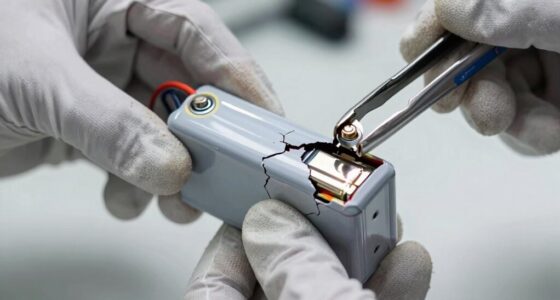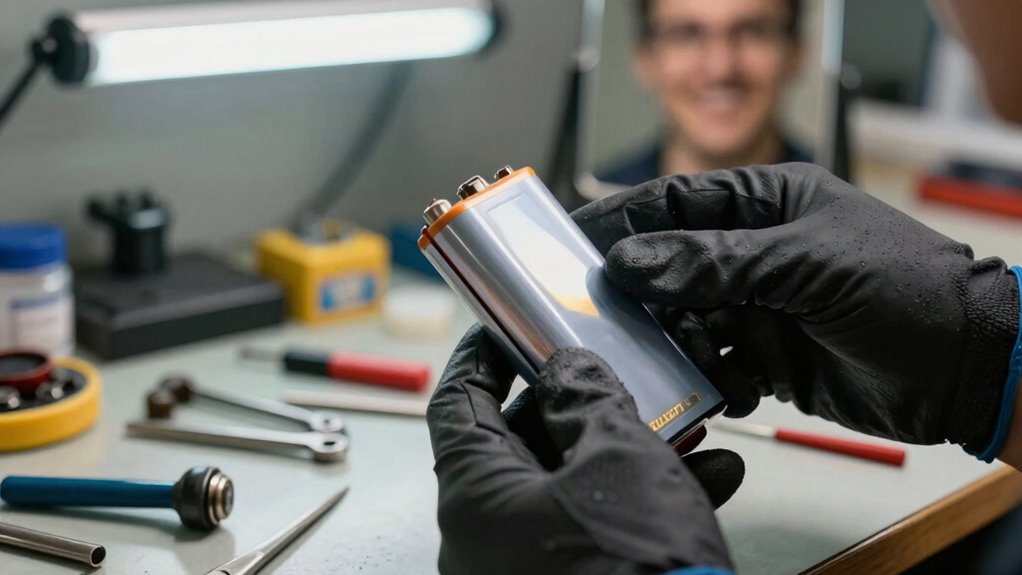

Overconfidence in battery work makes you ignore safety protocols and underestimate hazards, increasing your risk of accidents. Rushing or assuming you’re invincible can lead to neglecting protective gear or proper handling steps. This attitude masks warning signs like swelling or overheating, and can cause serious incidents. Recognizing the differences in chemistry and understanding risks helps you stay safe. If you stay cautious and aware, you’ll better prevent accidents and know what to do in emergencies.

Get backup power and energy gear delivered free with Prime
- Fast, free delivery on millions of items
- Prime Video, Amazon Music and more included
- Member-only deals all year
Key Takeaways
- Overconfidence leads to neglecting essential safety protocols, increasing the risk of accidents during battery handling.
- It causes underestimation of potential hazards like thermal runaway, fires, or chemical leaks.
- Overconfidence may result in skipping protective gear and double-checking procedures.
- It diminishes vigilance, reducing the ability to recognize warning signs of battery failure.
- It fosters a false sense of invulnerability, risking severe consequences from small mistakes.
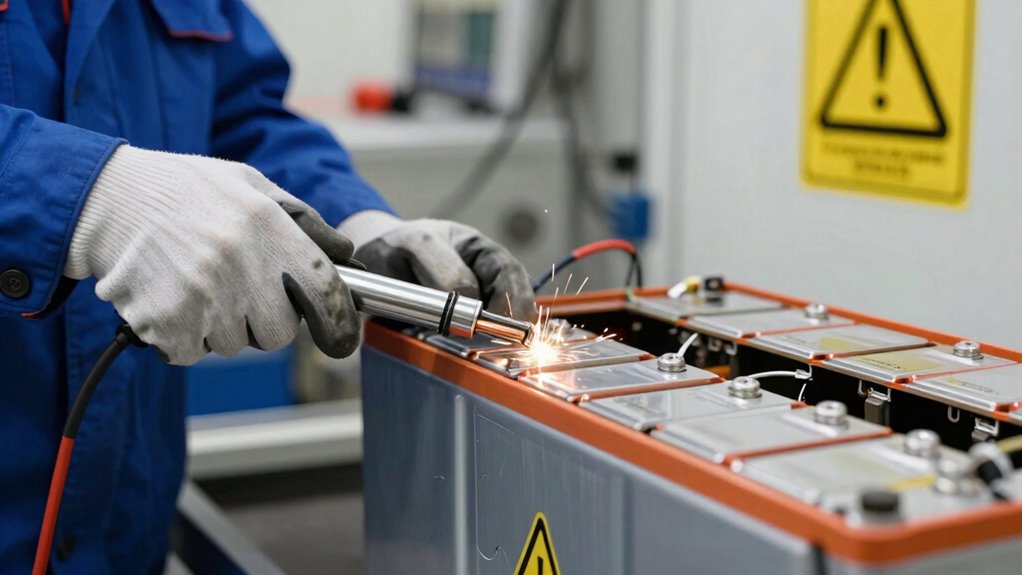
Overconfidence in battery work can lead to serious safety hazards if you underestimate the risks involved. When you assume that handling batteries is straightforward or that past experience makes you invulnerable, you increase the chance of accidents. Batteries, especially those with complex chemistry like lithium-ion, can be unpredictable if not handled with strict safety protocols. Battery chemistry influences how volatile a battery can become when damaged or improperly managed. For example, lithium-ion batteries contain flammable electrolytes that can ignite if punctured, short-circuited, or exposed to high temperatures. Overconfidence can cause you to bypass essential safety steps, such as wearing protective gear or double-checking connections, which could have severe consequences.
You might think you’re familiar with the procedures or that minor mistakes won’t matter. However, safety protocols aren’t just formalities—they’re critical measures designed to prevent dangerous situations. Ignoring or rushing through safety protocols increases the risk of electric shocks, fires, or chemical leaks. Overconfidence leads you to underestimate these hazards, which can be especially dangerous when working with batteries that contain volatile chemicals. Even a small mistake can escalate into a serious incident if you’re not cautious, and your overconfidence can blind you to the warning signs of potential hazards, like swelling, overheating, or unusual odors. Recognizing the battery chemistry involved is essential to understanding these risks fully.
Understanding the importance of battery chemistry is vital to maintaining safety. Different chemistries react differently under stress or damage. Lithium-ion batteries, for example, are more prone to thermal runaway if compromised, while nickel-based batteries might have different safety concerns. Recognizing these differences helps you implement the appropriate safety protocols for each type, reducing the chances of accidents. Overconfidence often leads you to overlook these nuanced safety measures, which are necessary to manage the specific risks associated with each chemistry. Additionally, awareness of chemical volatility can help you respond more effectively in emergency situations. Being familiar with battery safety guidelines ensures that you are prepared to handle unforeseen issues promptly and correctly.
Finally, knowing the laboratory safety guidelines specific to battery and chemical work is crucial to prevent hazards and ensure proper handling and disposal. Proper ventilation and air quality considerations also play a critical role in reducing the risk of chemical exposure during battery work. Ultimately, your confidence should be rooted in knowledge and respect for the hazards involved. Never assume that your experience alone is enough to handle battery work safely. Instead, stay vigilant, follow established safety protocols, and educate yourself about the specific battery chemistry you’re working with. When you approach battery work with humility and caution, you significantly lower your risk of accidents and protect yourself, others, and your equipment. Overconfidence might seem harmless at first, but in the world of batteries, it can be the difference between a safe operation and a serious safety incident.
As an affiliate, we earn on qualifying purchases.
Frequently Asked Questions
How Can Overconfidence Be Identified in Battery Work Practices?
You can identify overconfidence in battery work practices by observing risk perception and confidence calibration. If you notice you underestimate hazards or skip safety protocols because you believe you’re skilled enough, it signals overconfidence. Pay attention to your decision-making; when your confidence exceeds your actual skill or understanding, you’re likely overestimating safety. Regularly reassessing risks and seeking feedback helps you maintain accurate risk perception and proper confidence calibration.
What Are Common Signs of Complacency Among Battery Technicians?
You might notice complacency creeping in like a quiet fog, dulling your technician awareness during battery handling. Signs include rushing through tasks, neglecting safety gear, or dismissing warning signs. You may feel overly confident, thinking you’ve mastered every step, leading to risky shortcuts. This overconfidence blinds you to hazards, making safety protocols feel unnecessary. Stay alert, question your assumptions, and keep your focus sharp—don’t let complacency cloud your judgment.
How Does Overconfidence Affect Decision-Making During Battery Maintenance?
Overconfidence can impair your decision-making during battery maintenance by skewing risk perception, making you underestimate hazards. When you feel overly confident, you might skip safety protocols or rush procedures, risking accidents. It also affects your emotional resilience, reducing your ability to stay alert and respond appropriately to unexpected issues. Staying aware of your limits and maintaining a cautious mindset helps you make better decisions and guarantees safety during maintenance tasks.
Are There Specific Training Methods to Reduce Overconfidence Risks?
You can reduce overconfidence risks through targeted training methods like simulation training, which mimics real battery scenarios, helping you recognize limitations. Additionally, peer feedback plays a vital role—by sharing insights and pointing out blind spots, you stay grounded. When you combine these techniques, you become more aware of your skills and uncertainties, ultimately enhancing safety and decision-making during battery work.
What Role Do Safety Protocols Play in Mitigating Overconfidence in the Workplace?
Safety protocols are essential in shaping your safety culture and managing risk perception. They serve as clear guidelines, reminding you of potential hazards and proper procedures, which help reduce overconfidence. By consistently following these protocols, you stay alert and aware of risks, preventing complacency. This proactive approach fosters a safety-first mindset, ensuring you and your colleagues work safely and minimize accidents caused by overestimating your abilities or underestimating dangers.
Conclusion
Remember, overconfidence can be a serious safety risk when working with batteries. Studies show that nearly 60% of battery-related accidents involve complacency or overestimating one’s skills. Stay vigilant, follow safety protocols, and never undervalue the dangers. By keeping humility in check and prioritizing safety, you reduce the risk of accidents and ensure a safer work environment for yourself and others. Always stay alert—safety should never be taken lightly.
Columbus Day / Indigenous Peoples' Day Picks
long weekend sales
As an affiliate, we earn on qualifying purchases.