Using the wrong charger setting for your LiFePO4 batteries can silently cause irreversible damage over time. Many chargers claim universal compatibility, but without proper adjustments, you risk overcharging, undercharging, or applying incorrect algorithms that the battery’s BMS can’t handle properly. This can lead to capacity loss, heat damage, or reduced lifespan without obvious signs. Keep in mind, a single oversight in charger settings can quietly shorten your battery’s health—learn more to protect your investment.

Get backup power and energy gear delivered free with Prime
- Fast, free delivery on millions of items
- Prime Video, Amazon Music and more included
- Member-only deals all year
Key Takeaways
- Using incorrect voltage or current settings can overcharge LiFePO4 batteries, causing internal damage over time.
- Default or generic charger settings may bypass proper CC/CV algorithms, silently reducing battery lifespan.
- Setting the charger to a non-specific or incompatible mode risks thermal runaway and capacity loss.
- Improper charging voltage limits can lead to overvoltage, degrading battery chemistry and safety.
- Failing to manually set or verify LiFePO4-specific parameters can quietly damage batteries without immediate signs.
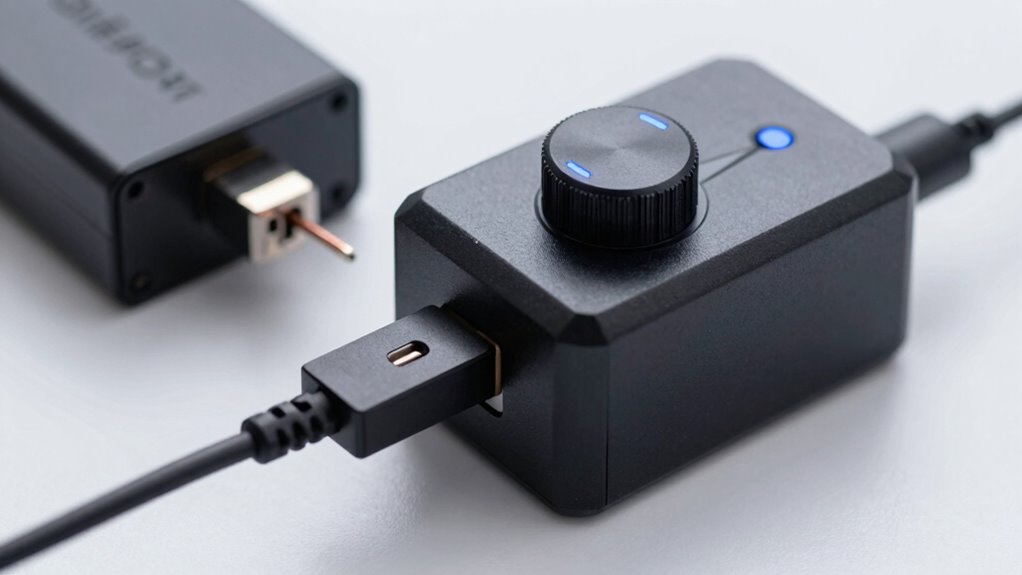
While many chargers are designed to safely charge LiFePO4 batteries, using a single charger setting improperly can cause significant damage. This is especially true if you’re not paying attention to how the charger’s battery management system (BMS) interacts with different charging algorithms. The BMS is vital because it monitors voltage, current, and temperature, ensuring your LiFePO4 battery stays within safe limits. If you select a setting that doesn’t align with the battery’s specific requirements, the BMS may not be able to protect the battery effectively, leading to long-term damage.
Many chargers offer a universal or default setting that claims to work with multiple battery chemistries, including LiFePO4. However, these generic settings often lack the precision needed for safe and efficient charging. LiFePO4 batteries require a carefully controlled charging process, typically involving a specific constant current/constant voltage (CC/CV) algorithm. If the charger doesn’t follow the correct charging algorithm, the battery can be overcharged or undercharged, both of which can degrade its capacity and lifespan over time.
Choosing the wrong setting can also interfere with proper battery management. For example, a setting that doesn’t account for the battery’s voltage cutoff point might push the battery beyond its safe voltage threshold. Over time, this can lead to capacity loss, increased internal resistance, or even dangerous thermal runaway. Conversely, undercharging can leave the battery in a partially discharged state, which can cause sulfation or other internal issues.
It’s essential to understand that charging algorithms are designed not just to deliver power but to optimize the health of your battery. A proper algorithm takes into account the unique chemistry of LiFePO4, ensuring a balanced charge that prevents overvoltage and manages heat. When you select a setting that doesn’t match these specifications, the charger’s battery management system can’t do its job effectively, quietly degrading your battery with each cycle.
To protect your investment, always use a charger with a dedicated LiFePO4 setting or manually set it to match the manufacturer’s recommendations. This way, you ensure the charging algorithms work alongside the BMS to keep your battery healthy. Remember, a single, improper charger setting might seem harmless at first, but over time, it can quietly kill your LiFePO4 batteries, reducing their capacity and lifespan. Proper charging practices and understanding your charger’s settings are essential steps to prolong the life of your batteries and maintain their performance.
Additionally, relying solely on generic or universal charging settings can interfere with the performance and safety of your LiFePO4 batteries, emphasizing the importance of using tailored charging parameters.
LiFePO4 battery charger with dedicated setting
As an affiliate, we earn on qualifying purchases.
As an affiliate, we earn on qualifying purchases.
Frequently Asked Questions
Can This Charger Setting Affect Battery Lifespan?
Yes, this charger setting can affect your battery lifespan. If the charger isn’t compatible with your LiFePO4 batteries, it might deliver improper voltage regulation, causing overcharging or undercharging. Always verify your charger matches the battery’s specifications and has proper voltage regulation. Using the wrong setting or incompatible charger can degrade your batteries faster, reducing their overall lifespan and performance.
Is There a Way to Detect Over-Discharging Early?
Yes, you can detect over-discharging early by monitoring the voltage regularly. Use a voltmeter or a battery management system with voltage monitoring features to keep an eye on the battery’s voltage levels. When voltage drops to a critical point, a discharge cutoff feature can automatically prevent further discharging, safeguarding your LiFePO4 batteries from damage and extending their lifespan. Stay proactive to avoid costly replacements or failures.
Are All Lifepo4 Chargers Equally Risky?
Not all LiFePO4 chargers are equally risky, especially if you consider charger compatibility and voltage regulation. Some chargers lack precise voltage control, which can subtly harm your batteries over time. To keep your cells happy, choose chargers designed specifically for LiFePO4 chemistry, ensuring they offer proper voltage regulation. Investing in quality helps prevent unintended damage, letting your batteries perform reliably and last longer without the worry of hidden dangers.
What Safety Features Should I Look for in a Charger?
You should look for a charger with advanced safety features like temperature monitoring to prevent overheating and guarantee ideal battery health. Compatibility is essential—make sure the charger is designed specifically for LiFePO4 batteries to avoid damaging them. Also, seek chargers that automatically adjust charging based on battery temperature and charge status, providing a safe, reliable charging process that protects your battery from potential risks.
How Often Should I Check Battery Voltage During Use?
Checking your battery voltage regularly is like tending a garden—consistent care prevents problems. You should monitor voltage fluctuations every few weeks or whenever you notice performance dips. Frequent checks help you catch issues early, ensuring your batteries stay healthy. Incorporate routine maintenance routines, such as voltage checks, to extend your LiFePO4 batteries’ lifespan and avoid silent damage caused by unnoticed voltage drops.
Conclusion
If you ignore this one charger setting, you’re risking your entire LiFePO4 battery life. It’s like opening the floodgates to silent destruction—your batteries could die a slow, unnoticed death, wasting your hard-earned money and effort. Don’t let a simple mistake turn into a catastrophe. Always double-check your charger settings; otherwise, you’re playing a dangerous game where one wrong move could wipe out your power source forever. Stay vigilant, and keep your batteries alive!
Halloween Picks
halloween
As an affiliate, we earn on qualifying purchases.