

Battery reconditioning typically takes anywhere from a few hours to a full day, depending on your battery’s size and condition. Smaller batteries often need less time, while larger ones may require several cycles over one or two days for ideal results. Multiple charge and discharge cycles improve performance and extend your battery’s life. If you want to learn more about speeding up the process or ensuring the best results, keep exploring the details ahead.
Key Takeaways
- Reconditioning typically takes several hours to a full day, depending on battery size and condition.
- Multiple full discharge and recharge cycles (2-4) are often needed for optimal results.
- Smaller batteries generally require less time, while larger batteries may need more cycles and hours.
- The process duration varies with initial battery health, reconditioning method, and monitoring.
- Complete restoration may span several days to ensure maximum lifespan and performance.
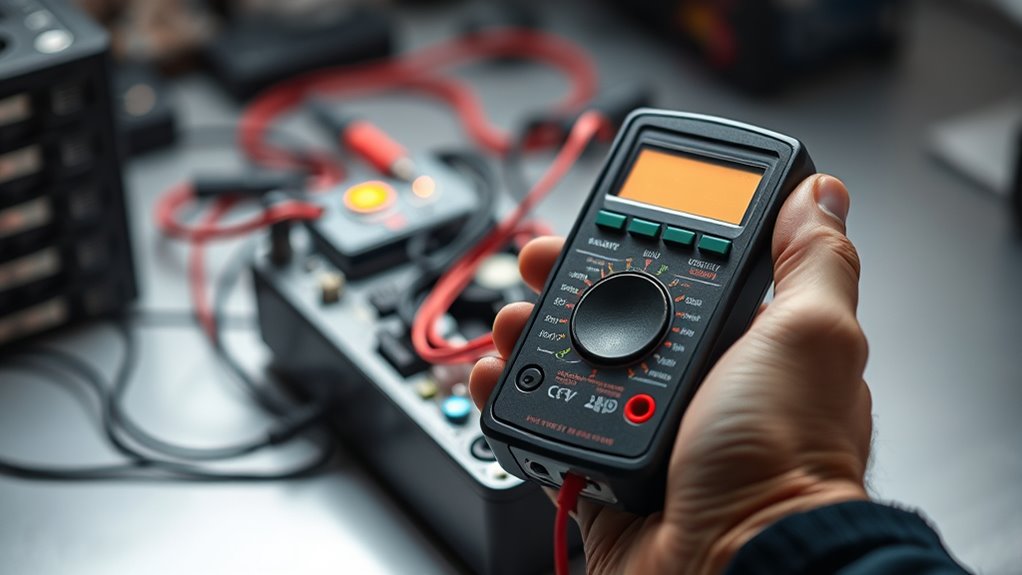
How long does battery reconditioning actually take? The answer varies depending on the type of battery you’re working with and its overall condition. Typically, the process can range from just a few hours to a full day. If your goal is to restore a battery’s capacity and extend its lifespan, understanding the time involved helps you plan accordingly. Reconditioning a battery isn’t an instant fix; it requires patience and a bit of technical know-how. The key is to allow enough time for the chemical reactions to occur, which can rejuvenate the battery’s ability to hold a charge. More importantly, the process influences the battery’s overall lifespan by improving its performance and reducing the number of charging cycles needed.
Battery reconditioning time varies from hours to a day, depending on the battery type and condition.
When you start reconditioning, you’ll notice that some batteries respond quickly, regaining a significant portion of their original capacity within a few hours. Others, especially those that have been deeply discharged or have suffered from long-term neglect, may require multiple cycles of reconditioning to see meaningful improvements. Each charging cycle—where you fully discharge and then recharge the battery—helps break down the buildup of sulfates and other deposits that impair performance. This process can take anywhere from 4 to 12 hours, depending on the battery size and the reconditioning method you choose. Smaller batteries, like those in smartphones or small gadgets, often need less time, while larger batteries in car or deep-cycle applications might need more.
The number of charging cycles necessary to restore a battery’s full capacity directly impacts the overall time. A single cycle might improve the battery’s health temporarily, but several cycles are often needed for a lasting effect. For example, a typical reconditioning process might involve 2-4 cycles spread over a day or two, allowing each cycle to stabilize and improve the battery’s performance. Keep in mind that each cycle is not just about recharging but also about monitoring the battery’s response, ensuring it doesn’t overheat or get damaged. Proper maintenance techniques can significantly reduce the time needed for effective reconditioning and extend the overall life of the battery. Patience is essential here because rushing through cycles can lead to subpar results or even damage.
Ultimately, how long reconditioning takes depends on the battery’s initial condition and how thoroughly you want to restore its performance. While the core process might be completed within a day, achieving ideal results often requires repeated cycles over several days. That way, you maximize the battery’s lifespan and reduce the frequency of replacement, saving you money and ensuring your devices or vehicles run smoothly longer.
Frequently Asked Questions
Does Battery Type Affect Reconditioning Duration?
Yes, battery chemistry affects reconditioning duration. Different types, like lead-acid, lithium-ion, or NiMH, require specific reconditioning techniques, which can vary in time. For example, lead-acid batteries often need a thorough equalization process, taking longer, while lithium-ion batteries may need fewer steps. Your familiarity with the particular battery chemistry helps you choose the right techniques and can speed up the reconditioning process.
Can Reconditioning Be Done on Multiple Batteries Simultaneously?
Yes, you can recondition multiple batteries simultaneously, but it depends on your setup. Make certain your battery storage system can handle the combined charging cycles without overloading. Use a charger with multiple ports or separate chargers for each battery to maintain proper reconditioning. Monitoring each battery’s voltage and temperature is essential to prevent damage. This approach speeds up the process and saves time while effectively restoring your batteries’ capacity.
Is There an Age Limit for Reconditioning Batteries?
You can recondition batteries regardless of age, but older ones with significant chemical composition changes may have limited lifespan recovery. For example, a 5-year-old lead-acid car battery might still regain usability, but beyond that, chemical degradation reduces chances of full restoration. Age isn’t a strict limit; instead, the battery’s chemical state determines if reconditioning will effectively extend its lifespan. Always assess the battery’s condition first.
How Does Temperature Influence Reconditioning Time?
Temperature impact notably influences reconditioning speed, as higher temperatures generally accelerate chemical reactions inside the battery, leading to faster results. Conversely, cold temperatures slow down these processes, extending reconditioning time. You should perform reconditioning in a controlled environment, ideally at room temperature, to guarantee ideal speed. Always avoid extreme heat or cold, since they can damage the battery and affect the effectiveness of the reconditioning process.
Are There Differences in Reconditioning Time for DIY vs. Professional Methods?
You’ll find that DIY battery reconditioning generally takes longer than professional methods because you rely on basic tools and need to prioritize DIY safety. Professionals use specialized equipment, which speeds up the process considerably. While DIY reconditioning might take several hours or even days, professional procedures are quicker due to advanced tools and experience. Your safety and proper technique are key, so don’t rush the DIY process.
Conclusion
In just a few hours, you can breathe new life into your batteries, saving money and reducing waste. Did you know that reconditioned batteries can last up to 70% longer than new ones? That’s a huge boost for your wallet and the environment. So, if you’re patient and follow the steps, reconditioning your batteries isn’t just quick—it’s a smart, eco-friendly choice that pays off in the long run.